Gulf markets, sovereign issuers, and regulatory developments across the region.
Market overview
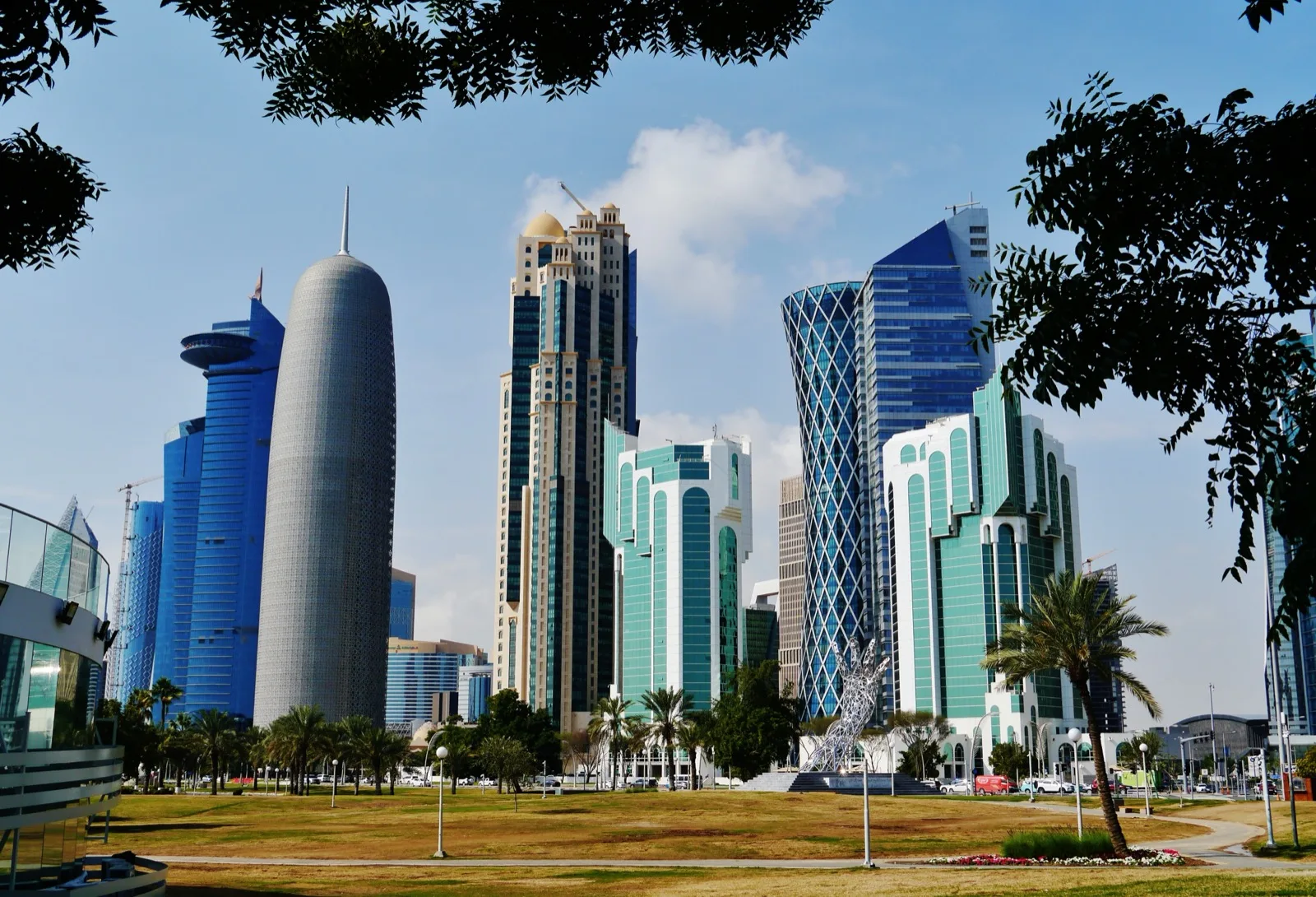
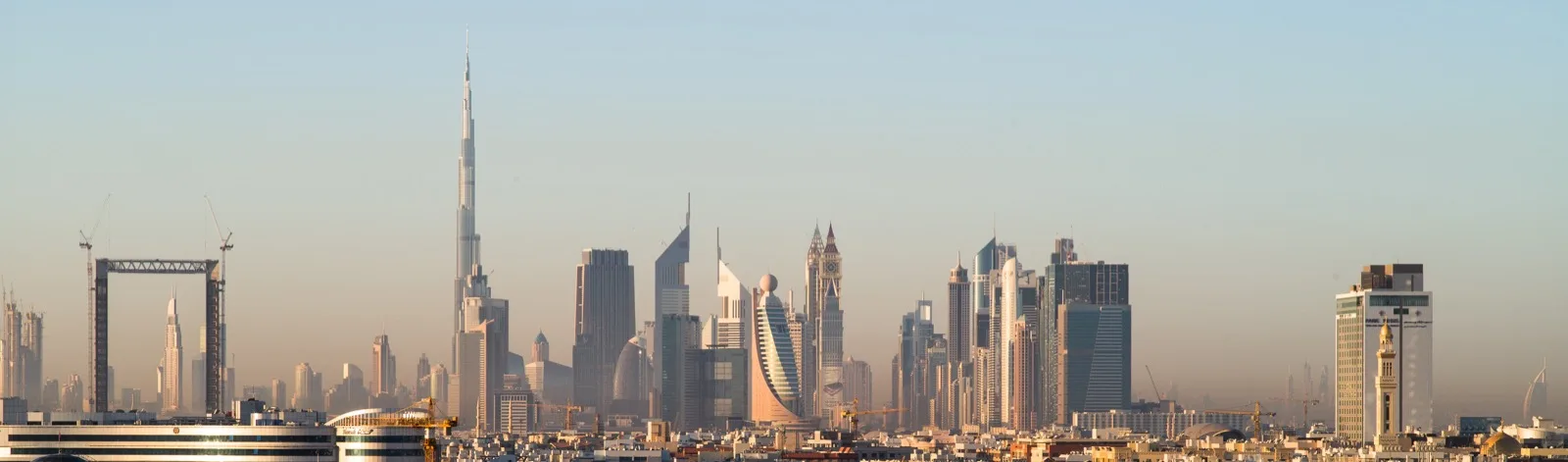
GSN covers four Middle East markets: Saudi Arabia, Qatar, the United Arab Emirates and Israel. Three of them are Gulf Cooperation Council members whose exchanges opened to foreign money only in the last decade, and the ownership rules that came with that opening still shape every story about them.
Read the full overview and sources
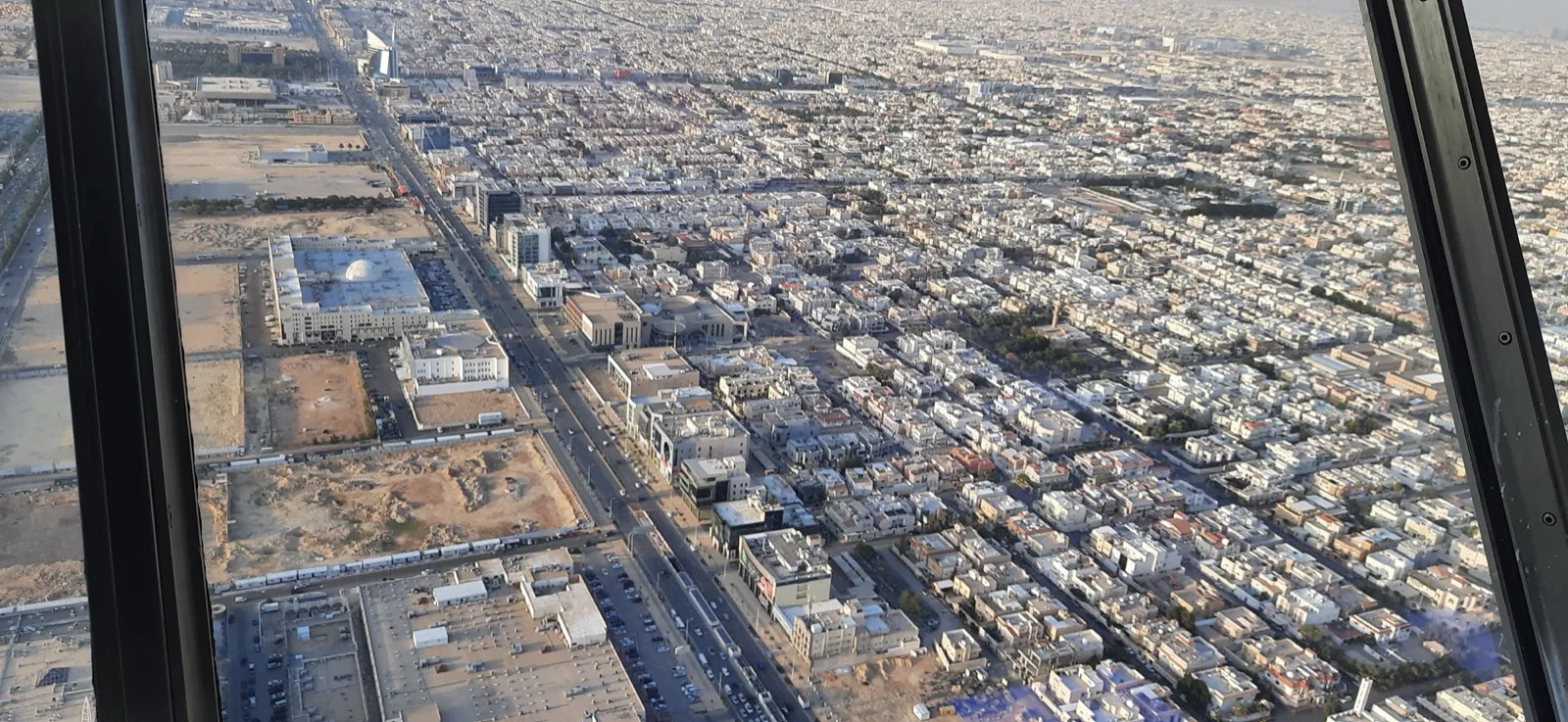
Saudi Arabia runs the largest of the Gulf markets. The Capital Market Authority regulates it and the exchange operates two boards: the Main Market, whose benchmark is the Tadawul All Share Index, and the parallel market, Nomu. In the CMA’s Quarterly Statistical Bulletin for the First quarter 2026, TASI stood at 11,249.54 points with a market capitalization of 9,858,847.45 million riyals across 269 listed companies, on a price earnings ratio of 16.87. Nomu held 125 listed companies and a market capitalization of 38,846.23 million riyals over the same quarter. The gap between the two boards is the point: Nomu is a qualified-investor market that feeds the main board rather than competing with it.
Foreign access is rule-bound rather than open. Under the CMA’s Rules for Foreign Investment in Securities, foreign natural and legal persons may invest in all listed securities, debt instruments and fund units, but a non-resident foreign investor other than a foreign strategic investor may not own 10% or more of the shares of a listed issuer, and all foreign investors other than strategic investors may hold no more than 49% of an issuer in aggregate. Companies’ own articles of association can restrict ownership further, and the exchange must publish the resulting ownership statistics.
Qatar’s market sits under a separate but comparable architecture. The Qatar Financial Markets Authority’s Offering and Listing, and Mergers and Acquisitions Rules 2025 divide the Qatar Stock Exchange into a main equity market and a second equity market and set the takeover trigger at different levels for each: a person crossing 75% of share capital on the main market, or 90% on the second market, must notify the Authority and make a compulsory offer for the remaining shares. The Authority may exempt a buyer whose acquisition is no more than 3% of capital if it sells down below 75% within 3 months.
In the United Arab Emirates the federal Capital Market Authority publishes the laws, regulations, circulars and procedures governing the securities markets, including a set of unified advisory rules for the GCC, one of the few genuinely cross-border rulebooks in the region. The World Bank’s Gulf Economic Update frames the shared macro backdrop: diversification away from oil is the central economic priority, non-oil sectors have proved resilient, and lower oil prices have increased fiscal pressures across the bloc, which is what keeps sovereign and quasi-sovereign issuance in the news.
Israel is the outlier. In the FTSE Equity Country Classification of Markets as at September 2023, Israel is classified Developed, alongside Japan and Canada, while Qatar, Saudi Arabia and the United Arab Emirates are Secondary Emerging. That single line explains much of the divergence in investor base, index weighting and disclosure expectations that GSN’s regional coverage runs into.
Sources
This overview is based on the official documents listed below, last checked 2026-09-03. Figures are as stated in those documents.
Gix Internet Ltd. (Nasdaq: GIXI) now has robots carrying blood and bone marrow at Sheba Medical Center. GSN asks whether that expanded project can serve as a reference site for the U.S. healthcare organizations the company is now approaching.
Al-Yamamah Steel's one-year contract to supply towers for a 380 kV line names the buyer and a February 2027 start. The notice gives no number of towers, no tonnage, no margin and no payment terms.
Dubai parking operator Parkin agreed an exploratory framework with Bahrain's Amakin covering platform integration, digital payments and mobility data analysis.
RedHill Biopharma (Nasdaq: RDHL) used an $18 million payout from selling its stake in one drug to buy the commercial rights to two others. The Ledger traces the cash flow and asks what the strategic reset buys.
Mosanada reported revenue of QAR 77.6 million and total comprehensive income of QAR 20.3 million for the first half of 2026, alongside two new contract awards and its Old Doha Port mandate.
The Dubai based social networking and gaming company posted Q2 2026 net income of US$29.3 million and guided to Q3 revenue of US$78.0 million to US$85.0 million.
Up to about $35 million in US Department of Energy funding is small next to Ormat's size, but it backs a harder kind of geothermal that could widen where the company can build. Nothing is final until award negotiations close.
Saudi Public Transport Company signed a five year school transport contract in Jubail Industrial City with the Royal Commission for Jubail and Yanbu worth SAR 470,202,973.65 including VAT.
The Dubai contractor posted first half revenue of AED 8,990 million and net profit of AED 214 million, with backlog of AED 32.5 billion at 30 June 2026.
ACWA Power signed three Storage Services Agreements with the Saudi Power Procurement Company for 500 MW battery plants at Haden, Muwayh and AlKahfah, each with 2,000 MWh of capacity on 15-year terms.
Baladna's adjourned extraordinary general meeting on 22 July 2026 approved a rights issue of one new ordinary share for every four held, the first cash equity raise since listing.
Emirates Integrated Telecommunications said its Public Telecommunications Licence runs from 9 August 2026 to 8 August 2046 with material terms unchanged.
Gilat Satellite Networks, a provider of satellite-based broadband communications, has signed a $14 million agreement to deploy fiber-optic infrastructure across southern Peru.
The Dubai listed broker says it is the first UAE financial institution to join the Kazakh exchange as a market maker through the ADX operated Tabadul platform.
ADES Holding reported first-half 2026 revenue of SAR 4,544.1 million, up 49.0% year over year, with net profit down 3.7% and an interim dividend of SAR 220.9 million recommended.
The UAE logistics group reported Q2 2026 revenue of AED 1.83 billion, up 22% year on year, with net profit of AED 47 million and first half revenue of AED 3.43 billion.
Ceragon Networks reported second quarter revenue of $93.9 million on August 11, 2026, up 14.2% year over year, and lowered its non-GAAP margin guidance for 2026.
Al Moammar Information Systems reported first-half 2026 revenue of SAR 910,083,628 against SAR 709,832,204, with net income down to SAR 55,653,050 and borrowings up to SAR 1,220,047,535.
MIND C.T.I. disclosed Nasdaq letters on the minimum bid price and audit committee rules on August 6, 2026, alongside second quarter revenue of $4.6 million.
Savola Group reported six-month revenues of 13,587,592 thousand Saudi riyals and profit for the period of 452,081 thousand, in statements authorised for issue on August 5, 2026.
Nano-X Imaging priced an at-the-market registered direct offering of 8,000,000 ordinary shares and warrants, expecting gross proceeds of about $8 million.
East Pipes Integrated Company for Industry reported quarterly sales of SAR 520,665,521 and net profit of SAR 122,917,040, both higher than a year earlier, in a disclosure dated 21 July 2026.
Kamada said on July 20, 2026 that a new three-year plasma supply agreement is expected to generate about $50 million in revenue, with first sales in the fourth quarter.
Nanox.AI, the AI subsidiary of Nano-X Imaging, presented new clinical study data on incidental coronary artery calcium detection at the SCCT 2026 annual meeting.
Weeks before financial results are published, trading by a narrow circle inside a listed company stops. An educational explainer on the insider register, the closed period and post-trade disclosure in Qatar's market.
Companies listed on Tadawul do not apply IFRS exactly as issued globally, but a locally endorsed version. How endorsement works, what is added such as zakat, and who verifies the figures.
An educational explainer on periodic financial disclosure in Qatar: the quarterly and annual reporting calendar, the difference between a limited review and a full audit, and the order in which the figures reach the market.
After an IPO closes, the stakes of the substantial shareholders named in the prospectus stay untradable for at least six months. What Article 72 says, how the restriction follows beneficial ownership and bonus shares, and what it does not restrict.
An educational explainer on the dual listing structure of the Qatar Stock Exchange: what distinguishes admission requirements on the Venture Market from the Main Market, and how the transfer mechanism between them is organised.
An educational explainer on Saudi public investment funds: separation of manager and custodian, the fund board's role, and how net asset value and forward pricing work.
How Qatar Stock Exchange indices are built: eligibility rules and buffer zones, free float adjusted weighting, single constituent weight caps, and the divisor that keeps the series continuous.
An educational explainer on how riyal government sukuk are issued through the National Debt Management Center's auction calendar and its primary dealers, and how that builds the benchmark for pricing corporate debt.
An educational explainer on how an independent representative is appointed for holders of listed bonds and sukuk in Qatar, and how a covenant breach shifts from an individual claim to a collective decision taken by contractual majority.
An explanation of the control threshold in Saudi Arabia's Merger and Acquisition Regulations, and how crossing it forces a buyer to make a mandatory offer for every shareholder's shares on the same terms.
An educational look at the regulatory mechanism that requires anyone crossing a set percentage of voting rights in a Qatar Stock Exchange listed company to offer to buy out the remaining shareholders, and at how that offer is carried out.
An educational explainer on how reopening existing domestic sukuk tranches works under the program managed by Saudi Arabia's National Debt Management Center, and how it builds a riyal benchmark yield curve.
An educational look at sovereign reopening (tap) issuance: why amounts are added to an existing line with the same coupon, how the clean price is set, and why buyers pay accrued interest at settlement.
An educational explainer on how rights issues work on Saudi Arabia's Tadawul market, from the deposit and separate-symbol trading of rights to the rump offering and the distribution of its surplus to holders who did not subscribe.
The record date, the ex-date and the T+2 settlement cycle together decide who receives a cash dividend on the Qatar Stock Exchange, while the reference price is adjusted automatically on the ex-date.
An educational look at the closing auction on the Saudi Exchange: the phases of a trading session, the ranked criteria that pick a single price, and why indices and fund valuations rest on it.
An educational look at the investor protection path in Saudi Arabia, from the mandatory complaint to the Capital Market Authority to a claim before the securities disputes committee and its appeal stage.
An educational explainer on Qatar's direct custody model, from the central depository investor number to client money segregation, broker licensing conditions and the complaints route.
An educational explainer on the pre-opening session and opening auction at the Qatar Stock Exchange, and how the trading system selects a single price that maximizes executable volume before continuous trading begins.
Saudi Arabia's mandatory disclosure regime sets precise deadlines for publishing financial statements and material events. Here is how it works and why it matters to every investor.
Why Qatari rules contain no standalone profit warning regime, and how the duty to disclose material non-public information handles an expected shortfall in results, with its deadlines and the conditions for delaying it.
An explanation of the mandatory accumulated-losses disclosure mechanism in the Saudi market, and how a listed company's obligations escalate at 20%, 35% and 50% of paid-up capital.
Israeli companies listed in both Tel Aviv and the United States answer to two securities regulators at once. Here is the structural machinery that lets them reconcile currencies, accounting rules and filing deadlines without duplicating their disclosure work.
An explainer on how trades on the Saudi stock market (Tadawul) are cleared and settled, and on the roles of the Securities Clearing Center (Muqassa) and the Securities Depository Center (Edaa) in the standard two-business-day (T+2) settlement cycle.
How the yield on Qatari treasury bills and bonds is set in an auction open only to local banks, and why the number can still be re-derived from the published discount formula and secondary market prices.
A look at how the Tel Aviv Stock Exchange calculates free-float weighted indices like the TA-35 and TA-125, and why scheduled rebalancing dates trigger mechanical trading from passive funds regardless of company fundamentals.
Three layers govern the foreign ownership limit on UAE-listed companies: the Commercial Companies Law, the order check inside the trading system, and index providers' foreign headroom formula.
The Rules for Foreign Investment in Securities, as amended on 05/01/2026, let foreign persons invest in all listed securities, subject to a 10% ceiling for a non-resident investor and 49% for foreign investors in aggregate. How the ceilings, the exemptions and their enforcement work.
Two neighboring firms in Doha can answer to entirely different regulators and legal systems. Here is how the line is drawn between the Qatar Financial Markets Authority and the QFC Regulatory Authority.
A single base prospectus filed with the Israel Securities Authority can let a company raise capital multiple times over two years using only short shelf reports. Here is how the mechanism actually works.
When a company lists new shares on the Qatar Stock Exchange, the pricing and allocation method determines how many shares each subscriber actually receives. This explainer breaks down fixed price versus book building, and how shares are allocated when an offering is oversubscribed.
A look at how Israel's CPI-linked "Galil" bonds index both principal and coupons to inflation, and how that differs structurally from fixed-rate "Shahar" bonds.
An explainer on the structural differences between Saudi Arabia's Main Market and the Nomu parallel market, from listing rules and free float requirements to why Nomu shares are restricted to qualified investors.
An explainer on how the Qatar Stock Exchange tracks the foreign ownership ceiling for each listed stock, and what actually happens to foreign buy orders once that ceiling is reached.
Under Israeli law, some deals involving a controlling shareholder must pass a separate vote of non-controlling investors alone, a safeguard structured differently from ordinary board or shareholder approval.
An explainer on how Islamic sukuk issued by UAE entities work, granting certificate holders ownership stakes in assets like real estate that generate periodic lease income instead of conventional interest.
How rights offerings work in companies listed on the Qatar Stock Exchange, from board approval to new share listing, without reference to any specific company or event.
A bond can carry a solid local credit rating and still sit untraded for days at a time. Here is how Tel Aviv's corporate bond market actually assigns ratings and sets prices.
Before any new disclosure rule becomes binding law, it typically passes through a lengthy review process that includes public consultation, impact assessment, and sometimes substantial amendments, explaining why regulatory changes can take months or even years.
In a Dutch auction IPO, investors, not bankers, effectively set the offering price by submitting bids that are later matched into a single clearing price for everyone.
Why can you still buy or sell a stock instantly, even during quiet periods? An explanation of the market-making mechanism and its role in providing liquidity on the Saudi Stock Exchange.
Days before public subscription opens, a large block of shares is locked in for specific investors. Here's how the anchor investor mechanism actually works across global markets.
A simple explanation of how the TASI index is constructed in the Saudi market, and how weighting by free-float market cap determines each company's impact on the index's overall movement.
A controlling shareholder can force out the minority entirely, but only after clearing a specific legal gate: how Israel's full tender offer regime and its squeeze-out threshold actually work.
Israeli law requires a company listing in Tel Aviv to have one class of voting shares. The exception, and the dual-listing route around it, decides where founders with weighted voting end up.
A practical explanation of how UAE markets price initial public offerings, from determining the initial price band to allocating shares among institutional and retail investors.
 lobal Securities News