 lobal Securities News
TAM amends RCRC project contract to SAR 12.51M
TAM adjusts the value of its contract with the Royal Commission for Riyadh City to SAR 12.51 million.
Latest equities, bonds, and regulatory news from Saudi Arabia, updated daily.
Saudi Arabia’s equity market is run by the Saudi Exchange, the trading arm of Saudi Tadawul Group, and supervised by the Capital Market Authority. The CMA Law establishes the Authority as the body that reports directly to the President of the Council of Ministers and gives it the mandate to regulate and develop the Exchange, to regulate the issuance of securities, and to protect investors from manipulation and unfair practices. Post-trade functions sit with Edaa, the securities depository centre owned by Saudi Tadawul Group, which handles deposit, transfer, settlement and registration of ownership. The headline benchmark is the Tadawul All Share Index, usually written as TASI; the parallel market has its own gauge, the Nomu Parallel Market Capped Index.
Listings are split between two boards. The Main Market carries the large regulated issuers and the Nomu Parallel Market carries smaller companies under lighter admission requirements. At the end of the first quarter of 2026 the CMA counted 269 companies listed on the Main Market with a combined market capitalisation of SAR 9,858,847.45 million, of which SAR 3,286,715.00 million was free float, and a market price earnings ratio of 16.87. TASI closed the quarter at 11,249.54 points. Nomu held 125 listed companies worth SAR 38,846.23 million, with its capped index at 22,705.28 points. Value traded on the Main Market over the quarter was SAR 291,072.12 million.
Trading runs Sunday to Thursday, excluding Saudi public holidays. The Exchange’s Trading and Membership Procedures set an opening auction from 09:30 to 10:00, continuous trading from 10:00 to 15:00, a closing auction for listed securities other than debt instruments and exchange traded funds from 15:00 to 15:10, and a Trade at Last session from 15:10 to 15:20. Trades in all types of securities settle two business days after execution, the T+2 cycle Edaa operates. Prices and settlement are in Saudi riyals.
Foreign access is defined by the CMA’s Rules for Foreign Investment in Securities. A non-resident foreign investor, other than a foreign strategic investor, may not hold 10% or more of the shares or convertible debt instruments of any listed issuer, and foreign investors in aggregate are capped at 49% of an issuer. The Exchange publishes the resulting ownership data as the Authority directs.
Sovereign issuance is the other half of the market. The National Debt Management Center reported outstanding central government debt of SAR 1,519 billion at end-2025, equal to 33% of GDP, with 87% in fixed-rate instruments, a 62% domestic to 38% international funding mix and an average time to maturity of 9.0 years. Its 2026 plan cites a budget deficit of SAR 165 billion and maturities of SAR 52 billion, for gross financing needs of SAR 217 billion, against nominal GDP projected at SAR 4,965 billion. Domestic riyal sukuk are issued on a published monthly calendar.
Banks, energy, materials and telecommunications dominate the Main Market by revenue and profit, alongside a growing set of REITs and exchange traded funds; Nomu is where smaller industrial and consumer names list first. The exchange operator itself is listed: Saudi Tadawul Group reported operating revenue of SAR 617.1 million in the first half of 2026, down 4.6% year on year on softer trading activity. GSN covers Saudi listings, results announcements, CMA rulemaking and NDMC sukuk auctions from these primary documents.
Sources
This overview is based on the official documents listed below, last checked 2026-09-03. Figures are as stated in those documents.
Al-Yamamah Steel's one-year contract to supply towers for a 380 kV line names the buyer and a February 2027 start. The notice gives no number of towers, no tonnage, no margin and no payment terms.
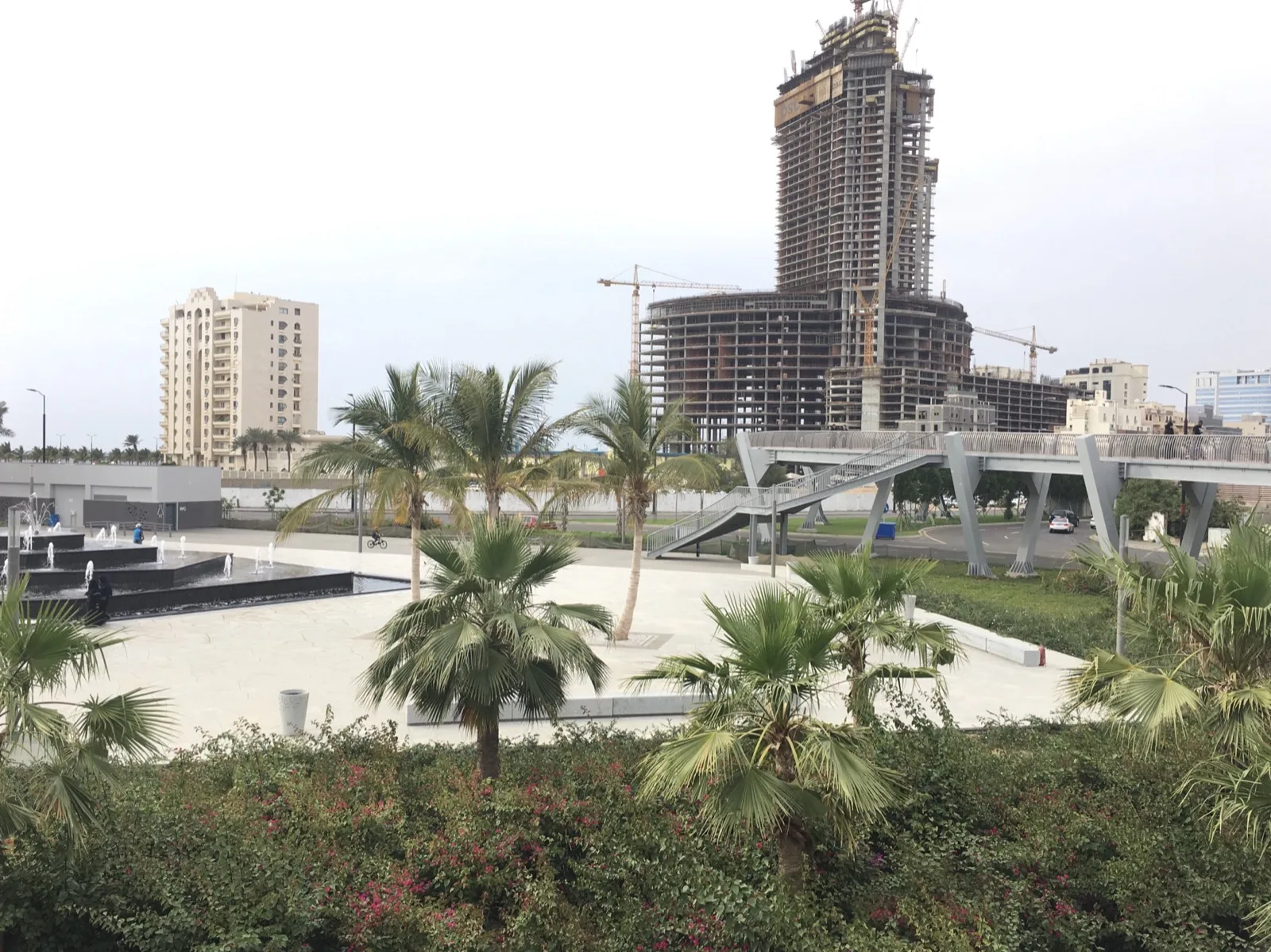
TAM adjusts the value of its contract with the Royal Commission for Riyadh City to SAR 12.51 million.
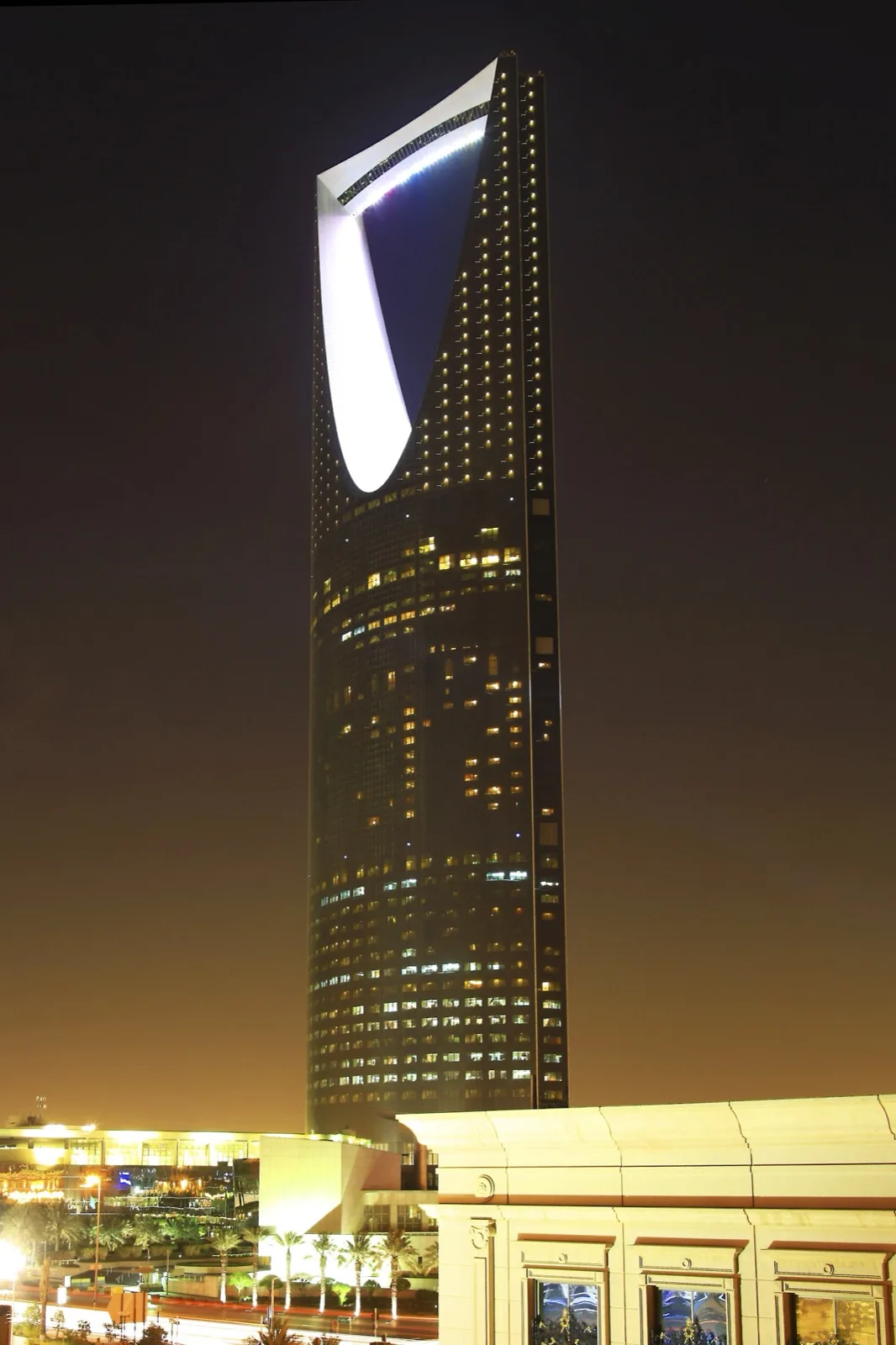
Saudi Public Transport Company signed a five year school transport contract in Jubail Industrial City with the Royal Commission for Jubail and Yanbu worth SAR 470,202,973.65 including VAT.
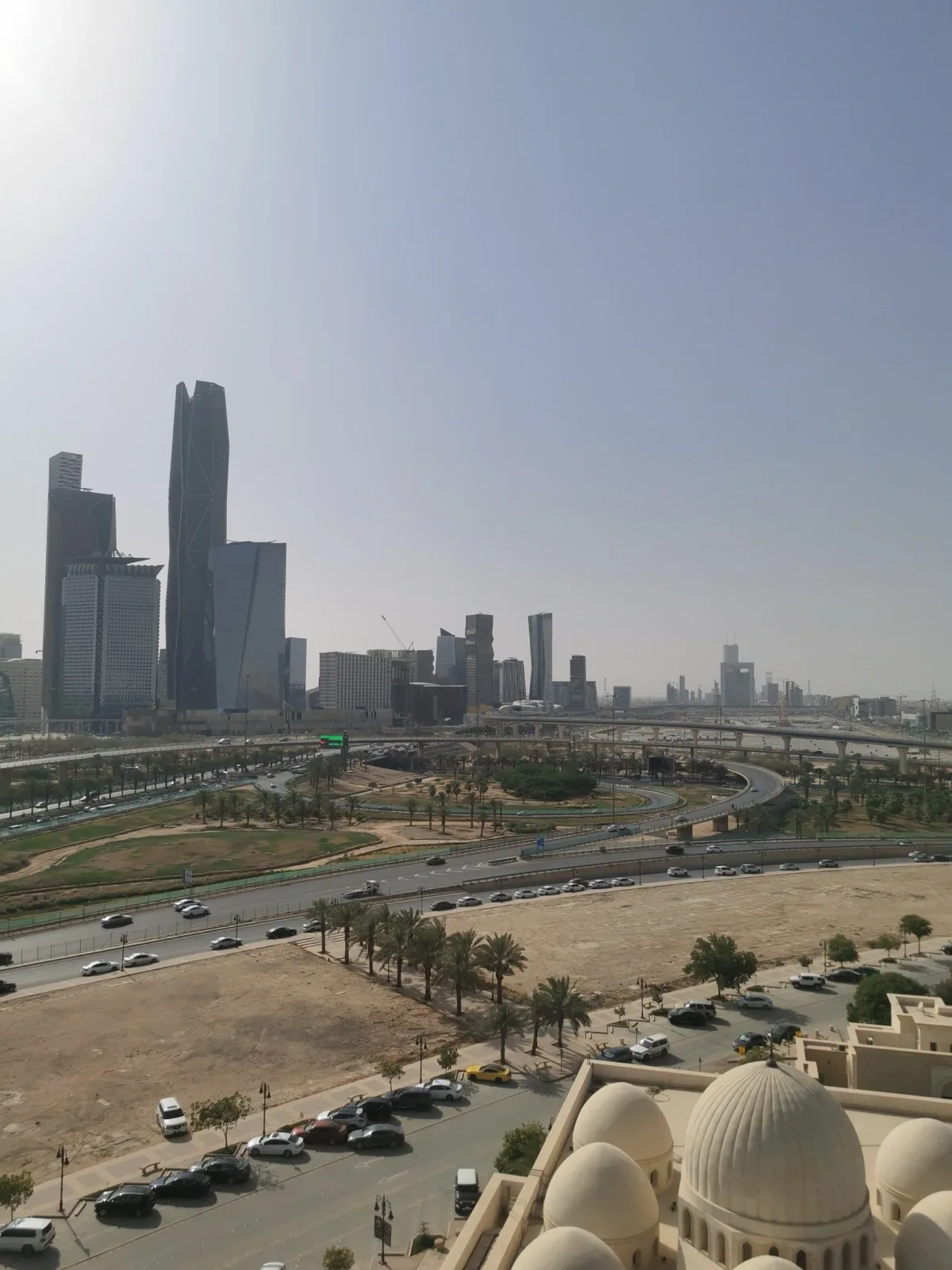
ACWA Power signed three Storage Services Agreements with the Saudi Power Procurement Company for 500 MW battery plants at Haden, Muwayh and AlKahfah, each with 2,000 MWh of capacity on 15-year terms.
Saudi regulator CMA approved Arabian Centres Company's capital increase from SAR 4,750,000,000 to SAR 5,176,587,620 through a bonus share issue.
ADES Holding reported first-half 2026 revenue of SAR 4,544.1 million, up 49.0% year over year, with net profit down 3.7% and an interim dividend of SAR 220.9 million recommended.

Al Moammar Information Systems reported first-half 2026 revenue of SAR 910,083,628 against SAR 709,832,204, with net income down to SAR 55,653,050 and borrowings up to SAR 1,220,047,535.
Savola Group reported six-month revenues of 13,587,592 thousand Saudi riyals and profit for the period of 452,081 thousand, in statements authorised for issue on August 5, 2026.
East Pipes Integrated Company for Industry reported quarterly sales of SAR 520,665,521 and net profit of SAR 122,917,040, both higher than a year earlier, in a disclosure dated 21 July 2026.
Companies listed on Tadawul do not apply IFRS exactly as issued globally, but a locally endorsed version. How endorsement works, what is added such as zakat, and who verifies the figures.
After an IPO closes, the stakes of the substantial shareholders named in the prospectus stay untradable for at least six months. What Article 72 says, how the restriction follows beneficial ownership and bonus shares, and what it does not restrict.
An educational explainer on Saudi public investment funds: separation of manager and custodian, the fund board's role, and how net asset value and forward pricing work.
An educational explainer on how riyal government sukuk are issued through the National Debt Management Center's auction calendar and its primary dealers, and how that builds the benchmark for pricing corporate debt.
An explanation of the control threshold in Saudi Arabia's Merger and Acquisition Regulations, and how crossing it forces a buyer to make a mandatory offer for every shareholder's shares on the same terms.
An educational explainer on how reopening existing domestic sukuk tranches works under the program managed by Saudi Arabia's National Debt Management Center, and how it builds a riyal benchmark yield curve.
An educational explainer on how rights issues work on Saudi Arabia's Tadawul market, from the deposit and separate-symbol trading of rights to the rump offering and the distribution of its surplus to holders who did not subscribe.
An educational look at the closing auction on the Saudi Exchange: the phases of a trading session, the ranked criteria that pick a single price, and why indices and fund valuations rest on it.
An educational look at the investor protection path in Saudi Arabia, from the mandatory complaint to the Capital Market Authority to a claim before the securities disputes committee and its appeal stage.
Saudi Arabia's mandatory disclosure regime sets precise deadlines for publishing financial statements and material events. Here is how it works and why it matters to every investor.
An explanation of the mandatory accumulated-losses disclosure mechanism in the Saudi market, and how a listed company's obligations escalate at 20%, 35% and 50% of paid-up capital.
An explainer on how trades on the Saudi stock market (Tadawul) are cleared and settled, and on the roles of the Securities Clearing Center (Muqassa) and the Securities Depository Center (Edaa) in the standard two-business-day (T+2) settlement cycle.
The Rules for Foreign Investment in Securities, as amended on 05/01/2026, let foreign persons invest in all listed securities, subject to a 10% ceiling for a non-resident investor and 49% for foreign investors in aggregate. How the ceilings, the exemptions and their enforcement work.
An explainer on the structural differences between Saudi Arabia's Main Market and the Nomu parallel market, from listing rules and free float requirements to why Nomu shares are restricted to qualified investors.
Before a new stock reaches the trading screen, its prospectus undergoes months of rigorous regulatory review. Here's how the process works.

Why can you still buy or sell a stock instantly, even during quiet periods? An explanation of the market-making mechanism and its role in providing liquidity on the Saudi Stock Exchange.
A simple explanation of how the TASI index is constructed in the Saudi market, and how weighting by free-float market cap determines each company's impact on the index's overall movement.