DFM’s Main Market splits issuers into two categories rather than two boards. To sit in Category One a company must have fully paid-up share capital, at least 100 shareholders, free float shares of not less than 20% of share capital, and net shareholders’ equity of not less than 100% of paid-up capital. The market can waive the float test where share capital is at least AED 500 million and it judges the tradable share count sufficient. Government-owned public joint stock companies whose shares are offered for public subscription list in Category One. Anything that misses a Category One condition lists in Category Two, and a listed company drops there automatically if trading is suspended for six months or more or accumulated losses reach fifty percent of capital.
Foreign and free zone issuers face separate tests. A foreign company must be the equivalent of a public joint stock company, have paid-up capital of not less than AED 40 million, be listed on a foreign market, have had at least 25% of its shares previously offered to the public, or 15% where market capitalisation exceeds AED 5 billion, and have generated net profits in each of the two financial years before applying. A free zone company needs paid-up capital of not less than AED 20 million. Debt securities and sukuk can be listed where the aggregate value is at least AED 10 million.
The headline index is the DFM General Index, launched on 4th December, 2006 with a base date of 31 December 2003. It is free float weighted, follows the S&P Dow Jones Indices capping method with any constituent above 10% capped at 10%, and admits new listings after 20 Business Days of trading, or after the close of the fifth day where an IPO with free float market capitalisation of at least AED 5 billion is fast tracked. A parallel DFM Sharia Index, launched on the 2nd of October 2019 with a base date of 31st December 2009, screens constituents against the DFM Sharia Standard. Sector indices use the Global Industry Classification Standard and start from a base level of 1000.
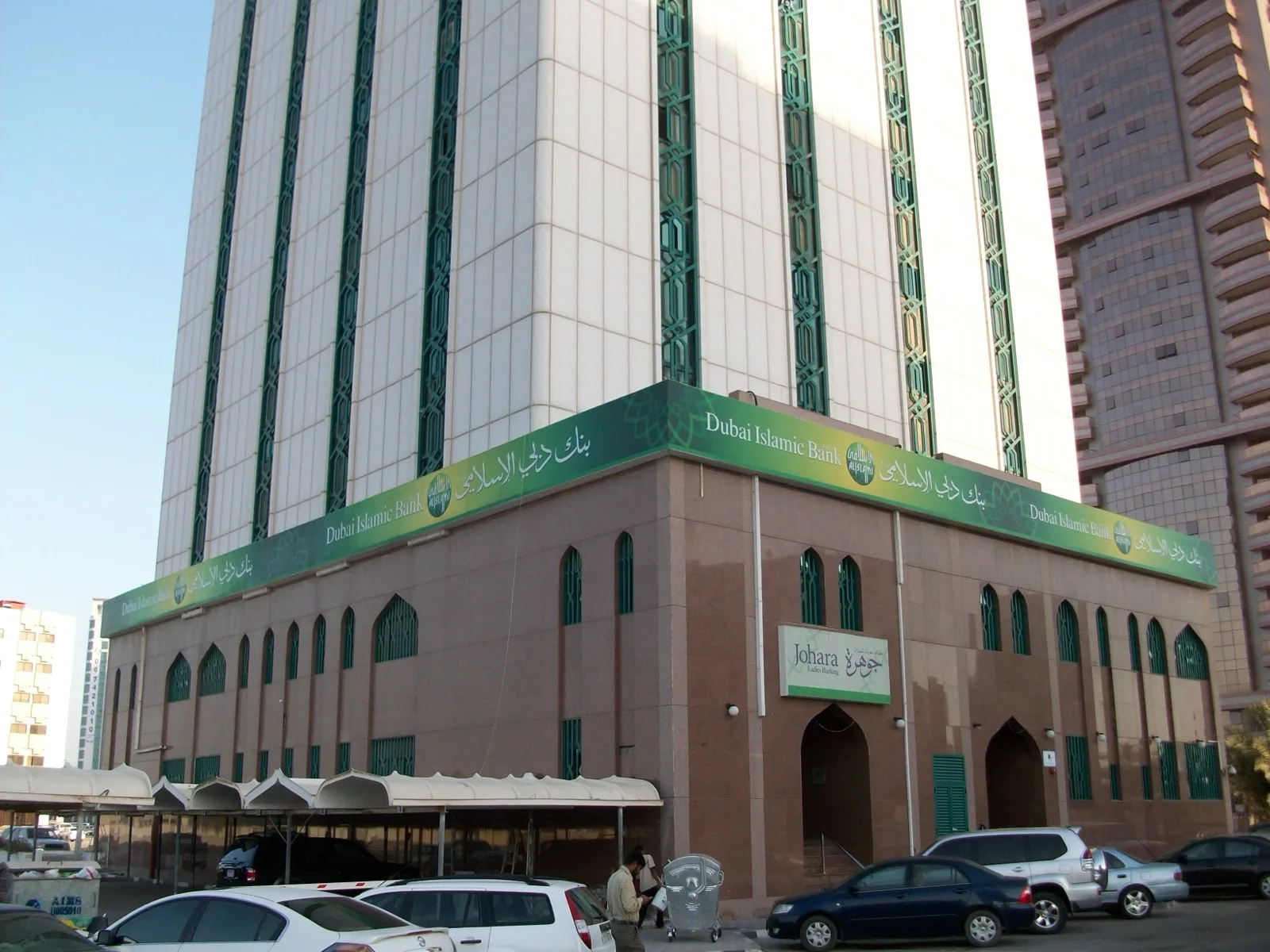
Concentration is the defining feature. As on 22nd of June 2026 the DFMGI held 41 constituents, with Dubai Islamic Bank, Emaar Properties and Emirates NBD each at the 10.00% cap, DEWA at 8.60% and du at 8.03%. Banks, real estate developers, utilities and telecoms therefore set the index. GSN covers DFM and Nasdaq Dubai listings and disclosures, sukuk and bond issuance, and Authority rulemaking.
 lobal Securities News