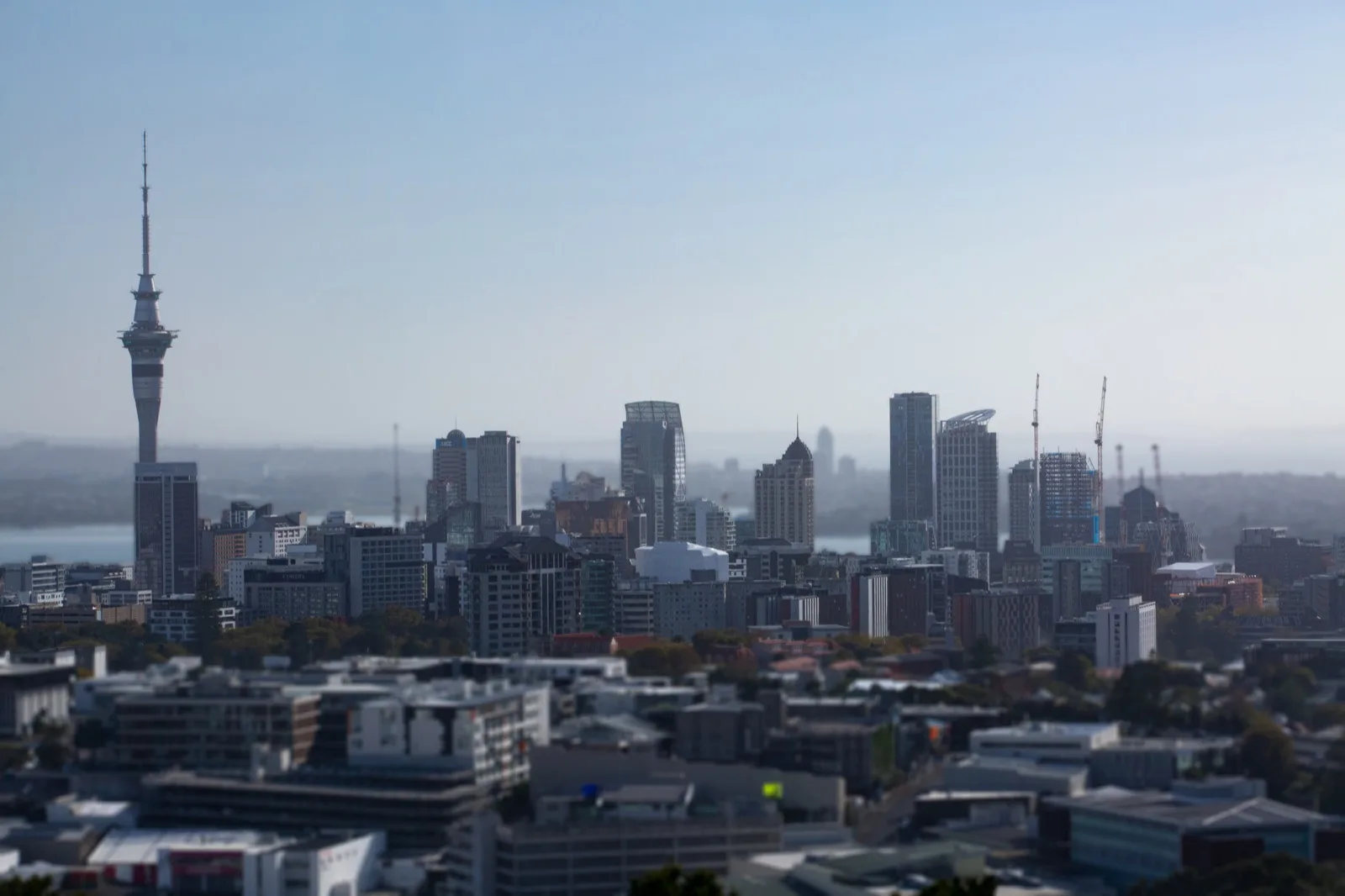
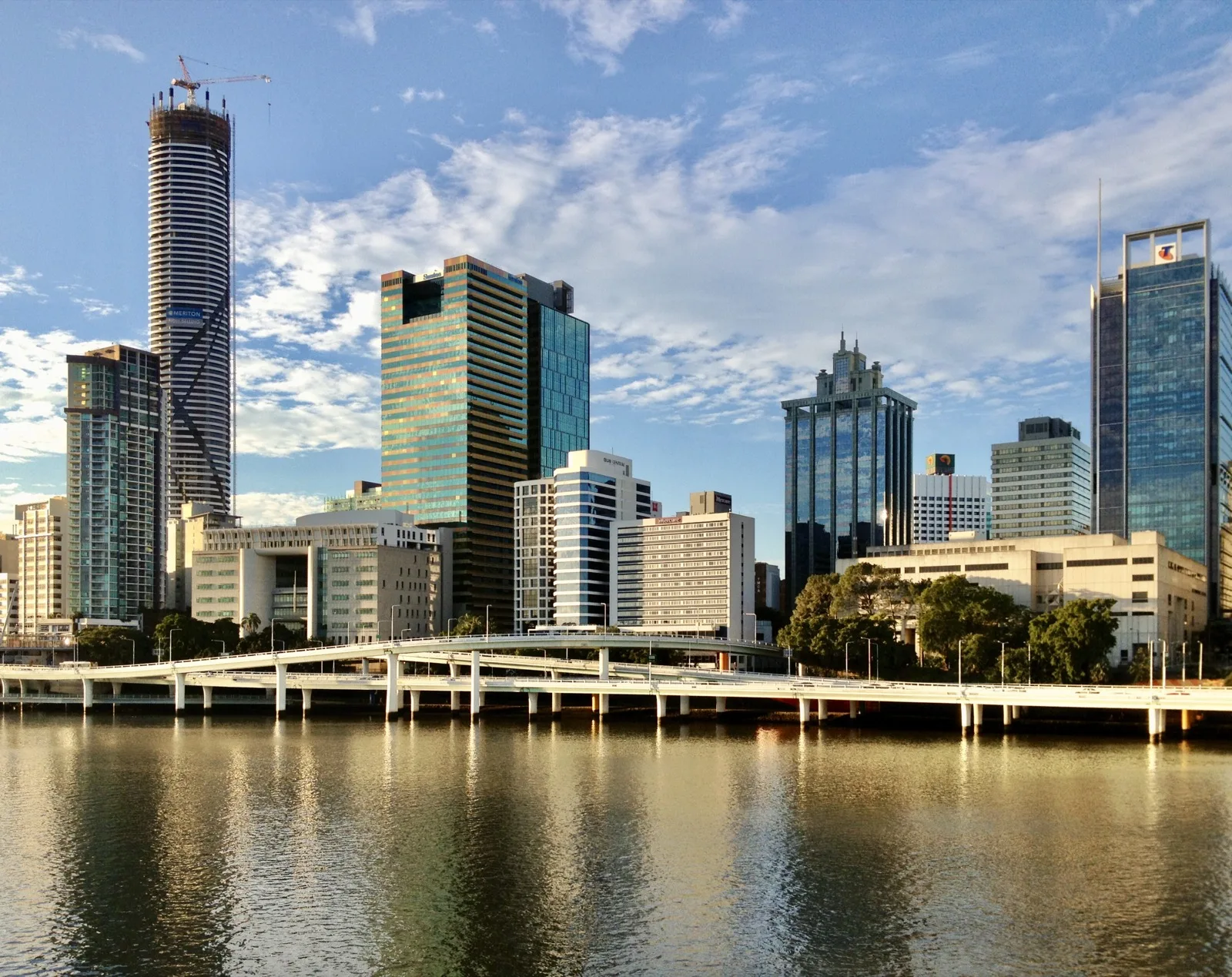
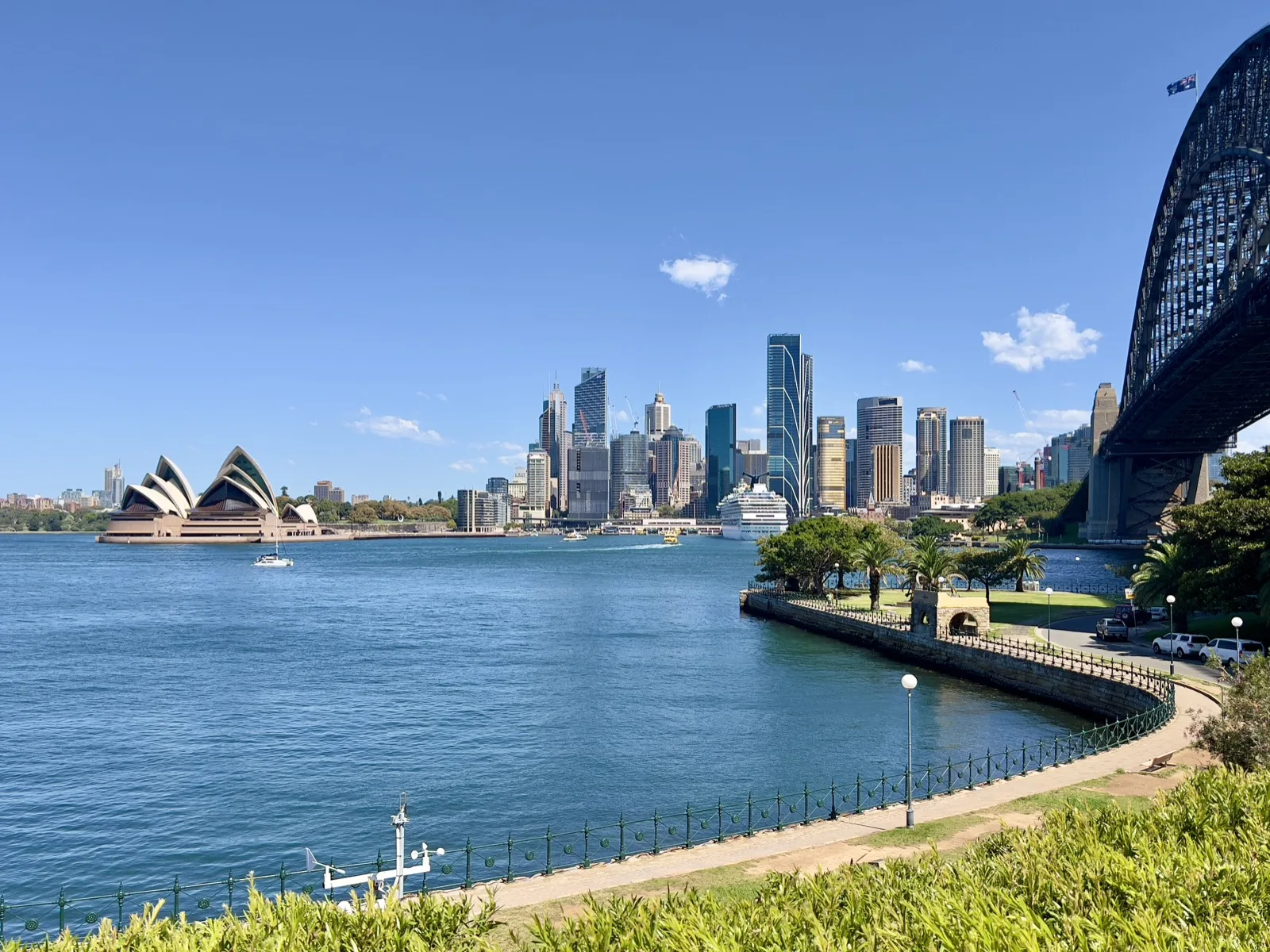
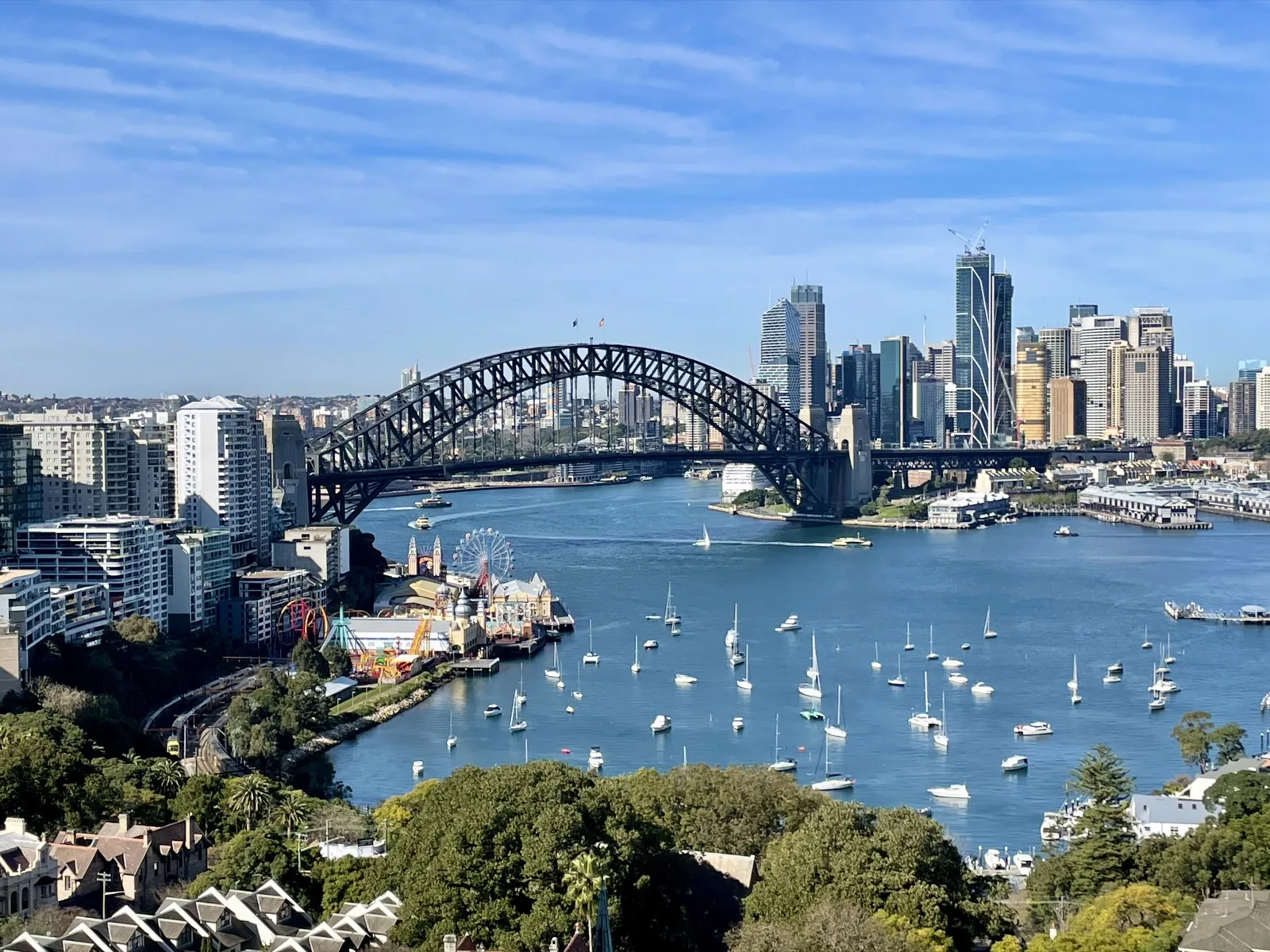
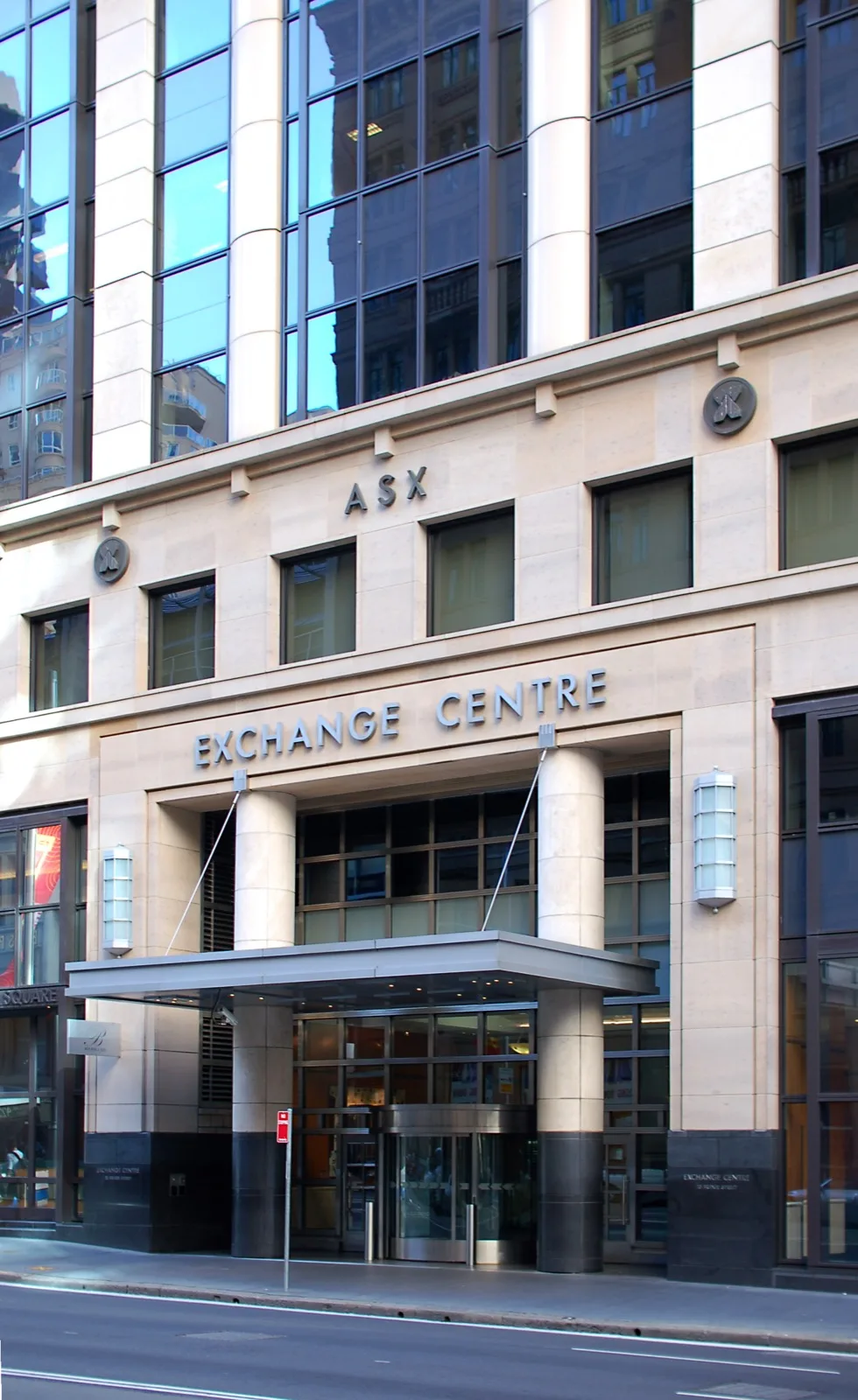
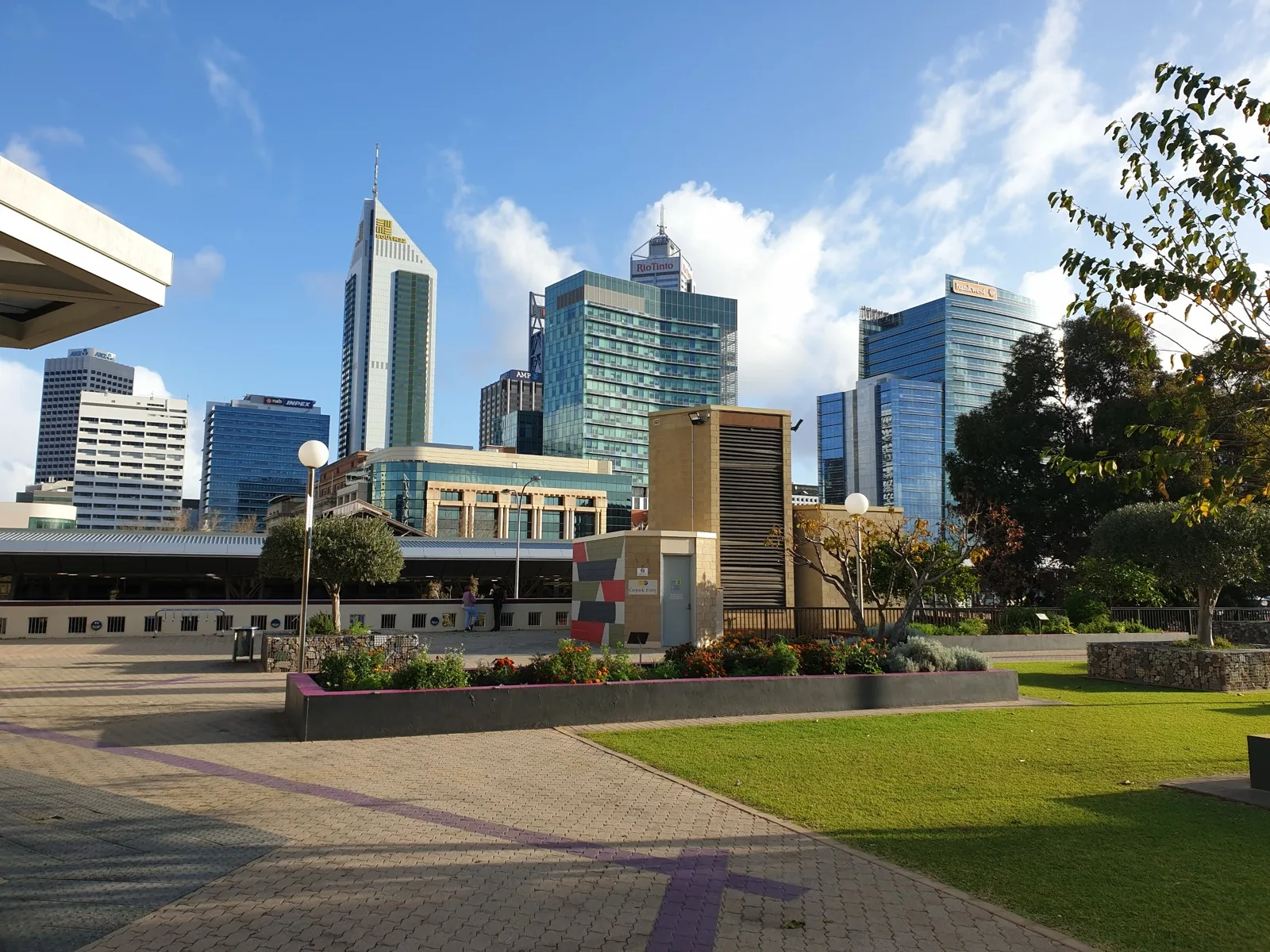
Australian equities trade on the Australian Securities Exchange, whose admission and continuing obligations sit in the ASX Listing Rules. The conduct regulator behind them is the Australian Securities and Investments Commission, an independent government body set up under the ASIC Act 2001 and charged with maintaining and improving the performance of the financial system, promoting confident and informed participation by investors, and administering the law effectively. ASX sets the entry tests.
An applicant for a standard listing needs at least 300 non-affiliated security holders, an issue price of at least 20 cents in cash, and either the profit test, which requires the same main business activity across the last 3 full financial years and audited accounts for those years, or the assets test, which requires net tangible assets of at least $4 million after fund-raising costs or a market capitalisation of at least $15 million. Once listed, an entity must immediately tell ASX any information a reasonable person would expect to have a material effect on price, the continuous disclosure obligation in Listing Rule 3.1 that drives most of the announcements GSN reports.
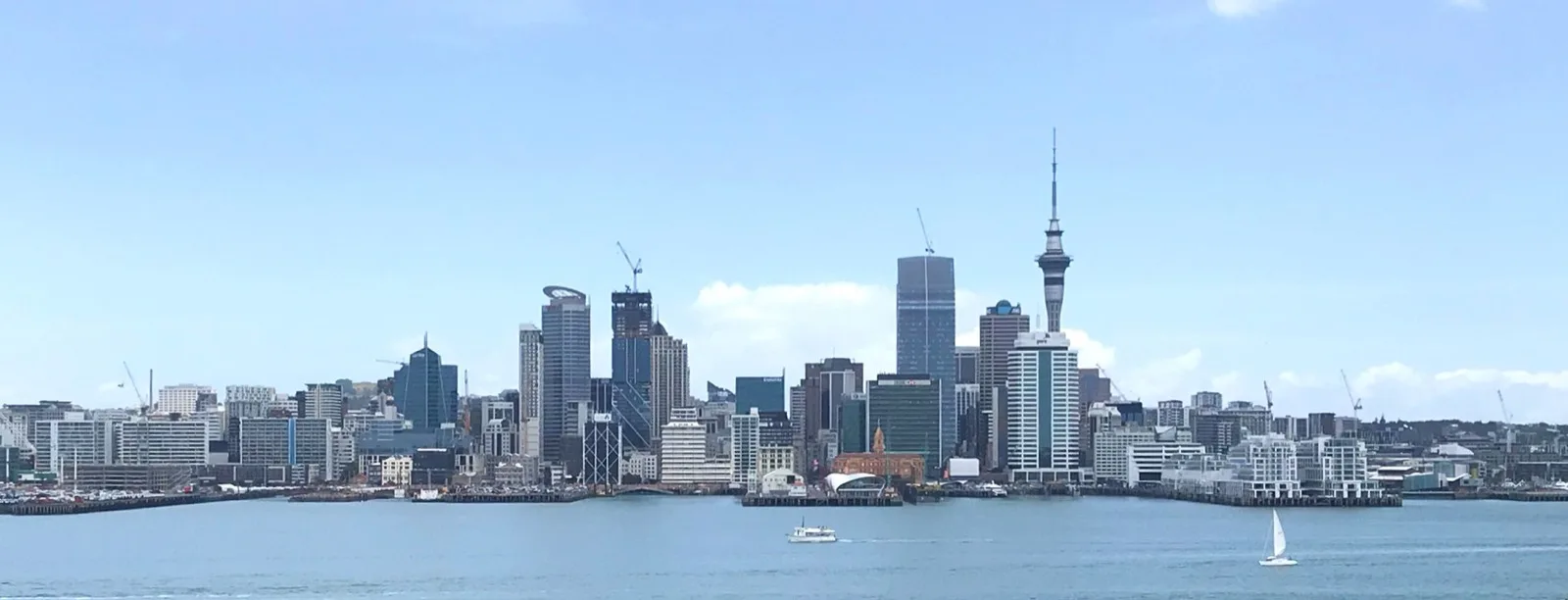
New Zealand’s exchange, NZX, runs a smaller and more concentrated market. Its main board, the NZSX, carried an instrument count of 178 and a market capitalisation of $191,105,396,807.88 when its live market page was read on Thu 3rd Sep. NZX also operates a separate listed debt market, the NZDX, which is where retail and wholesale bonds from New Zealand and Asia-Pacific corporate and government issuers trade. That market showed 143 instruments and an amount outstanding of $54,302,163,433.00 on the same day. The split matters for readers: an NZX story is as likely to be about a bond quotation as about an equity placement.
The trans-Tasman link is written into the ASX rules themselves. A qualifying NZ entity applying for an ASX Foreign Exempt Listing may satisfy the ordinary profit or assets test, with two of the cash-backing requirements switched off, while any other foreign applicant faces far higher bars: operating profit before income tax of at least $200 million in each of the last 3 full financial years, or net tangible assets or market capitalisation of at least $2,000 million. A foreign company must also be registered as a foreign company carrying on business in Australia under the Corporations Act. Foreign exempt listings then comply with a short list of rules rather than the full book, on the reasoning that their home market already regulates them.
Index treatment tracks that maturity. In the FTSE Equity Country Classification of Markets as at September 2023, both Australia and New Zealand sit in the Developed column, alongside Canada, Japan and Singapore, so passive flows into the region come through developed-market benchmarks rather than emerging ones. GSN’s Oceania coverage follows the same shape as the market: ASX continuous disclosure announcements and admissions, NZX equity and debt quotations, and the ASIC actions that sit behind both.
 lobal Securities News