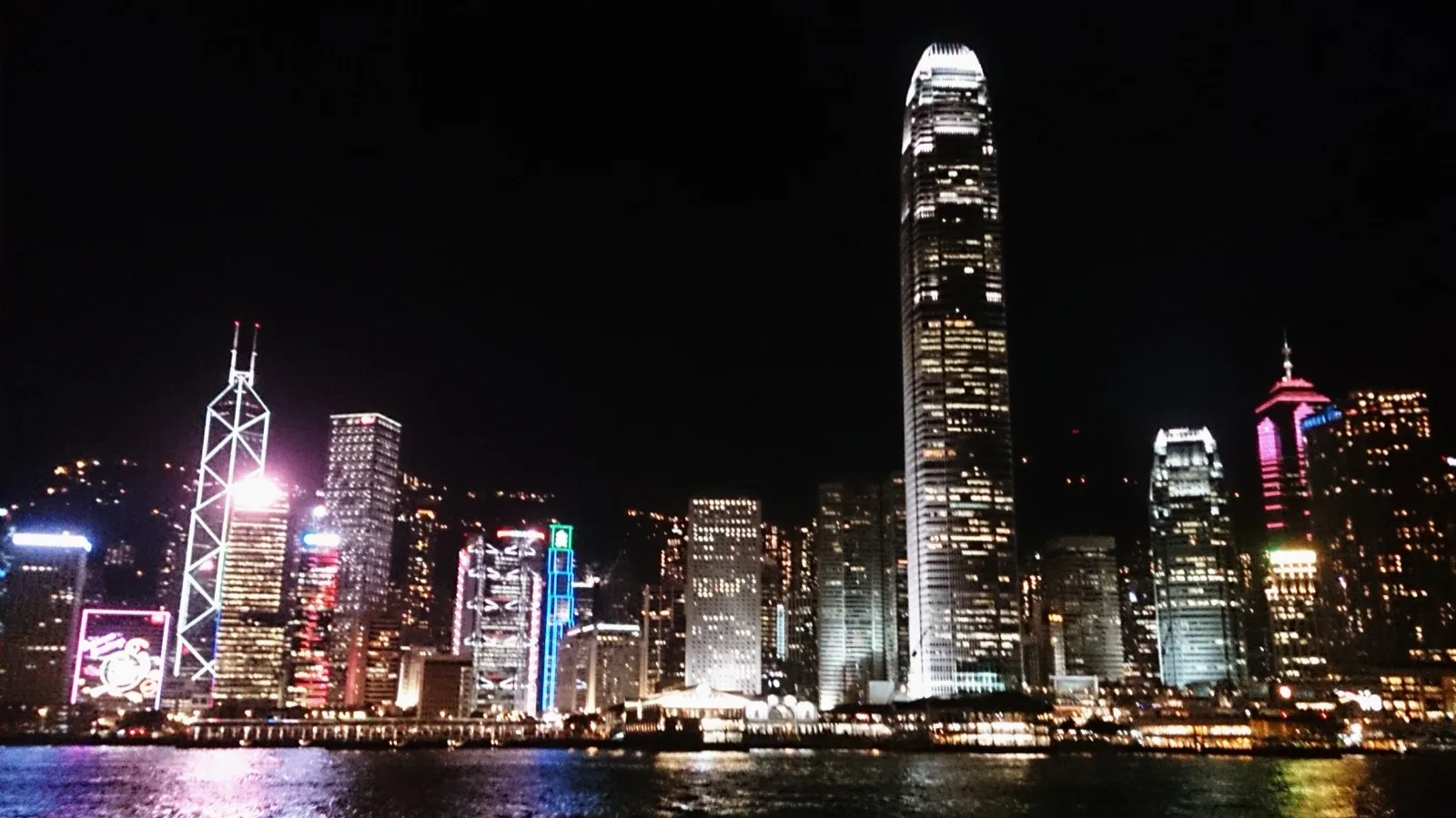
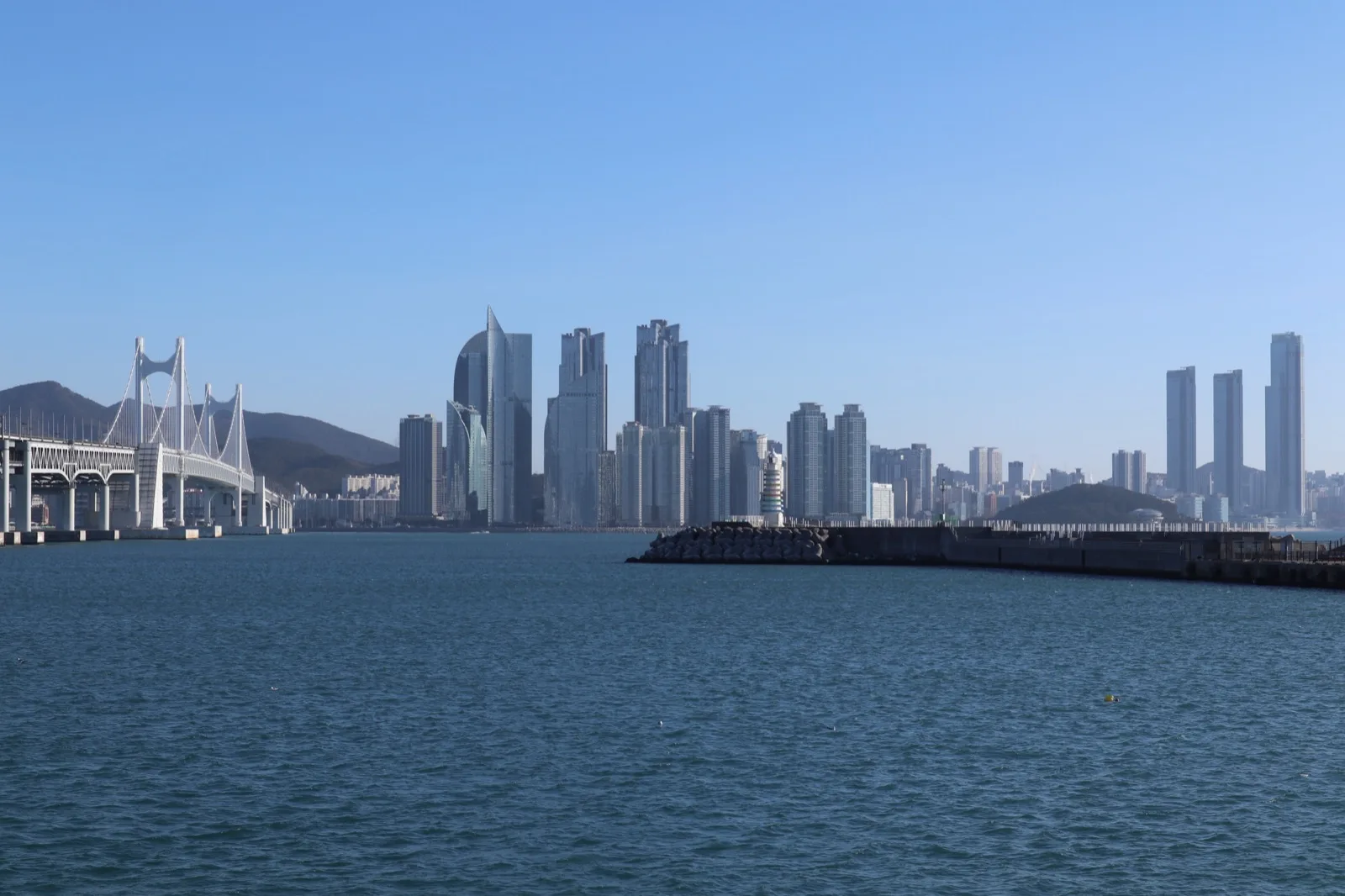
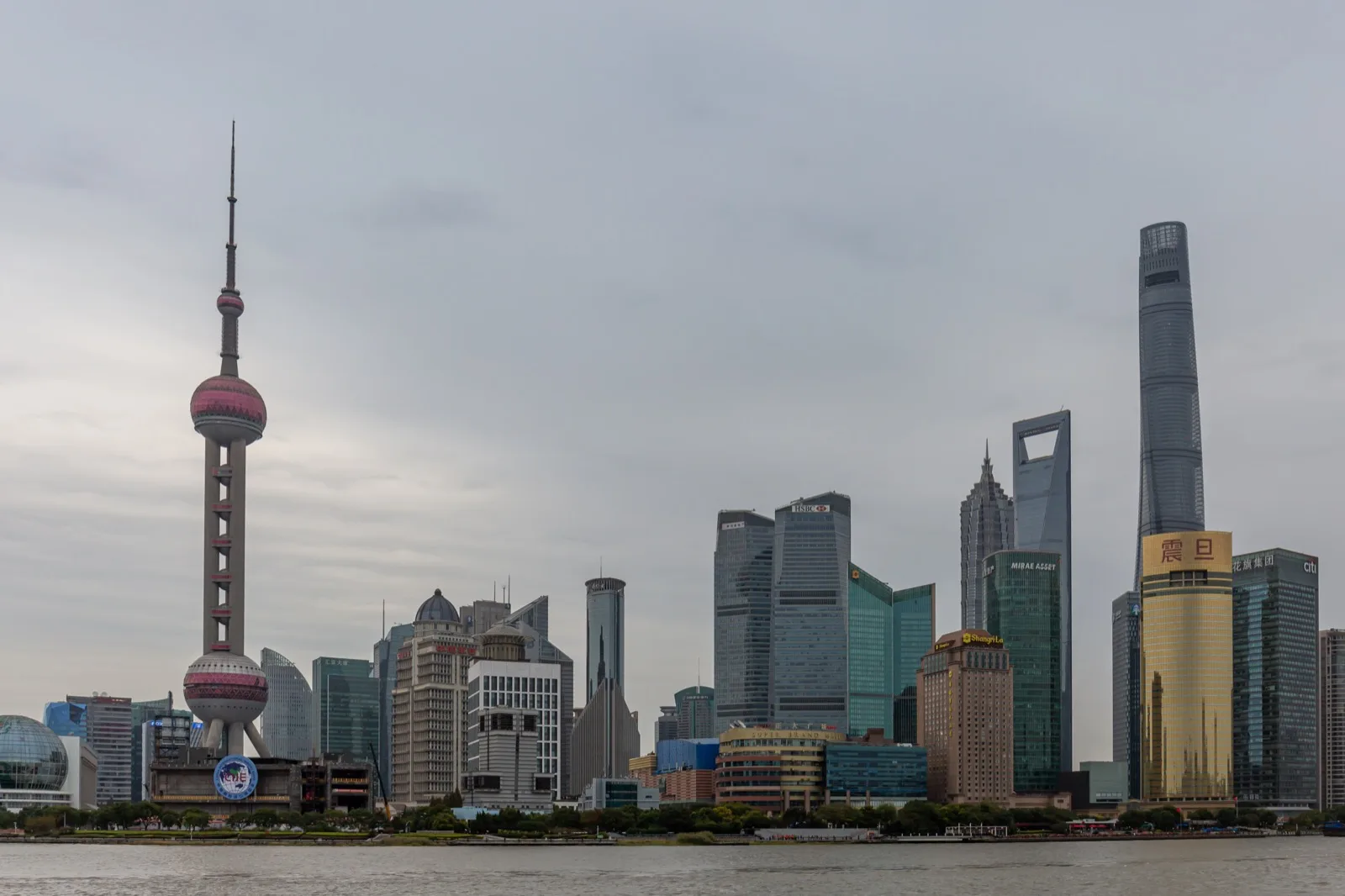
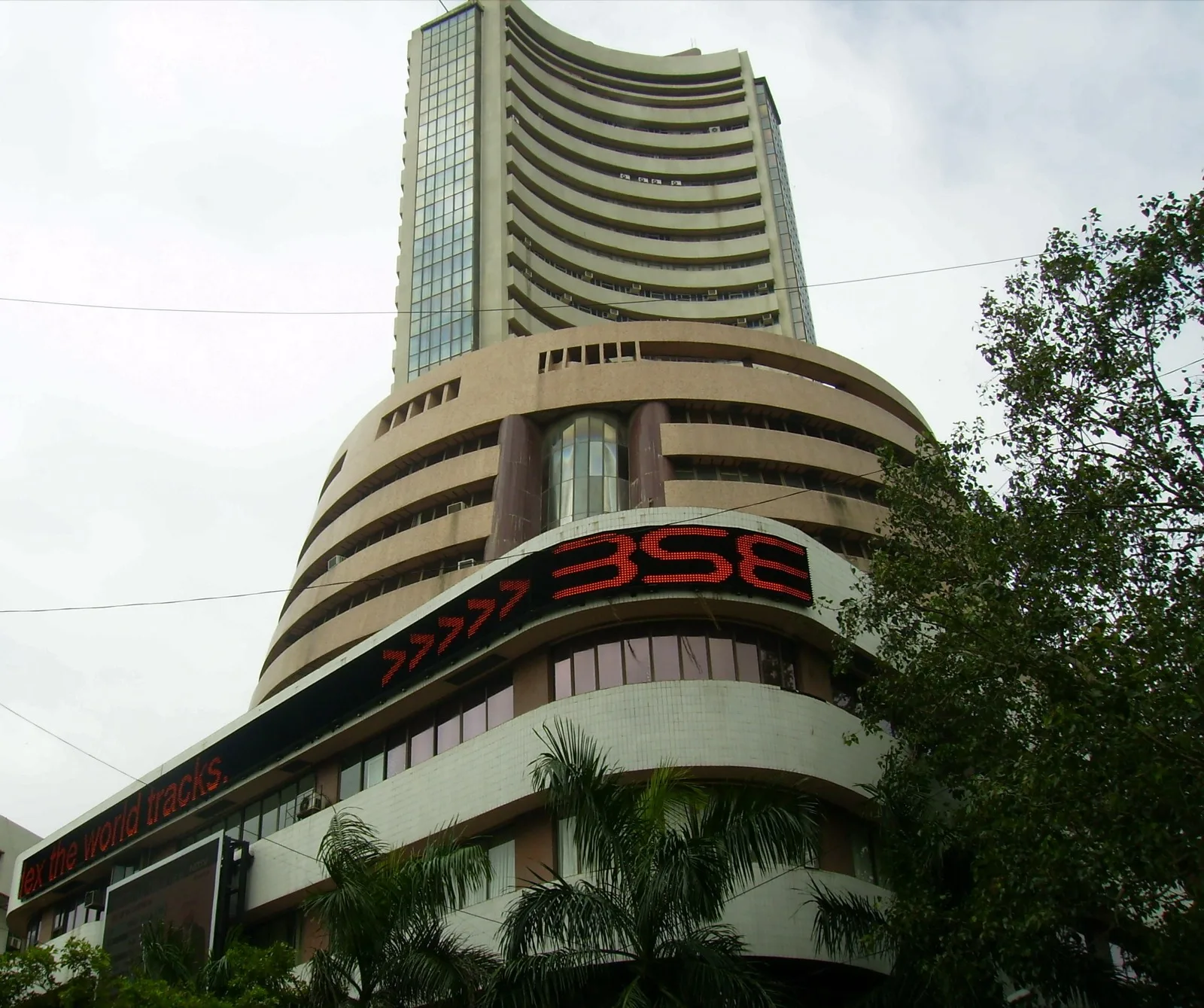
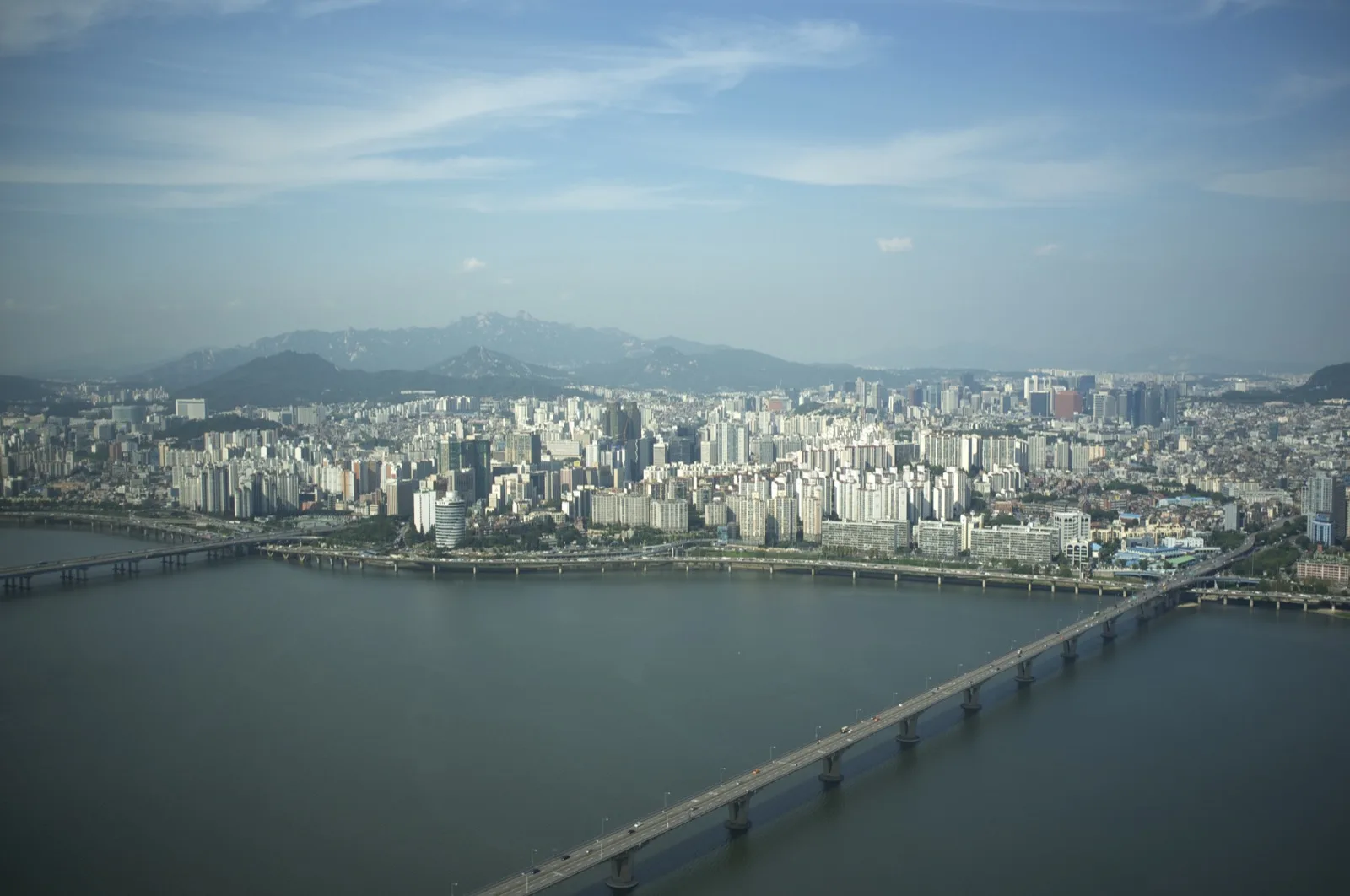
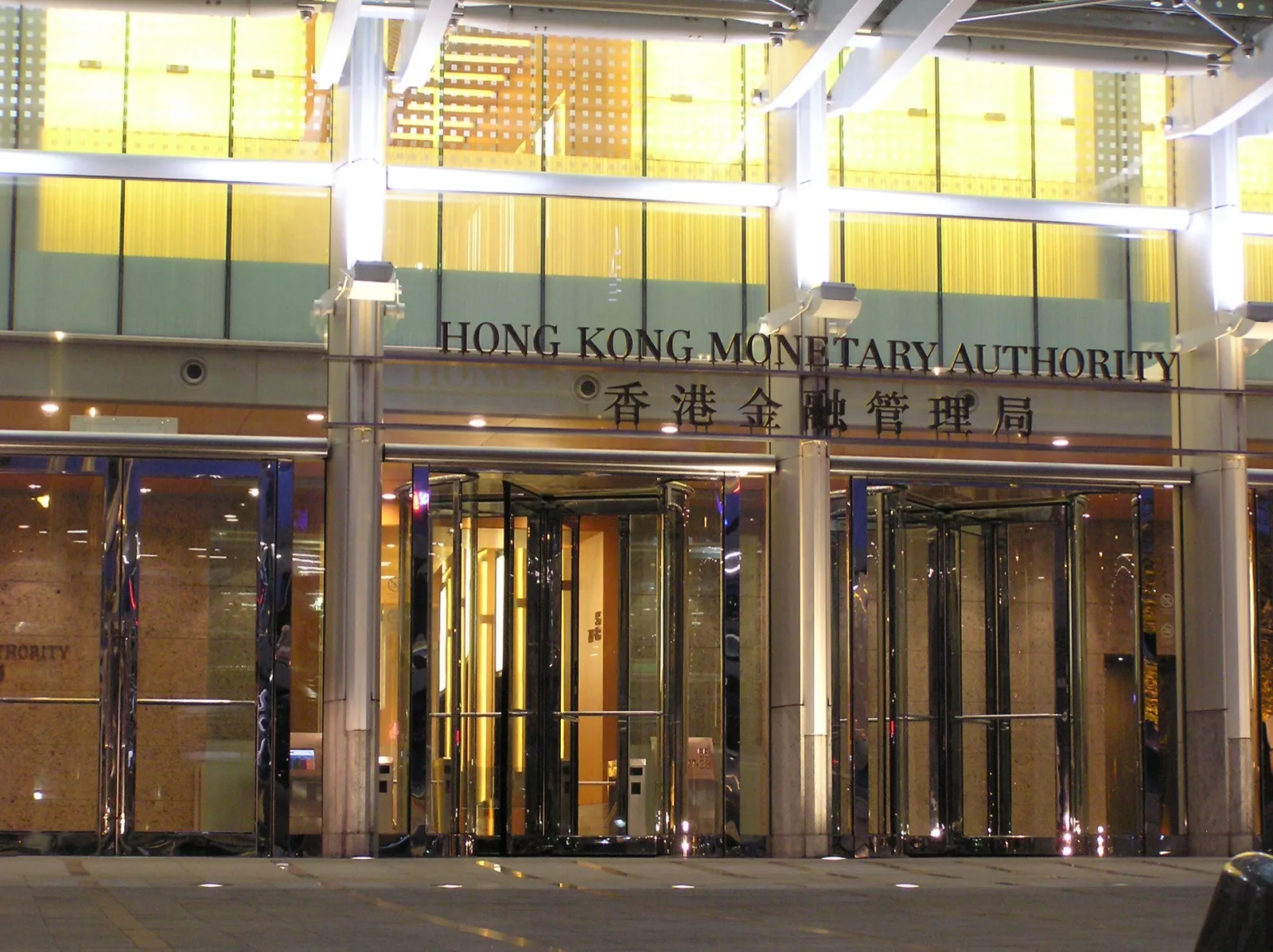
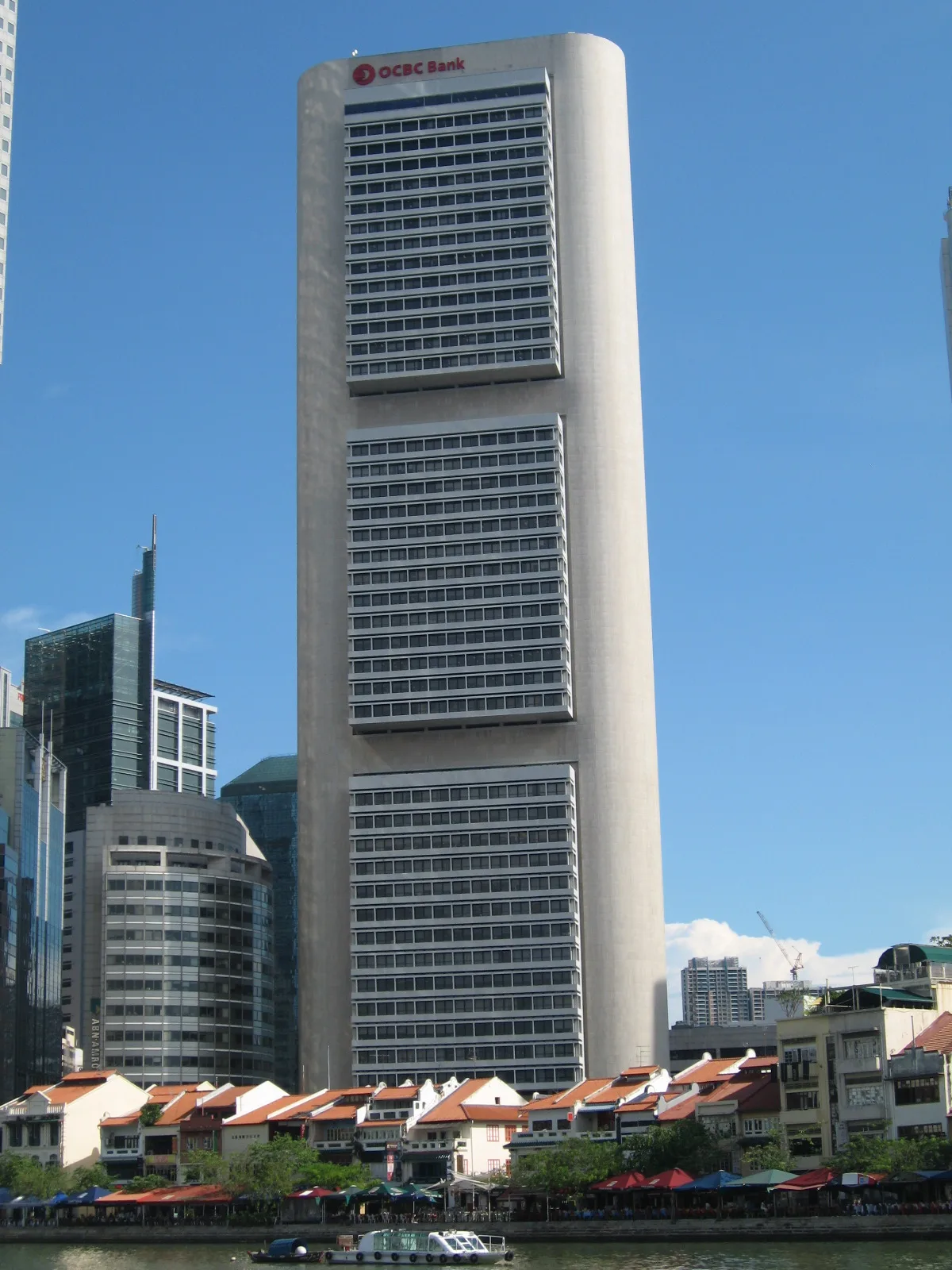
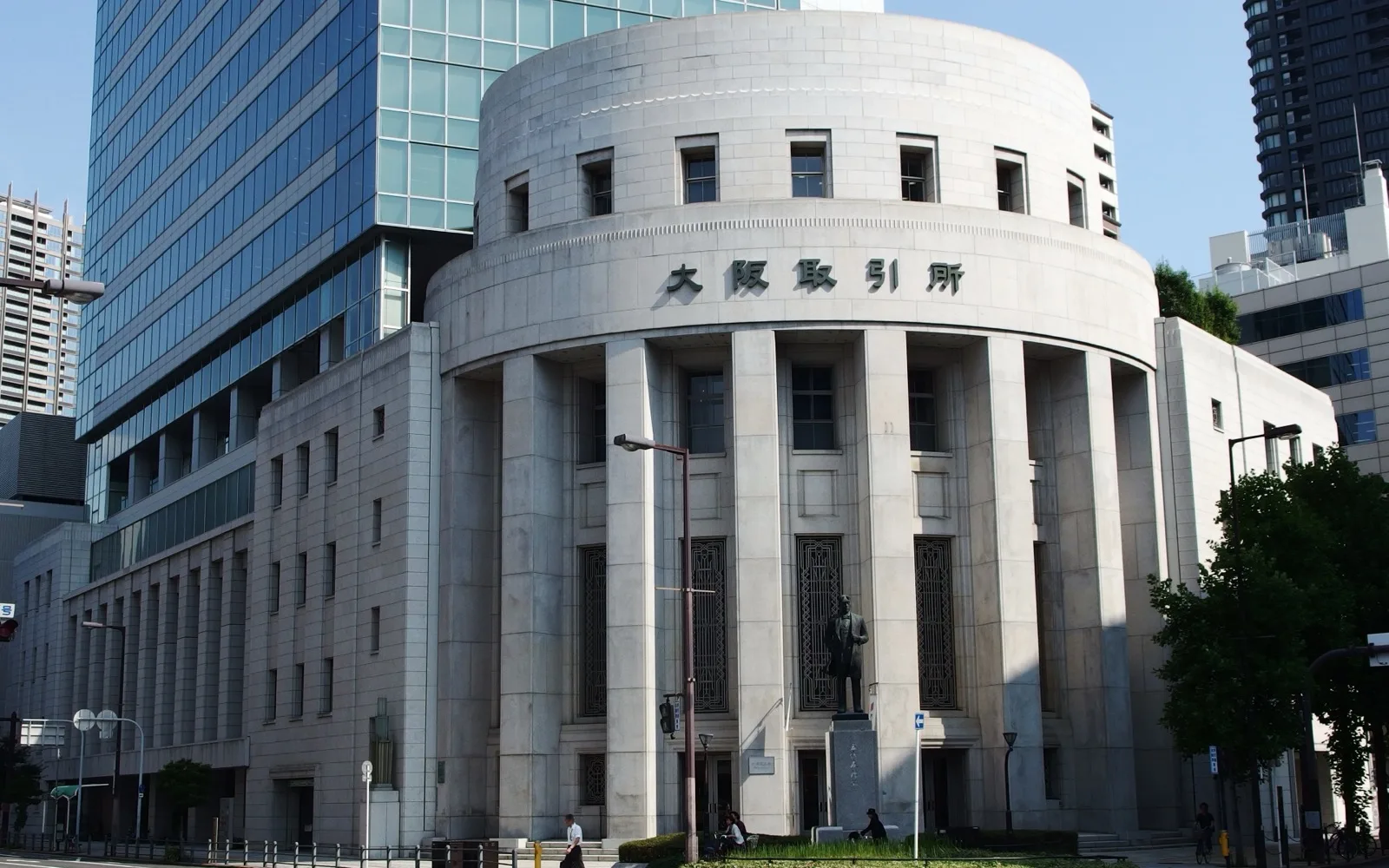
Markets news from China, Japan, India, and the financial hubs of East and South Asia.
Market overview
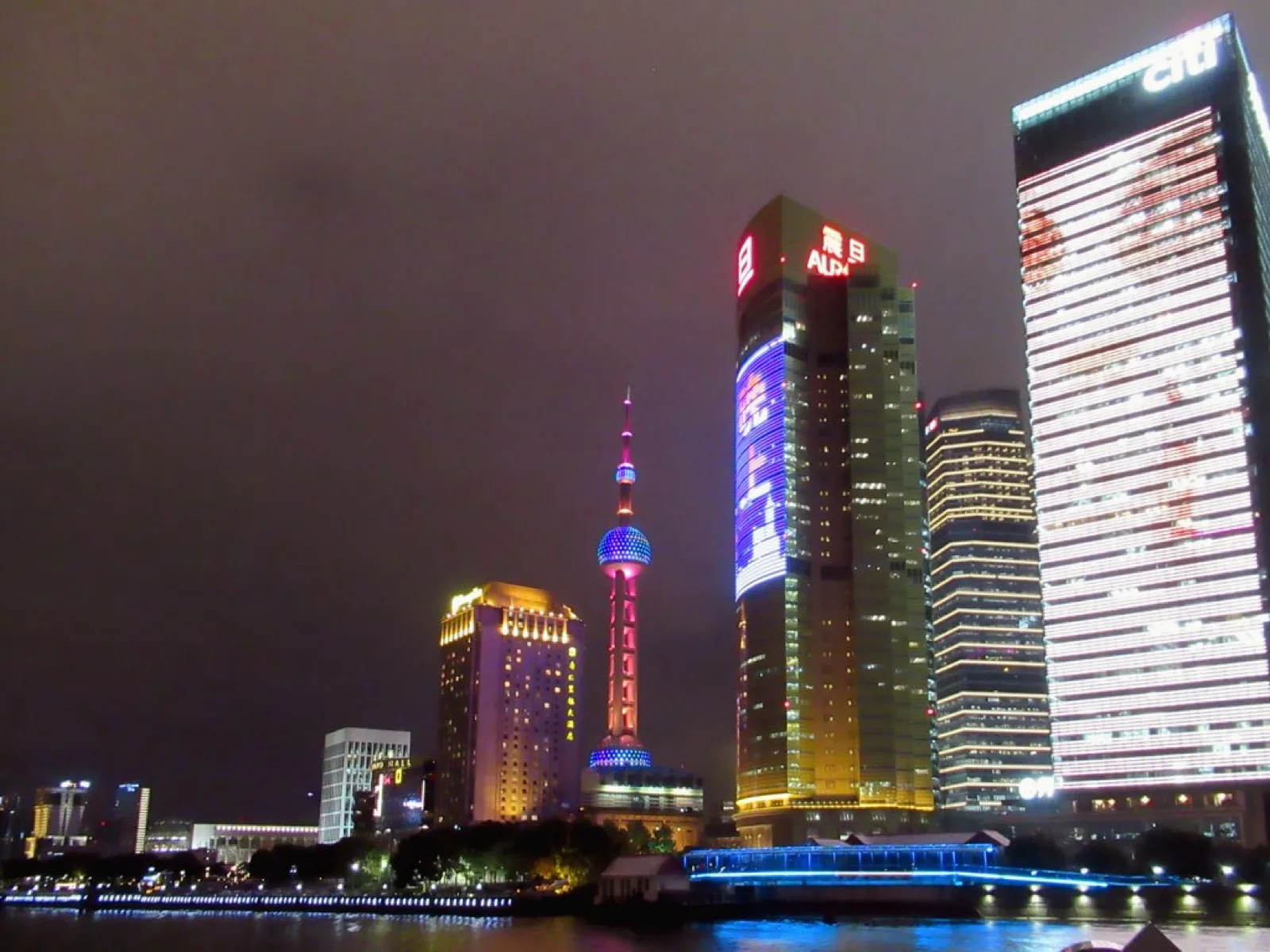
GSN covers six Asian markets: China, Japan, India, Singapore, Hong Kong and South Korea. They share a time zone band and very little else, because each runs its own board structure, admission tests and foreign-access regime.
Read the full overview and sources
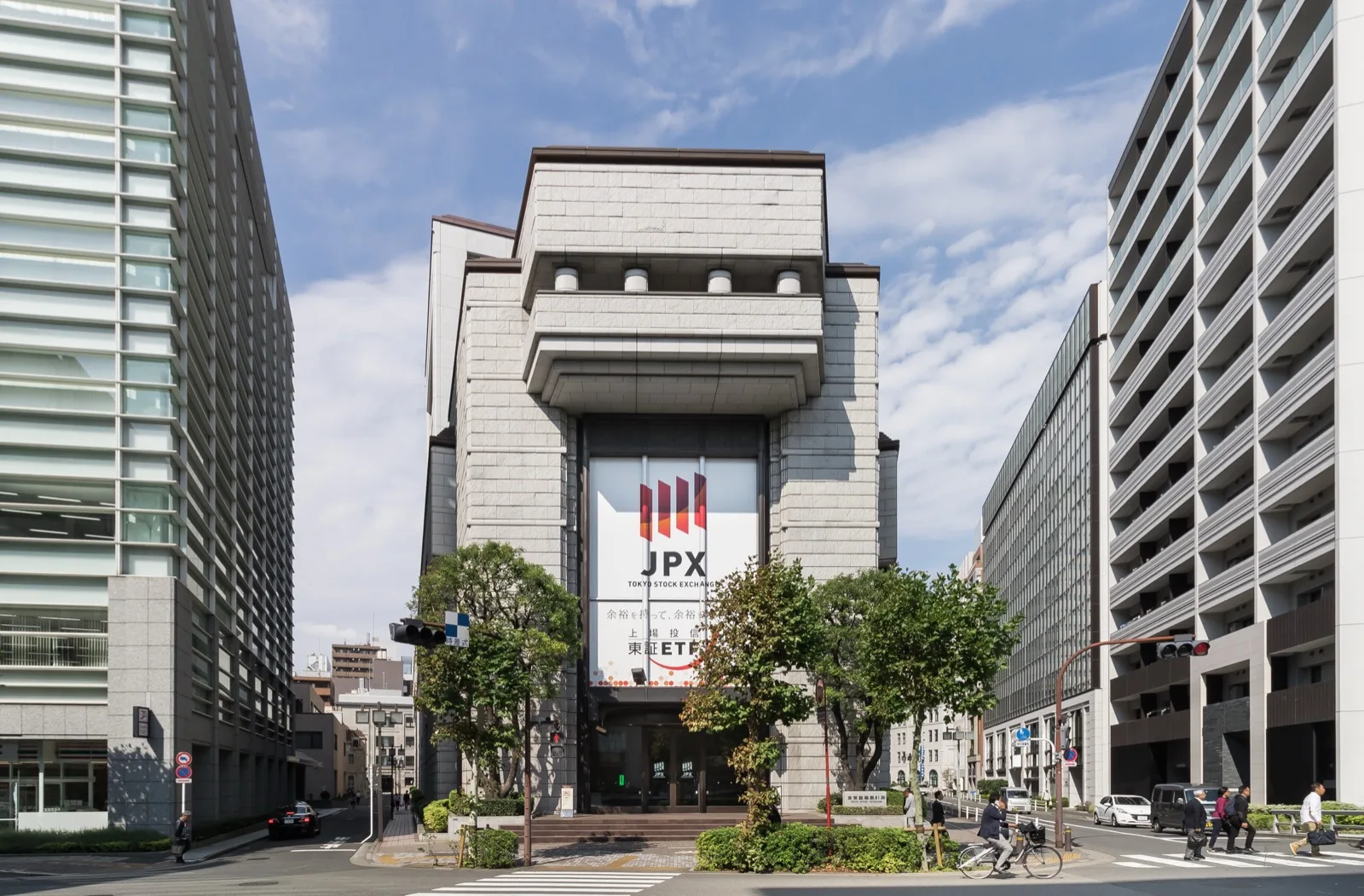
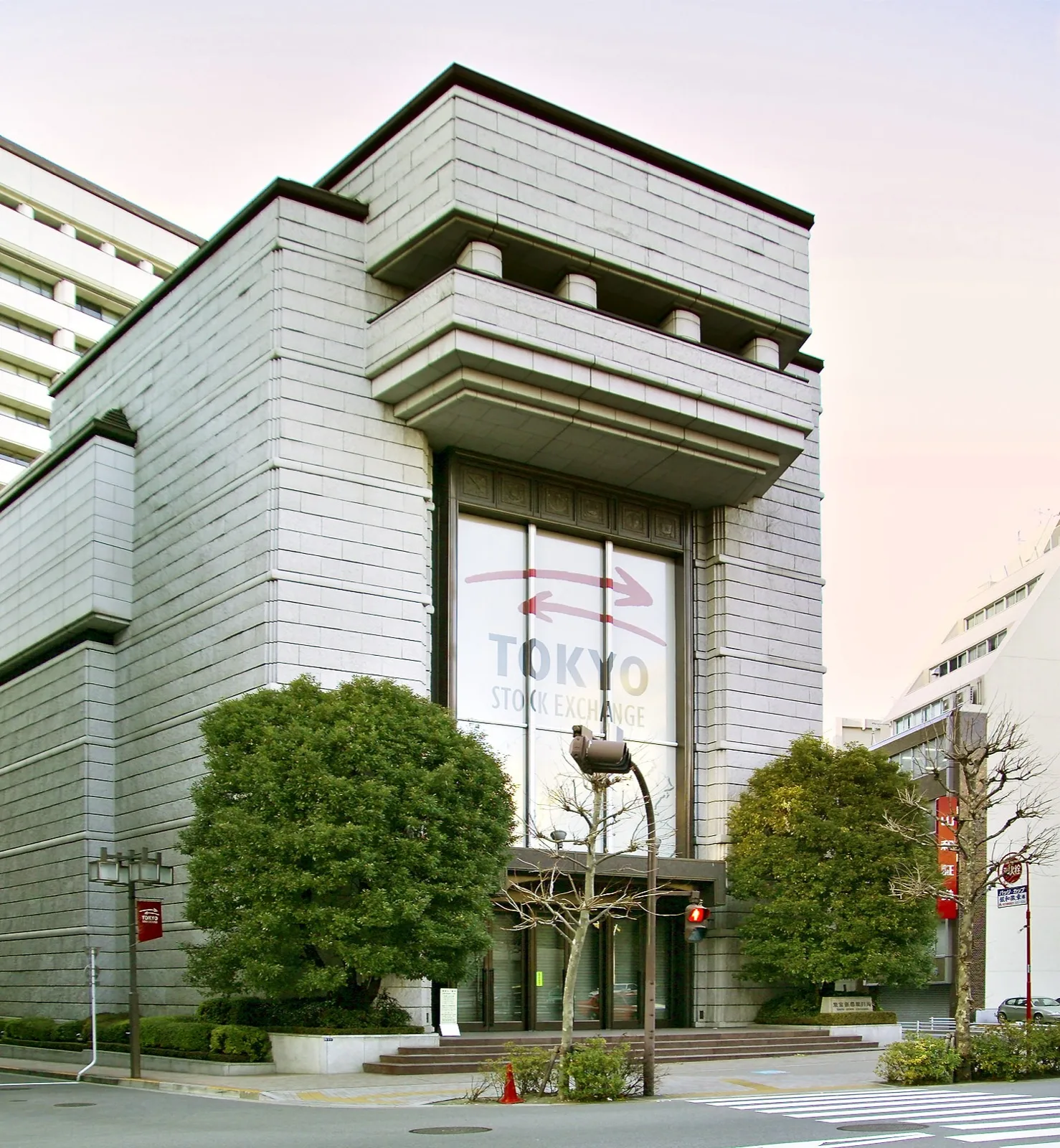
Japan is the region’s largest single venue by listed count. The Tokyo Stock Exchange, operated by Japan Exchange Group, restructured its cash market into three segments, and JPX reported 1,549 companies on Prime, 1,557 on Standard, 598 on Growth and 187 on the TOKYO PRO Market as of Sep. 02, 2026, a total of 3,891 listed companies, of which only 5 are foreign. Prime is the segment for companies with the broadest investor base, Standard for established issuers, Growth for earlier stage ones. TOPIX, the exchange’s benchmark, is calculated from domestic common stocks on Prime, Standard and Growth, excluding issues on Special Alert and those designated as securities to be delisted.
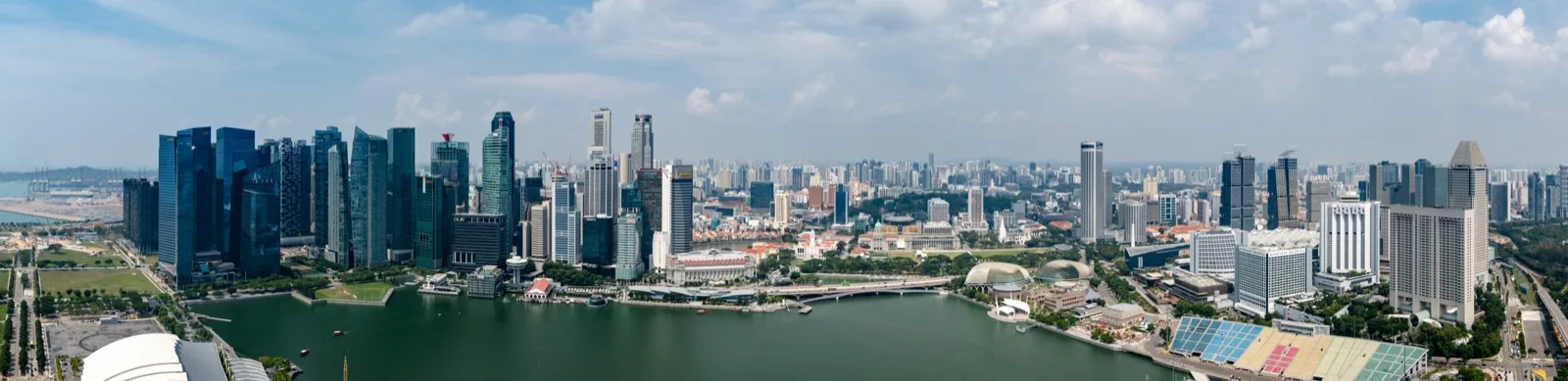
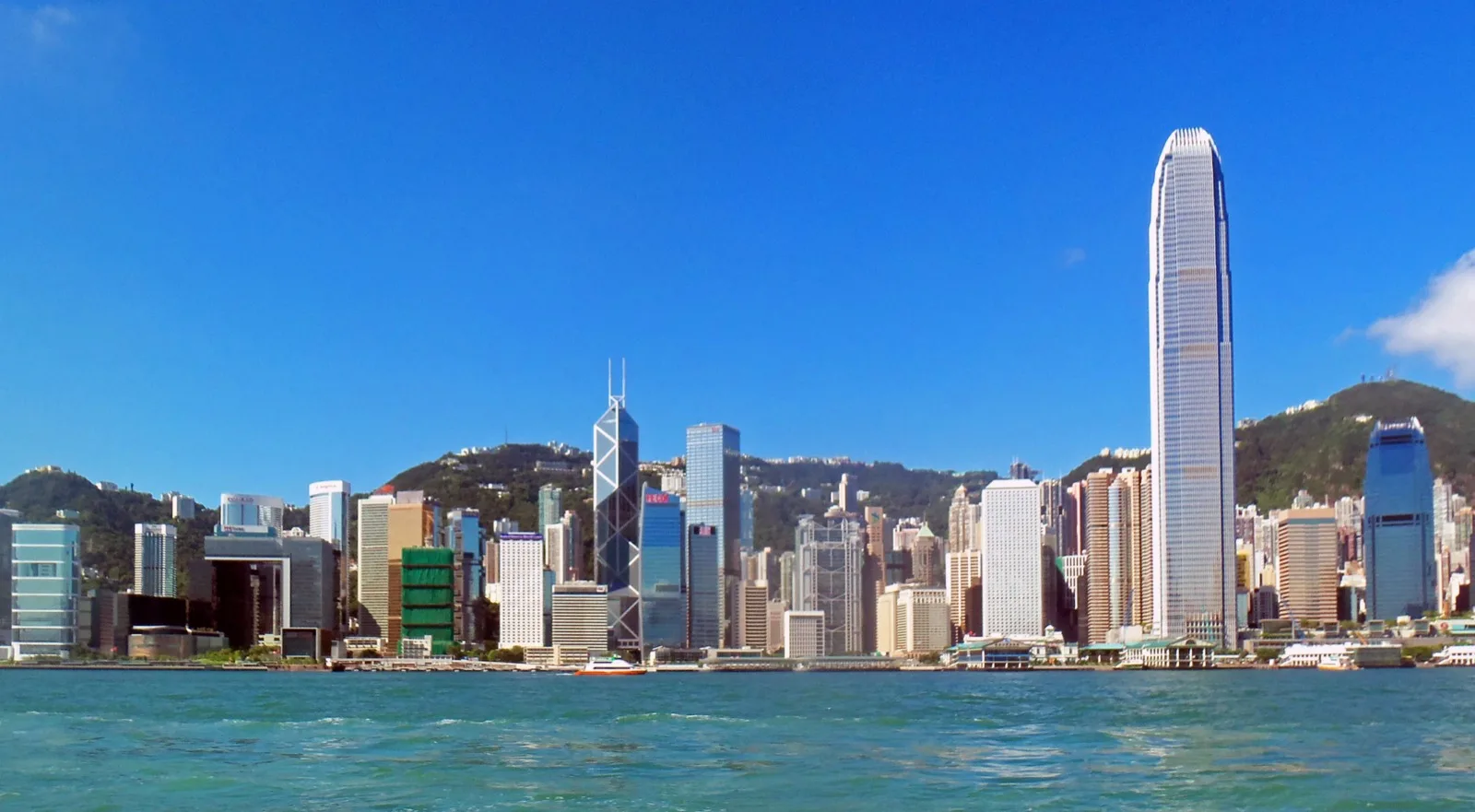
Singapore and Hong Kong are the region’s two international listing centres. SGX admits companies to its Mainboard under Rule 210, which offers three quantitative routes: consolidated pre-tax profit of at least S$10 million in the latest financial year with a three-year track record, profitability plus a market capitalisation of not less than S$150 million, or operating revenue plus a market capitalisation of not less than S$300 million. A secondary listing needs at least 500 shareholders worldwide, and where SGX and the primary home exchange have no framework to move shares between jurisdictions, at least 500 shareholders in Singapore or 1,000 worldwide. Hong Kong’s markets are supervised by the Securities and Futures Commission, an independent statutory body outside the civil service that regulates intermediaries, listings, products and market conduct.
The mainland link runs through Stock Connect, and it is the single most consequential cross-border mechanism in Asian equities. Only A shares and eligible ETFs listed on the Shanghai and Shenzhen exchanges are included in Northbound trading; B shares, bonds and other products are not. An SSE A Share Index constituent qualifies for Northbound trading if it has a daily average market capitalization over the last six months of RMB5 billion or above and a daily average turnover of RMB30 million or above, and has not been suspended on 50% or more of trading days in that period. Southbound access is narrower still: mainland institutional investors, plus individuals holding an aggregate balance of not less than RMB 500,000 across their securities and cash accounts.
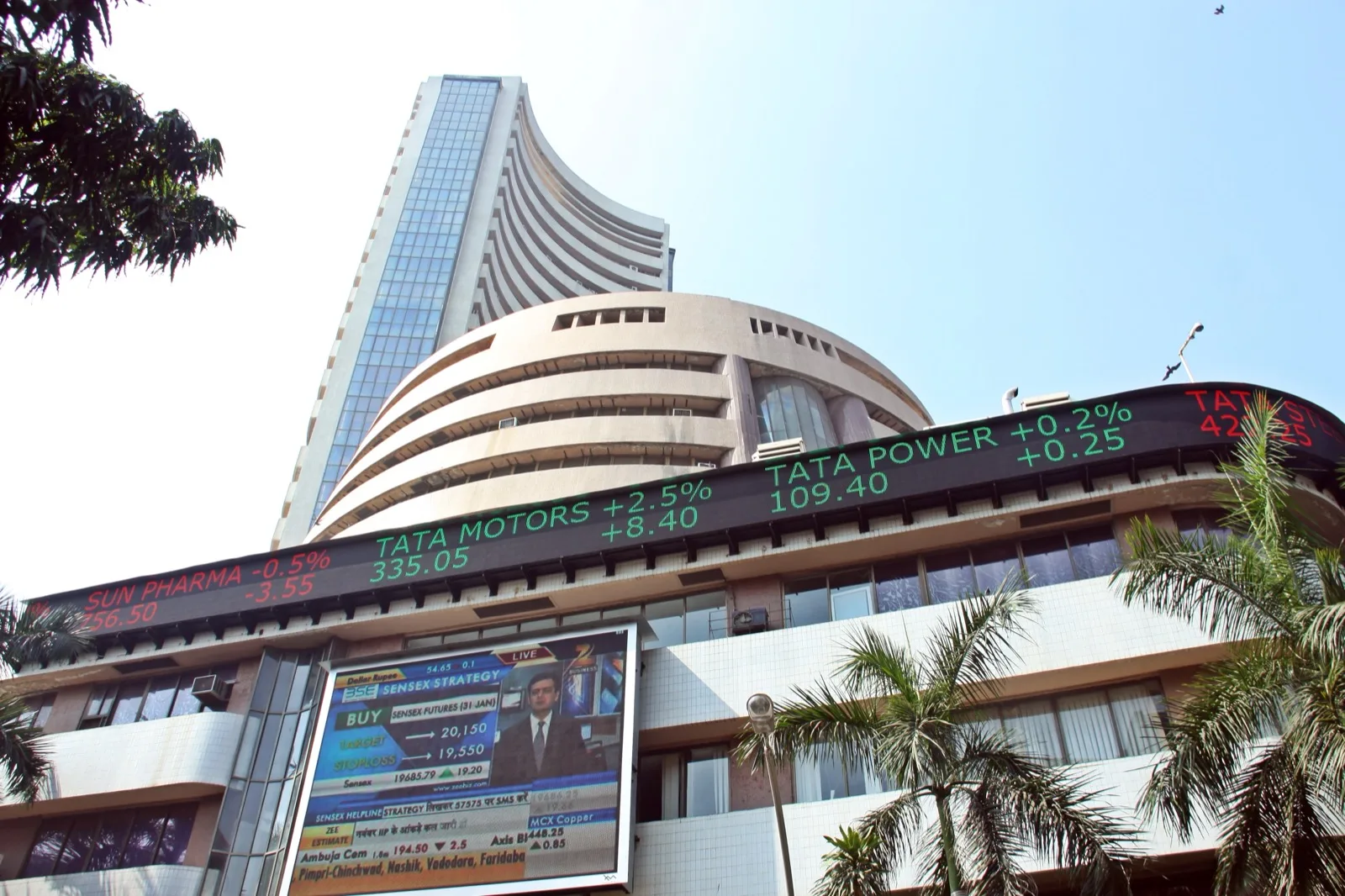
India sits outside those plumbing arrangements and is governed instead by a dense body of statutory regulation. The Securities and Exchange Board of India maintains separate regulations for issue and listing of non-convertible securities, delisting of equity shares, share based employee benefits and index providers, each carrying its own amendment date, the most recent additions being the Mutual Funds Regulations, 2026 and Stock Brokers Regulations, 2026.
Index classification captures how differently outside money treats these markets. In the FTSE Equity Country Classification of Markets as at September 2023, Japan, Hong Kong, Singapore and South Korea are Developed, while China and India are Secondary Emerging, which is why index-inclusion decisions remain live news in the latter two and settled in the former.
Sources
This overview is based on the official documents listed below, last checked 2026-09-03. Figures are as stated in those documents.
Silicon Motion Technology (NasdaqGS: SIMO) has scheduled its third quarter 2026 results for late October. The company, which describes itself as the global leader in NAND flash controllers, cites trade and supply chain pressures among its risks.
The Singapore microscopy company's one-for-fifteen reverse split changes the shape of its shares, not the size of the business. What it says next about why will decide how the move reads.
A $5 million stake turns a July licensing deal into a shared bet on silicon carbide. It tells us about intent, but the real test is qualifying the technology at Magnachip's own factory.
The Nasdaq listed operator of children's sports schools is consolidating its Japanese and US audits under one firm, and restated the material weaknesses reported in its latest annual report.
ZK International Group reported a net loss of $17.0 million for the six months to March 31, 2026, driven by an $8.1 million disposal loss and $7.1 million of share-based pay.
Yatra Online said Magna Holdings Ltd. has commenced an unsolicited offer for up to 20,000,000 ordinary shares at $1.10 each, and urged shareholders to take no action yet.
BUUU Group Limited announced a definitive agreement to acquire a majority stake in Brightray Science Inc. and raised over $60 million in private placements.
Nasdaq denied reinstatement for the FX software developer citing potential manipulation and thin liquidity. The company plans a review, but trading remains suspended.
Global Interactive Technologies said Nasdaq notified it on August 20, 2026 that it is not compliant with Listing Rule 5250(c)(1) after missing its Form 10-Q filing deadline.
The Tokyo based solar cell and module maker lifted first-half revenue 87.6% to $261.0 million and net income to $45.8 million, and flagged uncertainty over US policy.
Global Mofy AI agreed to issue 1,500,000 Class A shares at US$2.70 each for a 5.06% interest in Qifei (Shanghai) Technology, a related party deal with its chairman.
ReNew Energy Global reported first quarter fiscal 2027 total income of INR 47,864 million and net profit of INR 5,953 million, with commissioned capacity up 17% to about 13.1 GW.
Bitdeer says its 9.5 MW A102 facility is fully contracted for more than $800 million of expected revenue. The release gives no term, no customer and no capital cost, and its mining table shows Bitcoins held falling to 61 without explanation.
K Wave Media agreed to sell 526,314 ordinary shares at $1.90 each for gross proceeds of $999,996.60, days after Nasdaq confirmed it had regained minimum bid price compliance.
ispace's subsidiary ispace-EUROPE announced it has been awarded a EUR65 million ESA contract for the remaining work on MAGPIE, Europe's first lunar polar ice-prospecting rover.
Londian Wason New Energy Tech closed its NYSE initial public offering of 4,285,714 American depositary shares priced at US$22.00 each after a brief trading halt.
Zoomcar said stockholders approved an increase in authorised common stock, a broad reverse stock split range and a warrant exchange, alongside a fourth private placement closing.
The Hong Kong financial printer said customers reached a record 550 as of June 30, 2026, while IPO filing submissions to HKEX rose 482% year over year.
DoubleDown Interactive reported second quarter 2026 revenue of $94.3 million, profit of $32.9 million and adjusted EBITDA of $39.3 million, with Direct-to-Consumer sales at $40.5 million.
The Nasdaq listed Japanese retailer set a September payment window for its year-end dividend after a fiscal year in which revenue rose 77.6% to $373.2 million.
ReTo Eco-Solutions can draw up to $36,000,000 of pre-paid purchases over two years under a securities purchase agreement settled in Class A shares, cash, or both.
KEC International said it had won orders of Rs. 1,063 crores, including a 24 lakh sq. ft. residential project and a 400 kV transmission line in Africa, lifting year to date intake past Rs. 6,300 crore.
The Hong Kong AI and robotics group said its Axonex unit will co-develop a commercial grade service robot, with about 1,000 units planned for the forthcoming year.
Nasdaq gave Singapore facilities services group Primech Holdings until February 22, 2027 to regain compliance with the $1.00 minimum bid price requirement.
Gravity Co., Ltd. set an interim cash dividend of KRW 4,400 per share totalling KRW 30,575,160,000 and reported second quarter 2026 revenue of KRW 161,884 million.
The autonomous driving systems developer priced its offering at the top of its indicated range and listed on July 22, 2026, selling 17,449,600 newly issued shares.
Origin Agritech has issued a three-year senior convertible note of RMB 15,000,000, carrying 3.98% interest and convertible at US$1.50 per ordinary share.
MakeMyTrip said its wholly owned Indian arm has confidentially pre-filed a draft red herring prospectus with SEBI and the two main Indian exchanges for a Main Board listing.
The Hong Kong staffing and senior care group reported over 42% year-over-year logistics revenue growth and a record HK$4.4 million monthly revenue in June 2026.
SuperX AI Technology said its Japanese subsidiary received an approximately US$38.8 million order from Woodman for NVIDIA B300 server clusters in Yokohama.
Magnachip Semiconductor reported second quarter 2026 revenue of $44.7 million and a 19.3% gross margin, and guided third quarter revenue to $41.5 million to $45.5 million.
The Tokyo based Nasdaq listed company signed a sales agreement with Craft Capital Management to sell up to $16,000,000 of Class A ordinary shares over time.
Huadi International Group has 180 calendar days, until January 11, 2027, to regain compliance with Nasdaq's $1.00 minimum bid price rule after a staff determination letter.
Sify Technologies reported first quarter fiscal 2026-27 revenue of INR 12,352 Million, adjusted EBITDA up 42% to INR 3,005 Million and capital expenditure of INR 6,708 Million.
The Hong Kong security services provider said Nasdaq confirmed it meets the minimum bid price requirement, keeping its Class A shares listed after a share consolidation.
LG Display amended its disclosure on the transfer of its Nanjing automotive display LCD module business, priced at KRW 104,109,530,000, setting a scheduled transfer date of September 30, 2026.
SKK Holdings said six new horizontal directional drilling and utility works contracts in Singapore carry an aggregate value of up to about US$26.6 million.
The Hong Kong wet trades subcontractor will issue 1,377,000 Class A shares for a 20% stake in Beta Beteiligungs und Besitz GmbH, valued at US$23,400,000 in full.
Singapore safety equipment supplier Rectitude Holdings declared a cash dividend of US$0.10 per ordinary share, an aggregate distribution of US$1,548,275.
Singapore based quantum software developer Horizon Quantum reported a $115.2 million net loss for the quarter ended June 30, 2026 and cash of $113.3 million.
Under Singapore's Securities and Futures Act, crossing 5 percent of a listed company's votes triggers a filing, but after that a rounding rule decides whether the next trade must be disclosed at all.
Once financial statements are audited and filed, Singapore's corporate regulator reviews a selection of them against accounting standards. Here is how that surveillance process works.
In Singapore, an IPO offer document is published on the MAS OPERA repository days before anyone can subscribe. Here is how the exposure period works and why it exists.
Singapore's benchmark equity index is reviewed on a fixed quarterly calendar under a published rulebook. Here is how free float, liquidity screens and rank buffers decide who is in and who is out.
Most Singapore dollar corporate bonds are sold in blocks far beyond an individual's reach. A mechanism called seasoning explains how some later become available in small lots on the Singapore Exchange.
Crossing 30 percent of a Singapore-listed company's voting rights triggers a mandatory general offer to every remaining shareholder. Here is how that threshold, and its exceptions, actually work.
Singapore Government Securities are issued under two separate statutes with different purposes. Here is how the market development track differs from SINGA infrastructure borrowing.
Singapore listed companies need shareholder authority before repurchasing their own stock. Here is how that annual mandate works, from price ceilings and next-day reporting to treasury shares.
When a seller on SGX misses the T+2 delivery deadline, the buyer usually still receives the shares. Here is how the clearing house's buying-in session makes that possible.
Segregation rules, base capital thresholds, the clearing house waterfall and the fidelity fund each catch a different failure. Here is what the SGX rulebooks say about each, and which layer does the most work.
Japanese companies release a same-day earnings flash report, then a far more detailed securities report months later on EDINET. Here is how the two differ, and when a revised forecast must be disclosed.
An explainer on how SEBI's LODR Regulation 33 shapes quarterly and annual disclosures for listed Indian companies, and why standalone and consolidated results describe different things.
How the Korea Exchange's mandatory escrow rules keep controlling shareholders, venture investors and other insiders from selling right after an IPO, and why the wait varies by investor type.
Hong Kong's Securities and Futures Ordinance Part XIVA requires listed companies to disclose inside information about a material earnings variance as soon as reasonably practicable, not wait for the scheduled results date. Here is how the mechanism works.
How SGX pairs an immediate, market-wide disclosure duty with a periodic reporting calendar whose frequency turns on the auditor's opinion rather than on which board a company is listed.
Why can an unaudited preliminary figure move market expectations before the annual report is even released? A look at the mandatory triggers and mechanics behind China's earnings preannouncement and flash results disclosure system.
In an IPO, underwriters narrow a price range into a single offer price through book building, then use an over-allotment, or green shoe, option to help steady the stock once trading begins.
In India's IPO market, applying for shares does not mean the money leaves your account first. Here is how the ASBA blocking mechanism actually moves funds.
An earnings release and the audited filing that follows it are different documents with different legal weight. How the two-stage disclosure sequence works, and what Korea's English disclosure timetable changes for foreign investors.
From issuance to cross-border settlement, this explainer details how the Hong Kong Monetary Authority's Central Moneymarkets Unit (CMU) safely exchanges cash and securities across the region's vast debt market.
A look at how SGX RegCo's surveillance system flags unusual trading, and why a trading halt and a trading suspension are structurally different tools with very different timelines.
From deteriorating finances and sub-par share prices to major legal violations, China's Shanghai Stock Exchange enforces multiple mandatory delisting triggers, with ST and *ST labels as the first warning signs investors see.
An explainer on the large shareholding report triggered at 5% ownership, the change reports required for every subsequent 1% move, and how this differs fundamentally from tender offer rules.
A single percentage point separates routine disclosure from a legal obligation to buy out public shareholders. Here is why SEBI drew that line at 25 percent.
A look at how South Korea's Financial Supervisory Service can assign a company's external auditor under specific conditions, and why the rule exists to guard audit independence.
Hong Kong Exchange's Chapter 18A and Chapter 18C replace traditional profit tests with market capitalization thresholds, R&D milestones and sophisticated investor backing, opening the Main Board to pre-profit biotech and specialist technology firms while building in investor safeguards.
Every month MAS publishes a fresh ten-year schedule of coupons and average returns for a new Savings Bond issue. Reading the published series shows what the headline first-year rate leaves out.
Panda bonds are renminbi bonds issued onshore in China by foreign governments, institutions or companies, with approval, quotas and settlement mechanics that differ structurally from bonds issued by domestic Chinese issuers.
Japan's long-term government bond futures are benchmarked to a standardized, hypothetical bond, yet settlement draws on a basket of real bonds, one of which typically becomes the cheapest to deliver. Here is how the mechanism works.
A look at how the RBI's primary dealer auctions set prices for government securities, the difference between multiple-price and uniform-price formats, and how retail investors can now bid directly.
A look at how South Korea's convertible bonds and bonds with warrants use periodic refixing to adjust their conversion price, and why regulators cap how far that price can fall.
In shareholding changes at Hong Kong-listed companies, 30% is a legally significant line. Drawing on Hong Kong's Takeovers Code, this explainer covers why crossing that threshold forces an acquirer to make a general offer to all shareholders, plus the basic logic behind related exemptions.
On Singapore's Catalist board, licensed private sponsors, not exchange staff, vet companies for listing and keep supervising them afterward, a structure quite different from a Mainboard review.
In China's A-share market, stocks bought today cannot be sold until the next trading day. This piece explains how the T+1 trading rule works and how it structurally differs from T+0 markets.
Japan's margin trading system combines exchange-prescribed "system margin trading" with brokerage-negotiated "general margin trading"; this piece explains how a special cost called gyakuhibu (reverse interest) arises when short sellers crowd into hard-to-borrow stocks.
A single-stock halt is a disclosure device, not a price alarm. How exchange rules decide when trading in one security stops, how long it can last, and how Korea reaches the same result by designation.
On the Hong Kong Stock Exchange, callable bull/bear contracts are forcibly terminated the instant they hit a preset price level, a mechanism fundamentally different from ordinary warrants and standard listed options.
A guide to dual-class share structures on the Singapore Exchange: how multiple-vote shares work, the safeguards and voting caps SGX imposes, and the sunset clause that eventually levels the playing field.
Through cross-border order routing, daily quotas and lists of eligible shares, the Shanghai-Hong Kong and Shenzhen-Hong Kong Stock Connect programs let mainland and Hong Kong investors trade each other's shares without opening an account in the other market.
Japan's Financial Instruments and Exchange Act determines what counts as 'material facts' through a combination of pre-enumerated items and numerical thresholds.
SEBI's insider trading framework does not stop at executives and directors. It also captures relatives, advisors, and anyone else who gains access to unpublished price sensitive information.
A look at how underwriters translate institutional demand into a final offer price during the Korea Exchange's IPO process, from the initial price band to the listing itself.
From the mainland interbank market to Hong Kong's offshore platform, renminbi-denominated bonds follow two completely different sets of regulations; this article clarifies the fundamental differences between Panda bonds and Dim Sum bonds, and how offshore institutions issue renminbi debt in Hong Kong.
A look at how Singapore Government Securities auctions turn a stack of competing bids into one market-clearing yield, and why that number is discovered rather than set in advance.
The price range announced for an IPO becomes a final price through cumulative bookbuilding, where institutional investors' collective bids drive price discovery.
Though both are share buybacks, gradually buying through an exchange and announcing a price and period for a lump-sum purchase differ completely in the company's purposes and effects on shareholders.
A company can raise fresh equity years after listing without ever ringing a "first day" bell again. Here is what actually separates a follow-on public offer from an IPO in India.
Every trading day before market opens, invisible daily quota gates determine how much capital can flow between mainland and Hong Kong stock markets, and how this mechanism actually operates.
A single ranked list, updated twice a year, quietly decides which Indian companies fall into large-cap, mid-cap, or small-cap buckets, with consequences for the funds that hold them.
Before a new stock officially lists, HKEX's FINI settlement timetable leaves an overnight gap between allotment results and the start of trading. This explainer maps that gap and how it differs structurally from official first-day trading.
Each government bond auction publishes a 'winning bid yield': here's who calculates it, what procedures they follow, and how the mechanism actually works.
A rights issue is priced below the market, and the width of that discount is set by pre-emption rules, shortfall arrangements and take-up risk. Here is how the price is arrived at and what it does and does not show.
When subscribing to Hong Kong IPOs, why do institutional investors and retail traders use completely different channels? We break down the allocation splits, clawback mechanisms, and public float requirements that govern each path.
A look at how Singapore-listed real estate investment trusts are legally structured and why a single distribution rule shapes nearly everything about how they operate.
From information disclosure to major asset restructuring, explore when, why, and how Shanghai and Shenzhen exchanges halt trading, and why halts don't inherently mean crisis.
From the red herring prospectus to anchor investor lock-ins, a look at the disclosure architecture Indian regulators use to level the playing field in new listings.
How one company can issue two share classes with unequal voting power, and what safeguards Hong Kong Exchange has in place to balance founder control with minority-shareholder protection.
Korean shares often trade cheaper than global peers on similar earnings. The real explanation lies less in macro risk than in corporate structure and shareholder rights.
Dividend yield is simply dividend divided by stock price, but when the stock price falls, the yield automatically rises. Paired with the dividend payout ratio practices unique to Japanese companies, the true meaning of this metric becomes clear.
Sample selection, weighting methods, and adjustment rules explain why the CSI 300 and Shanghai Composite often move differently, despite both tracking A-shares.
Despite using the same registration-based framework, different review structures between the two venues create markedly different outcomes for companies seeking to list.
 lobal Securities News