Pulsenmore receives second AI grant from Israel Innovation Authority
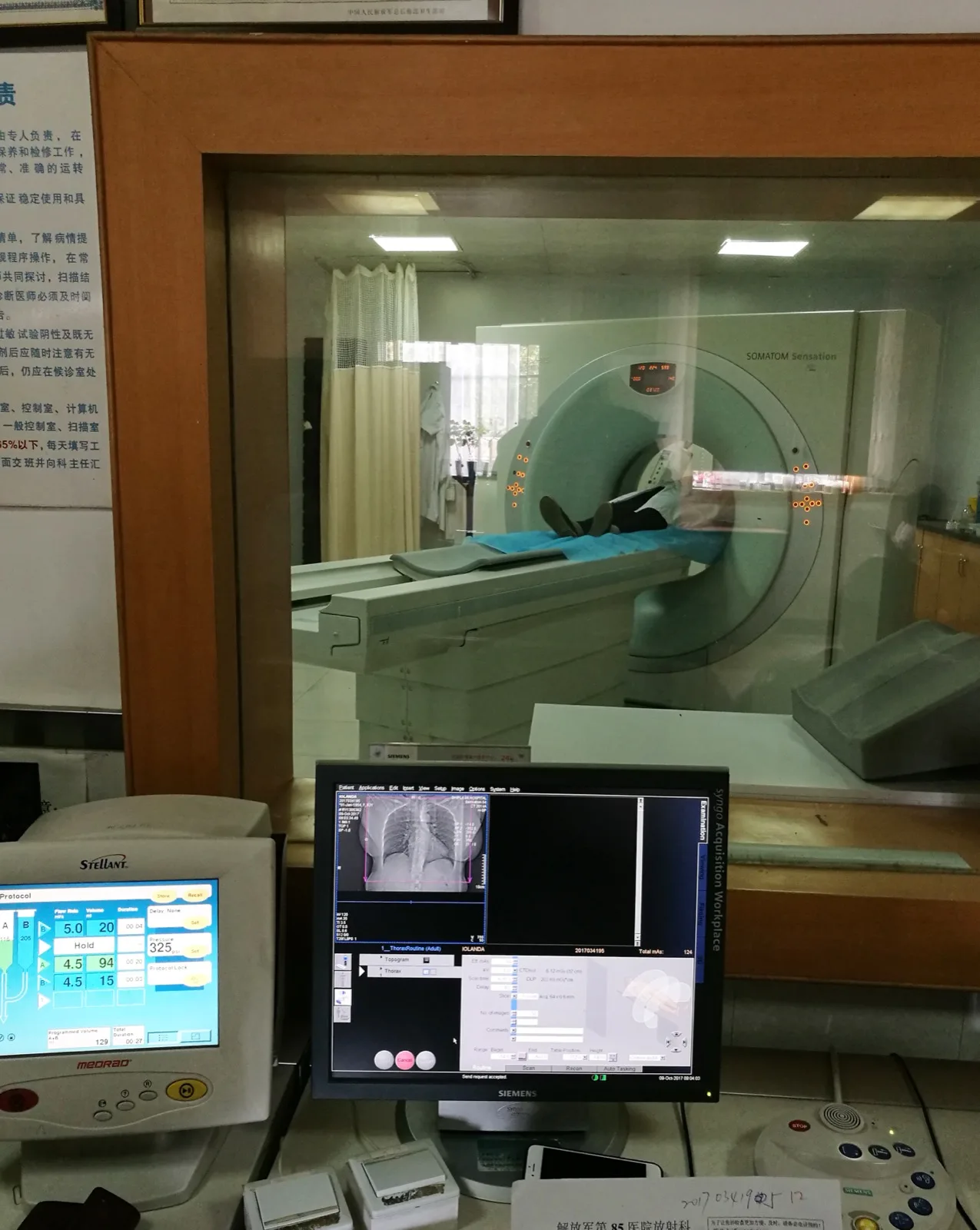
The Israeli home ultrasound company secured $1.27 million in funding for its SmartScan AI program, bringing total recent grants to $1.6 million.
Latest equities, bonds, and regulatory news from Israel, updated daily.
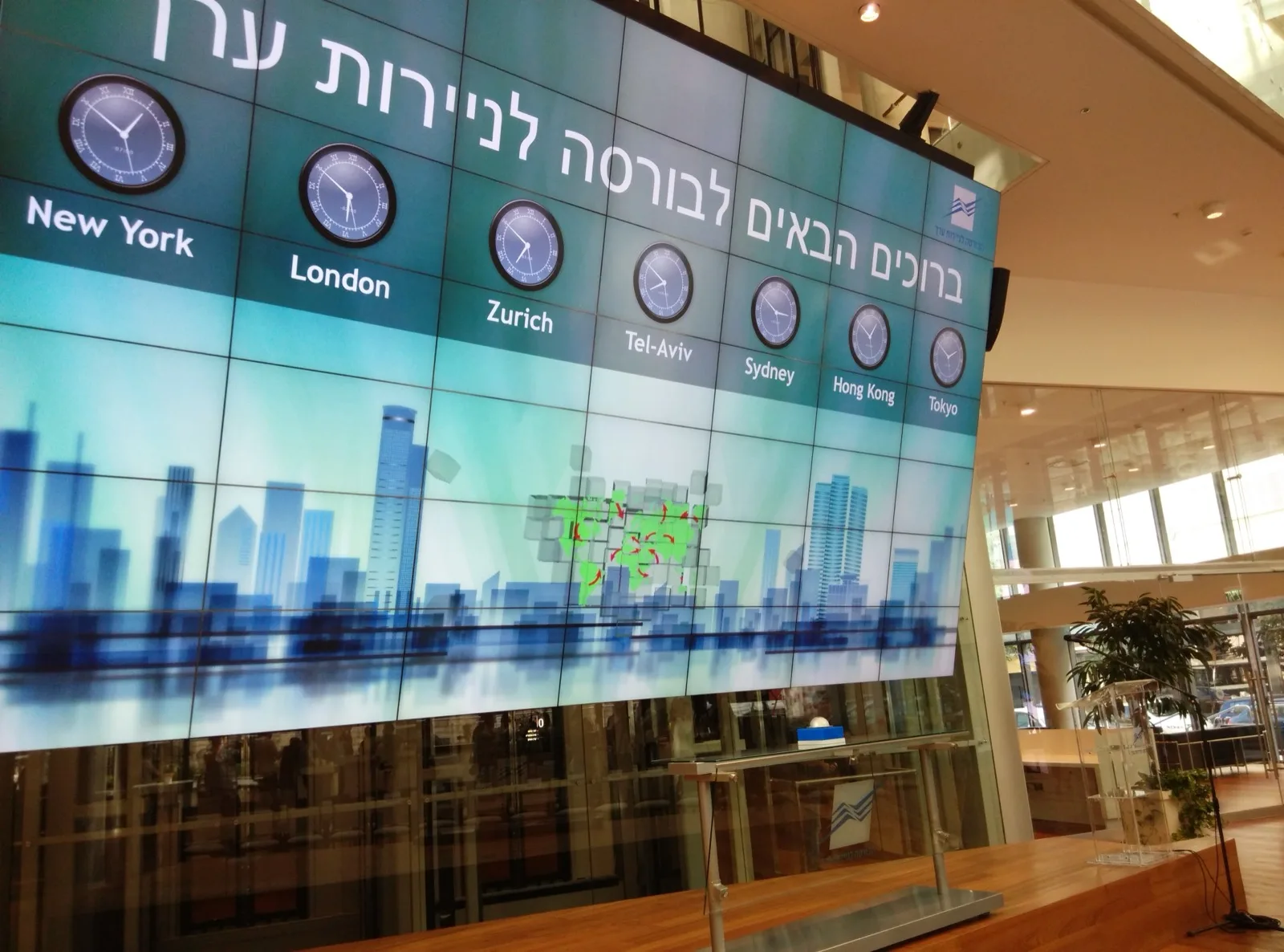
The Tel Aviv Stock Exchange, universally shortened to TASE, is Israel’s sole stock exchange. Its two headline indices are the Tel Aviv 35 and the Tel Aviv 125, written TA-35 and TA-125, which track the 35 and 125 listed companies with the highest market capitalisation. The exchange also runs thematic gauges, including a TA-125 Fossil-Fuel-Free Climate Index that strips out companies in the fossil fuel production chain and a TA-Cleantech Index of 12 clean technology companies. Conduct and disclosure are supervised by the Israel Securities Authority, an ordinary member of IOSCO, which works with the Bank of Israel and the Ministry of Finance on financial market regulation.
Equity performance in the recent past has been unusually strong by developed-market standards. In 2025 the TA-35 rose 51.6% and the TA-125 rose 52.0%, against 16.4% for the S&P 500 and 20.4% for the NASDAQ Composite. Between January 1, 2026 and May 31, 2026 the TA-35 added 20.6% and the TA-125 added 18.7%, compared with 10.7% and 16.1% for the two American benchmarks.
Trading and settlement are in New Israeli Shekels. Monetary policy sits with the Bank of Israel under the Bank of Israel Law, which took effect on June 1, 2010, and the statutory objective is price stability, defined by the Government since 2003 as annual inflation of 1% to 3%. Rates have been set by a Monetary Committee since October 2011, made up of three Bank of Israel members and three public representatives. The Bank may not fund the budget deficit or buy government bonds in the primary market, aside from temporary cash-flow advances capped at NIS 10 billion outstanding and 150 days a year. It absorbs liquidity partly through Makam, short-term bills formally a government liability but issued by the central bank, traded on the secondary market and open to the public. Inflation was 3.0% in 2025, GDP grew 2.9%, and the shekel appreciated about 14% against the dollar. Foreign currency reserves stood at $229.5 billion at the end of 2025, equal to 37% of GDP.
Government debt is the deeper of the two markets. Domestic government debt was NIS 1,416.2 billion at December 31, 2025, split between NIS 868.2 billion tradable and NIS 348.4 billion non-tradable, roughly 8% more than a year earlier; external debt was NIS 199.7 billion. The general government debt-to-GDP ratio reached 68.4% in 2025 with a budget deficit of 4.7% of GDP. Israel also issues in dollars: in January 2026 it sold $2.25 billion of 4.500% bonds due 2031, $2.0 billion of 5.000% bonds due 2036 and $1.75 billion of 5.875% bonds due 2056. The non-tradable stock is shrinking because designated CPI-linked bonds for pension funds, which those funds once had to hold against 30% of their portfolios, were replaced by an Ensuring Yield mechanism from October 1, 2022, with no new designated bonds issued since 2023.
The shekel itself is a modest currency in global terms: Israel accounted for $8 billion of average daily foreign exchange turnover in April 2022, or 0.1% of the world total, in the BIS triennial survey. GSN covers Israel through TASE issuer disclosures, Israel Securities Authority rulemaking and the sovereign’s own filings, with technology, banking, defence and pharmaceuticals the sectors that generate most of the news flow.
Sources
This overview is based on the official documents listed below, last checked 2026-09-03. Figures are as stated in those documents.
Gilat Satellite Networks, a provider of satellite-based broadband communications, has signed a $14 million agreement to deploy fiber-optic infrastructure across southern Peru.
The Israeli home ultrasound company secured $1.27 million in funding for its SmartScan AI program, bringing total recent grants to $1.6 million.
Ceragon Networks reported second quarter revenue of $93.9 million on August 11, 2026, up 14.2% year over year, and lowered its non-GAAP margin guidance for 2026.
MIND C.T.I. disclosed Nasdaq letters on the minimum bid price and audit committee rules on August 6, 2026, alongside second quarter revenue of $4.6 million.
Nano-X Imaging priced an at-the-market registered direct offering of 8,000,000 ordinary shares and warrants, expecting gross proceeds of about $8 million.
Kamada said on July 20, 2026 that a new three-year plasma supply agreement is expected to generate about $50 million in revenue, with first sales in the fourth quarter.
Nanox.AI, the AI subsidiary of Nano-X Imaging, presented new clinical study data on incidental coronary artery calcium detection at the SCCT 2026 annual meeting.
Israeli companies listed in both Tel Aviv and the United States answer to two securities regulators at once. Here is the structural machinery that lets them reconcile currencies, accounting rules and filing deadlines without duplicating their disclosure work.
A look at how the Tel Aviv Stock Exchange calculates free-float weighted indices like the TA-35 and TA-125, and why scheduled rebalancing dates trigger mechanical trading from passive funds regardless of company fundamentals.
A single base prospectus filed with the Israel Securities Authority can let a company raise capital multiple times over two years using only short shelf reports. Here is how the mechanism actually works.
A look at how Israel's CPI-linked "Galil" bonds index both principal and coupons to inflation, and how that differs structurally from fixed-rate "Shahar" bonds.
Under Israeli law, some deals involving a controlling shareholder must pass a separate vote of non-controlling investors alone, a safeguard structured differently from ordinary board or shareholder approval.
A bond can carry a solid local credit rating and still sit untraded for days at a time. Here is how Tel Aviv's corporate bond market actually assigns ratings and sets prices.
In a Dutch auction IPO, investors, not bankers, effectively set the offering price by submitting bids that are later matched into a single clearing price for everyone.
Earnings headlines fixate on whether a company beat forecasts, but markets often care far more about what management says comes next.
A controlling shareholder can force out the minority entirely, but only after clearing a specific legal gate: how Israel's full tender offer regime and its squeeze-out threshold actually work.
Israeli law requires a company listing in Tel Aviv to have one class of voting shares. The exception, and the dual-listing route around it, decides where founders with weighted voting end up.