Lithium Argentina AG Announces $180M Investment and Joint Venture
Lithium Argentina AG finalized a joint venture for its Pozuelos-Pastos Grandes projects and secured a strategic investment from Ganfeng Lithium.
Equities and macro coverage from Brazil, Argentina, Chile, and the region's exchanges.
GSN covers three South American markets: Brazil, Argentina and Chile. Each is organised around a single dominant exchange and a statutory regulator, and the differences between them show up less in market structure than in the macro conditions issuers borrow into.
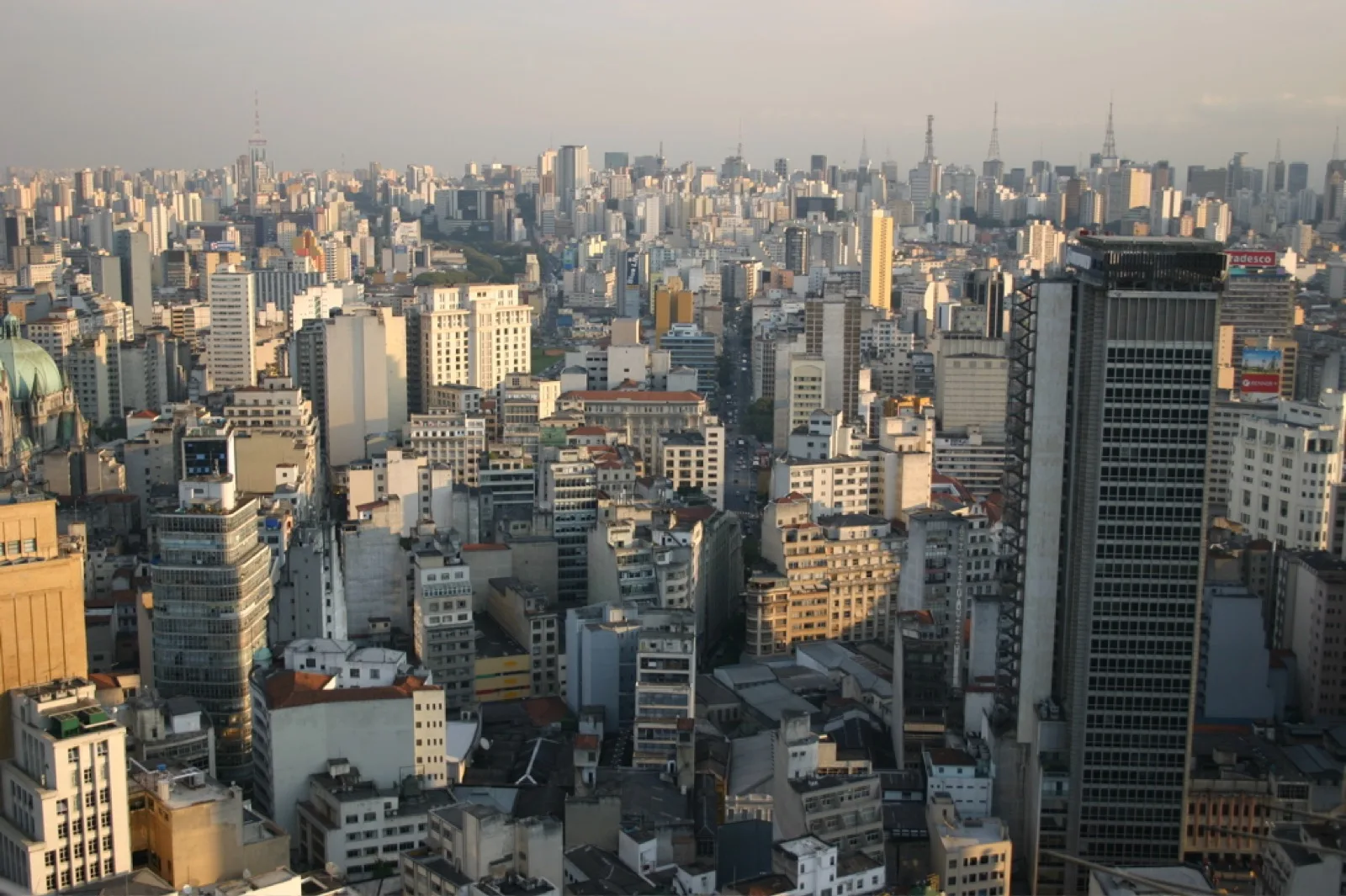
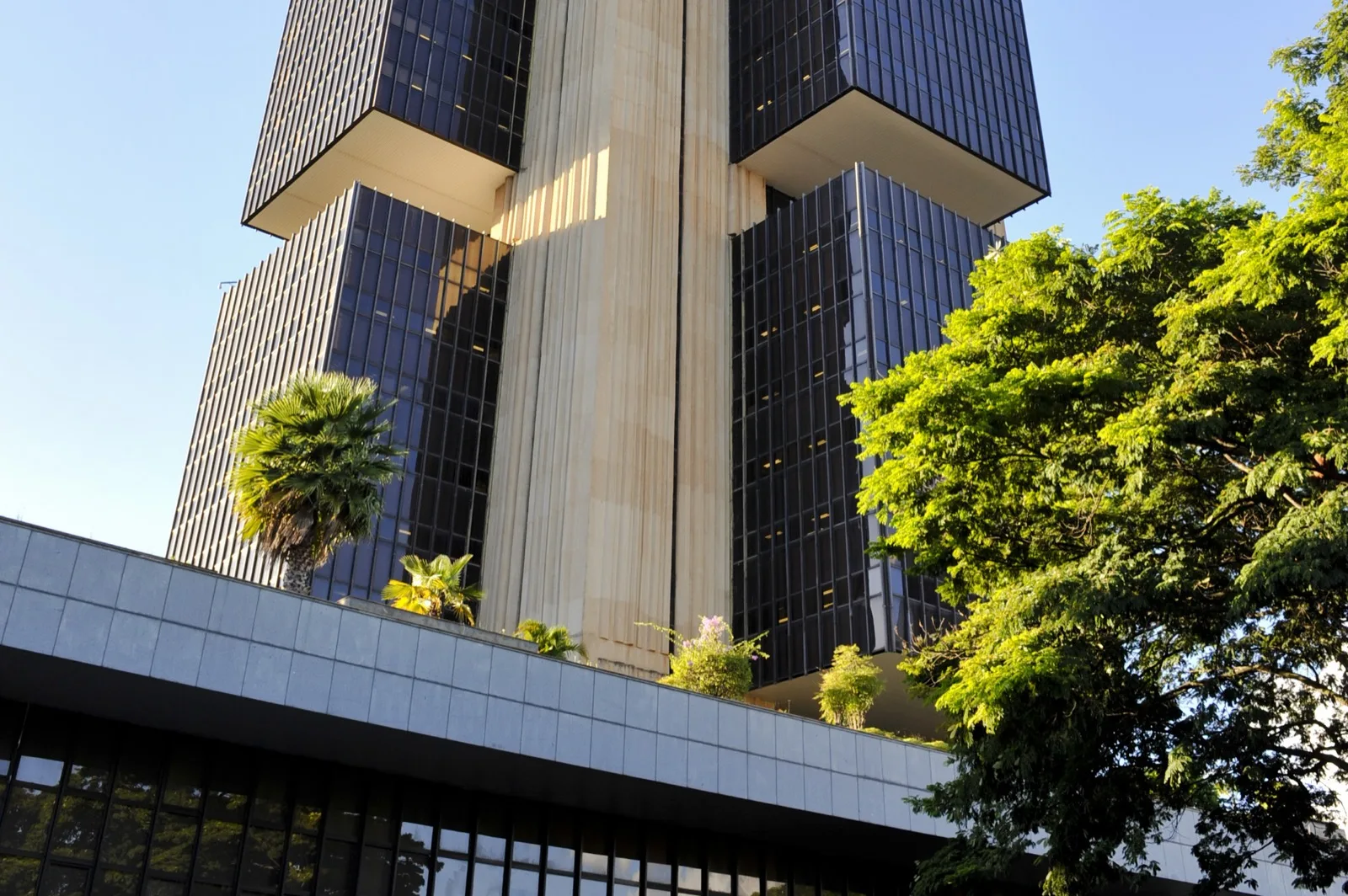
Brazil is the region’s anchor. Equities trade on B3, and the issuer-facing rulebook is set by the Comissao de Valores Mobiliarios, whose Resolucao CVM 80 governs the registration of issuers and the periodic and occasional information they must file. The monetary backdrop is unusually explicit because Banco Central do Brasil publishes its series through an open data service that anyone can query. Its policy rate series was flat at 14.00 across every reading from 05/09/2026 to 16/09/2026, the monthly annualised series read 13.90 for 01/09/2026 after 14.15 in July and 14.64 in April, and the inflation target series sits at 3.00 for 01/01/2026, down from 3.75 for 01/01/2021. High nominal rates against a 3.00 target is the single fact that shapes most Brazilian corporate financing news.
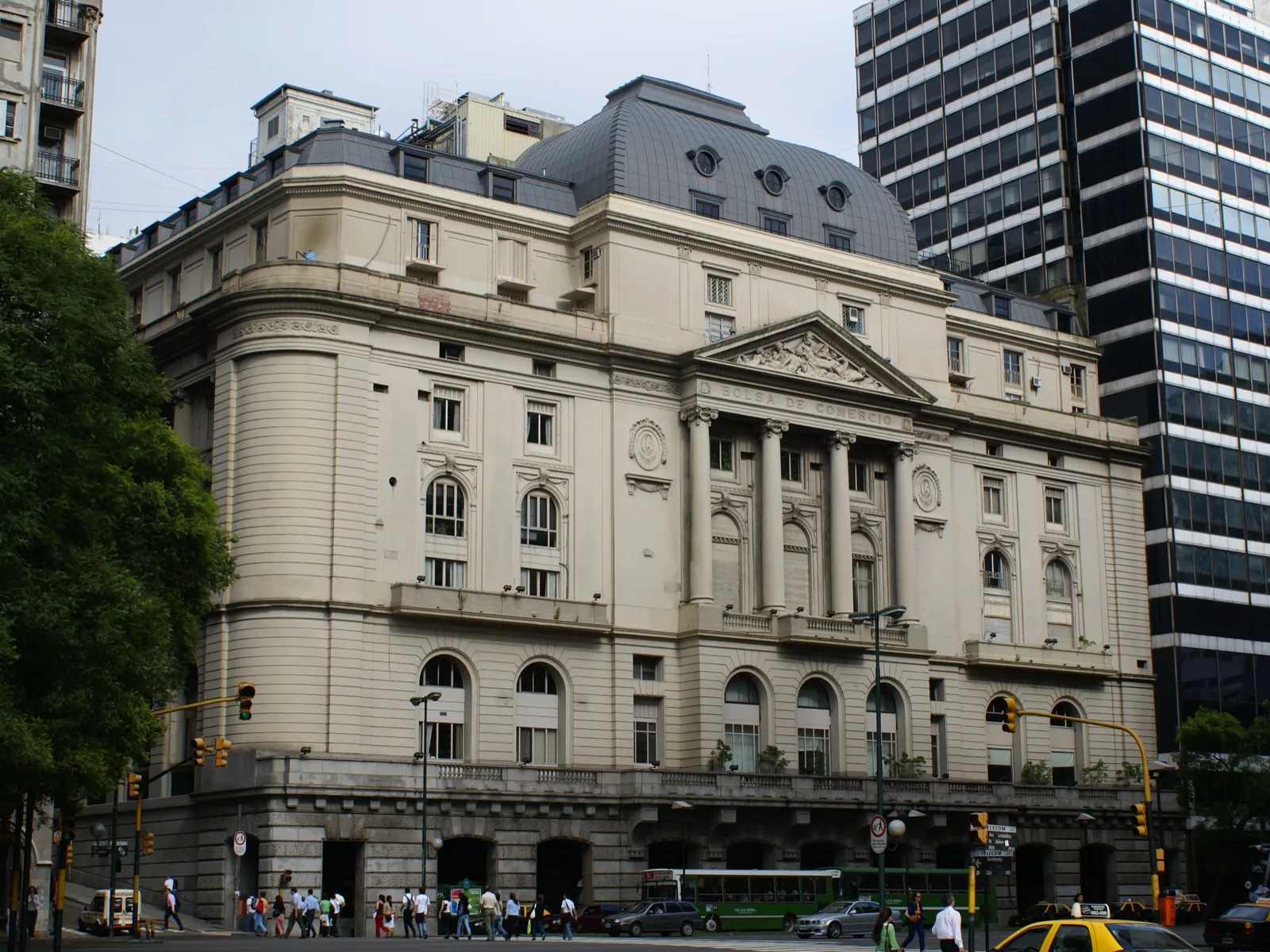
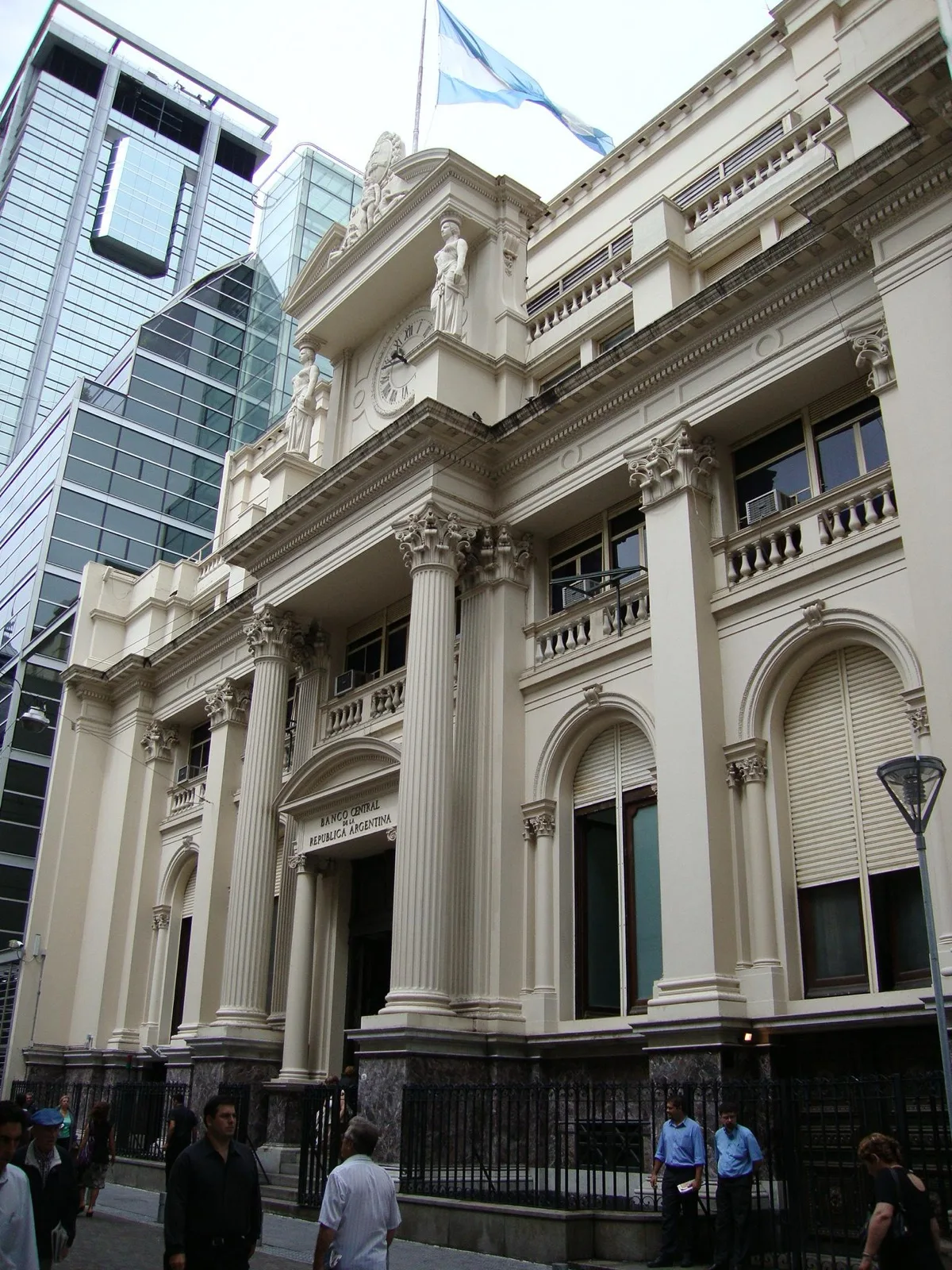
Argentina’s market is defined by its statute. Ley 26.831 regulates the persons and negotiable securities within the capital market and places them under the regulation and control of the Comision Nacional de Valores. The law is unusually programmatic: it directs the regulator to promote participation by small investors, trade unions, business chambers and professional organisations, to widen access for small and medium-sized enterprises, and to build a federally integrated market by interconnecting the trading systems of different venues. Markets themselves are defined as companies authorised by the CNV whose main purpose is to organise transactions in publicly offered securities, and collective investment products, including the mutual funds of ley 24.083 and the financial trusts of ley 24.441, need CNV authorisation for any public offer. The CNV describes its own remit as regulation, supervision, promotion and development of the capital market, and it runs the financial information highway through which issuers file material events.
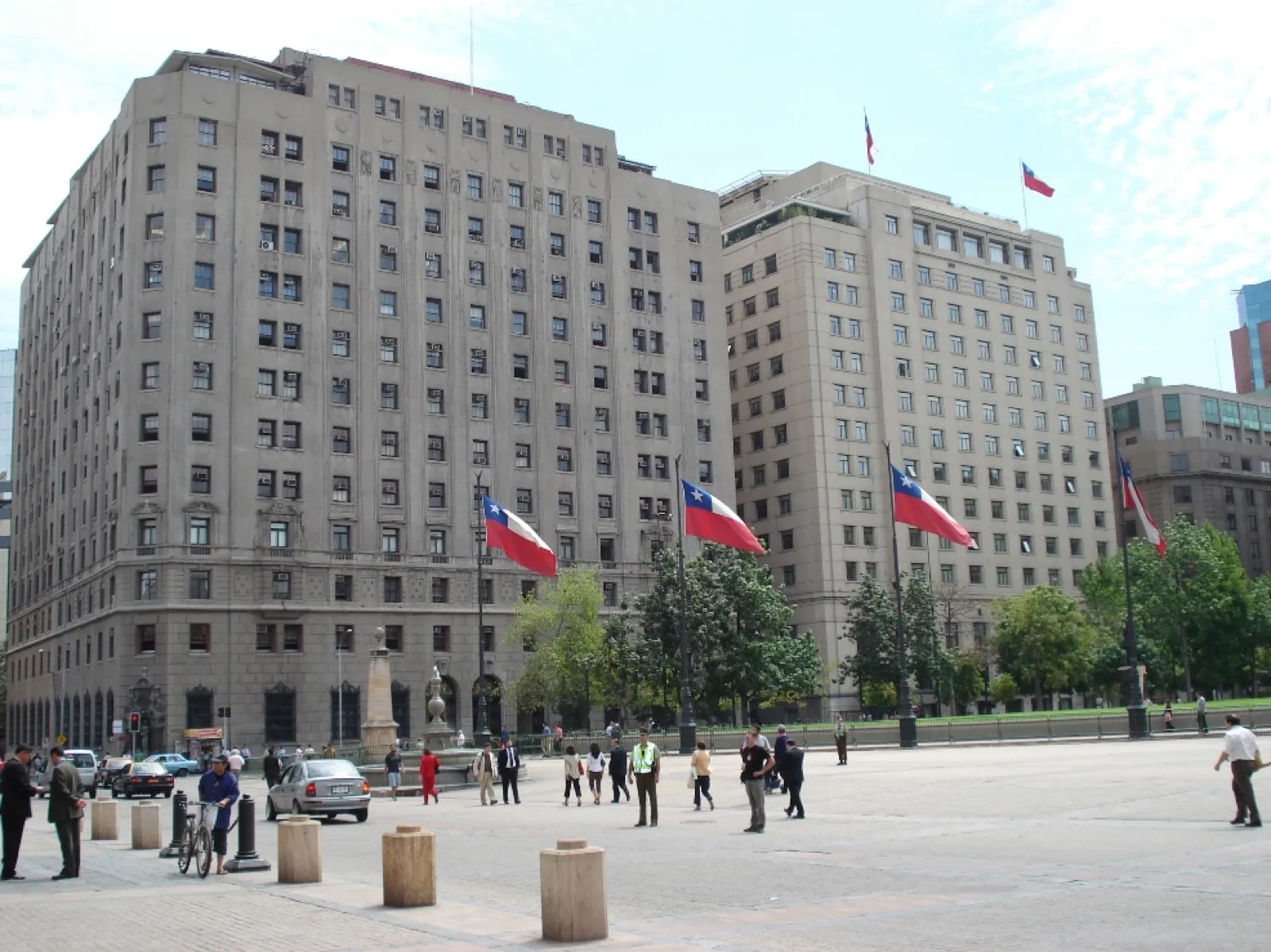
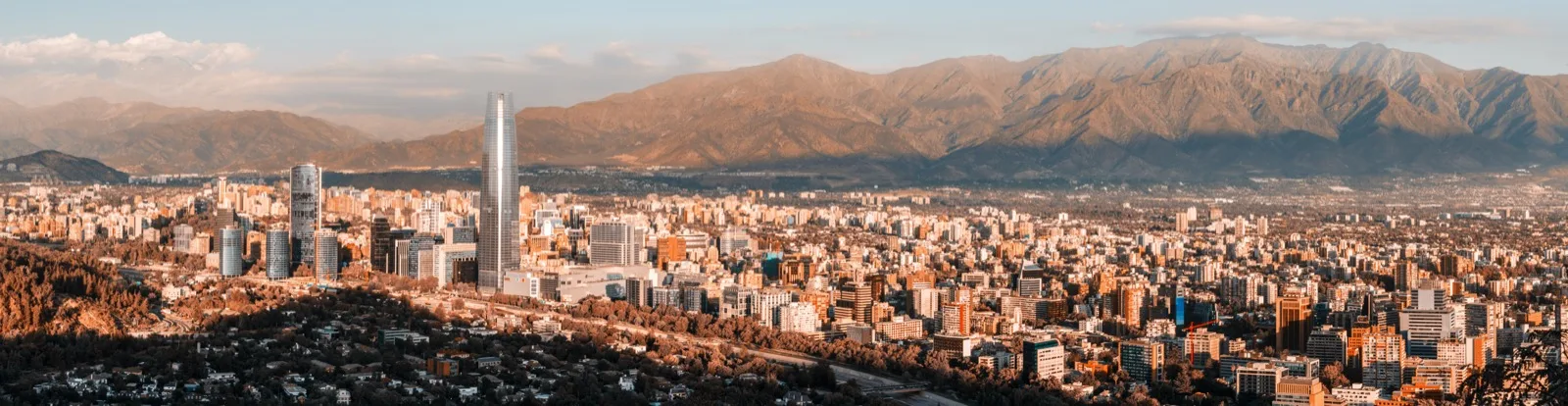
Chile’s regulator, the Comision para el Mercado Financiero, supervises a longer list of entity types than either neighbour publishes in one place, including securitisation companies, and it maintains registries of supervised and registered entities alongside a route for registering debt securities under an automatic registration procedure. Its published reports include the entities that disclose the maximum percentage of directors of one sex on their boards, a disclosure requirement with no direct equivalent in the other two markets.
Index treatment separates them. In the FTSE Equity Country Classification of Markets as at September 2023, Brazil is Advanced Emerging and Chile is Secondary Emerging, while Argentina appears in neither of those columns. GSN covers what the exchanges, regulators and central banks of the three publish, and treats index reclassification as the event that most reliably moves foreign flows in this region.
Sources
This overview is based on the official documents listed below, last checked 2026-09-03. Figures are as stated in those documents.
Lithium Argentina AG finalized a joint venture for its Pozuelos-Pastos Grandes projects and secured a strategic investment from Ganfeng Lithium.
The Chilean chemical and mining company reported a 353.5% increase in net income for the first half of 2026, driven by higher lithium prices and record sales volumes.
Answering B3 Letter No. 253/2026-SLE, Braskem said talks with financial creditors have intensified but that no decision had been reached on restructuring terms.
Cresud will pay the fifth installment of interest and capital on its USD 10,199,068 Series XLV Fixed Rate Notes, with interest of USD 204,540.21.
Chile's Molibdenos y Metales closed its roughly US$40 million acquisition of Rhenium Alloys after United States security clearance, adding American manufacturing.
TIM S.A.'s board approved Program 9, a buyback of up to 55,187,638 common shares worth a maximum of R$1 billion, and closed the previous program on August 12, 2026.
Edenor said YPF accepted its US$780 million offer for 70% of MetroGAS and 5% of MetroENERGIA, with closing subject to gas and power regulator approval.
Embotelladora Andina placed Series J bonds for 2,500,000 Unidades de Fomento at a 2.95% interest rate and a 3.10% coupon, maturing on September 30, 2030.
Afya reported second quarter 2026 revenue of R$972.1 million and net income of R$201.3 million, and returned R$447.9 million to shareholders in the first half.
The Argentine cement producer posted second quarter net sales revenues of Ps. 238,053 million, up 2.1%, with adjusted EBITDA margin down 97 basis points.
CCU reported second quarter 2026 net sales up 4.8% to 607,801 CLP million and EBITDA up 59.4%, while the Chilean beverages group booked a net loss of 20,712 CLP million.
Holders tendered US$1,007,324,000, or 77.49%, of CSN Inova Ventures' 2028 notes into an exchange for new 11.000% notes due 2030 plus cash.
The Argentine gas transporter more than doubled quarterly comprehensive income and confirmed a US$ 3.0 billion final investment decision on its NGLs project.
Entel reported second quarter 2026 consolidated revenues of Ch$780.5 billion, up 8.0%, with EBITDA of Ch$219.6 billion and net income of Ch$25.9 billion.
Gerdau said it closed the acquisition of a 23.03% stake in Dona Francisca Energetica from Copel, with a total cash disbursement of R$150,719,205.75.
IRSA signed a barter agreement for a 2,360 sqm lot with an estimated saleable area of 4,500 sqm in the extended first stage of Ramblas del Plata.
Enel Chile's net income attributable to shareholders reached US$272 million as of June 2026, up 10.7%, with EBITDA of US$685 million and lower hydro generation.
Inter & Co reported second quarter 2026 net income of R$421 million, a 16.3% return on equity and 32% net revenue growth, with funding of R$77 billion.
Resolution No. 1025/2026 admits Pampa Energia's US$4.522 billion Rincon de Aranda development in Vaca Muerta to Argentina's RIGI incentive regime.
A structural accounting rule requires Argentine companies to restate their financial statements in constant currency. Here is how RT 6 works and why it complicates comparing results across companies and periods.
In Chile, the Corporations Law requires publicly listed companies to distribute at least 30% of annual profits, a legal floor that can only be waived with unanimous shareholder agreement.
A look at how the simplified regime the CNV designed for small and medium enterprises reduces disclosure and capital requirements compared with a standard IPO on BYMA.
Understand Juros sobre Capital Próprio (interest on equity), a payout mechanism unique to Brazil that looks like a dividend but follows an opposite tax logic for the company and the investor.

In Chile, artificially stabilizing a stock's price is banned by law. What exists instead is a share buyback program, requiring a two-thirds shareholder quorum plus volume caps and deadlines set out in Corporations Law 18.046.

Learn how the post-IPO lock-up period works on Brazil's B3 exchange, the contractual clause that stops controlling shareholders, executives and some anchor investors from selling shares for months after listing.
The same government bond can turn from pesos into dollars without the money ever crossing a bank border. Here is how contado con liquidación, the MEP dollar, and the CNV's parking rules actually work.
In Chile, crossing the two-thirds threshold of voting shares in a listed company legally requires making a purchase offer to all remaining shareholders on the same terms. Here is how the mandatory tender offer works.
A little-visible mechanism recalculates every day, even on holidays, how much billions of dollars in Argentine debt are worth in pesos. Here is how CER indexation works, and why it should not be confused with currency risk.
A look at how the duty to disclose material facts aims to stop price-sensitive information from reaching some investors before others.
In Chile there is a unit of account that rises in value every day without ever being traded: this is how the UF folds accumulated inflation into the principal and coupons of Chilean debt.
Understand why these securities backed by real estate and agribusiness receivables work differently from traditional corporate debt, and what explains their income tax exemption for individual investors.
Without opening a foreign account or buying foreign currency, an investor can end up exposed to a stock trading thousands of kilometers away. The key lies in custody, the conversion ratio, and an exchange rate no one publishes, but that the price reveals.
A technical look at how borrowed shares are sourced, collateralized and returned in the Chilean market, and why this gear plays a key role in price formation and liquidity.
A shareholder with just a handful of shares can receive the same price paid for control. Here's how public acquisition offers work in Argentina's market.
How Brazil's Corporations Law and B3's Novo Mercado tag-along rules require an acquirer of a company's control to extend its buyout offer to minority shareholders.
The CMF requires Chilean companies to immediately disclose any fact a reasonable investor would consider material. Here's how that disclosure mechanism works.
An overview of the periodic reporting and material-facts regimes through which Argentina's securities regulator monitors what listed companies tell the market.
An investor can wake up with triple the shares in their portfolio without having bought anything else. Understand the mechanics behind stock splits and why they don't alter your invested wealth.
Equity futures in Chile's market let investors fix a buy-sell price today for a future date without putting up the full share value. Here's how the mechanism works and how it differs from buying stock at spot.
How an IPCA-indexed security combines a fixed rate with inflation changes, and why the value shown on your statement shifts every day even without any sales.
When a country borrows in dollars instead of its own currency, it takes on a risk determined by the currency's value on payment day, not by domestic policy.
In Chile, an IPO's placement price isn't negotiated between underwriters and institutional investors: it is freely set by the issuing company's shareholders' meeting under Corporations Law 18.046, before the stock begins trading.
Behind the headline that makes a stock soar or crash lies a number almost nobody pays attention to but that everyone follows: the analysts' consensus estimate.
A technical overview of public bond restructuring mechanisms, the clauses that bind minority investors, and the differences between participating and opting out.
A guide to how corporate bonds work in Chile and the process behind the risk ratings that rating agencies assign to them.
Why follow-on offerings sidestep much of the legal engineering required for an IPO, and how this changes the risk for buyers.
Some Argentine bonds include an additional instrument that only pays out when economic growth exceeds certain thresholds. Here's how it's calculated and how it's triggered.
A look at the mechanics that make Chile's pension funds among Santiago's most influential market actors, and why they need only rebalance their portfolios to move prices.
How a debenture works, why it carries no voting rights or dividends, and how its interest is usually calculated.
Before any security debuts on the exchange, a multi-week process unfolds where major investors confidentially reveal how much they would pay for a stake in the company. Here's how bookbuilding works.