 lobal Securities News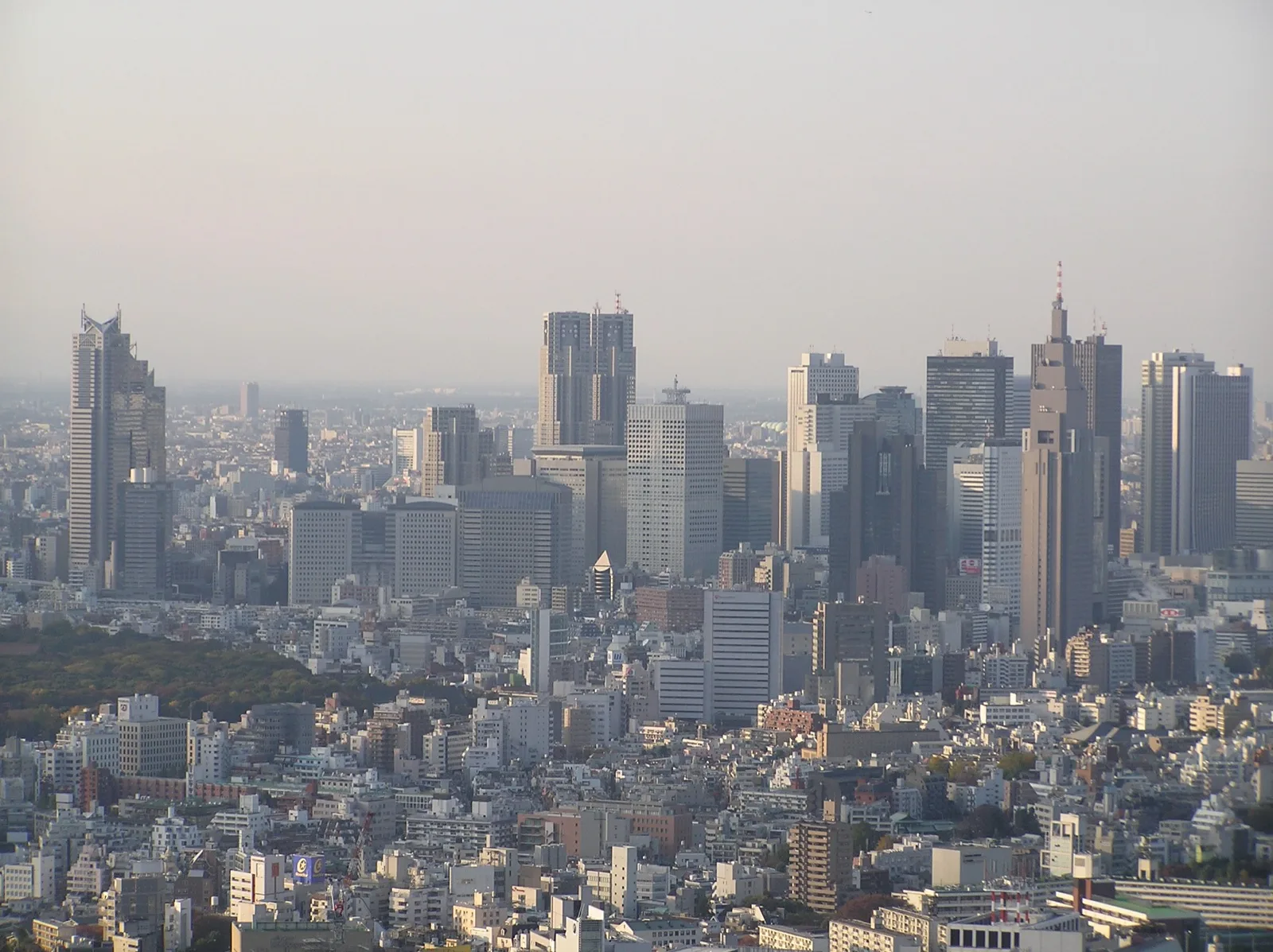
TOYO reports first-half revenues of $261.0 million as Texas module output builds
The Tokyo based solar cell and module maker lifted first-half revenue 87.6% to $261.0 million and net income to $45.8 million, and flagged uncertainty over US policy.
Latest equities, bonds, and regulatory news from Japan, updated daily.
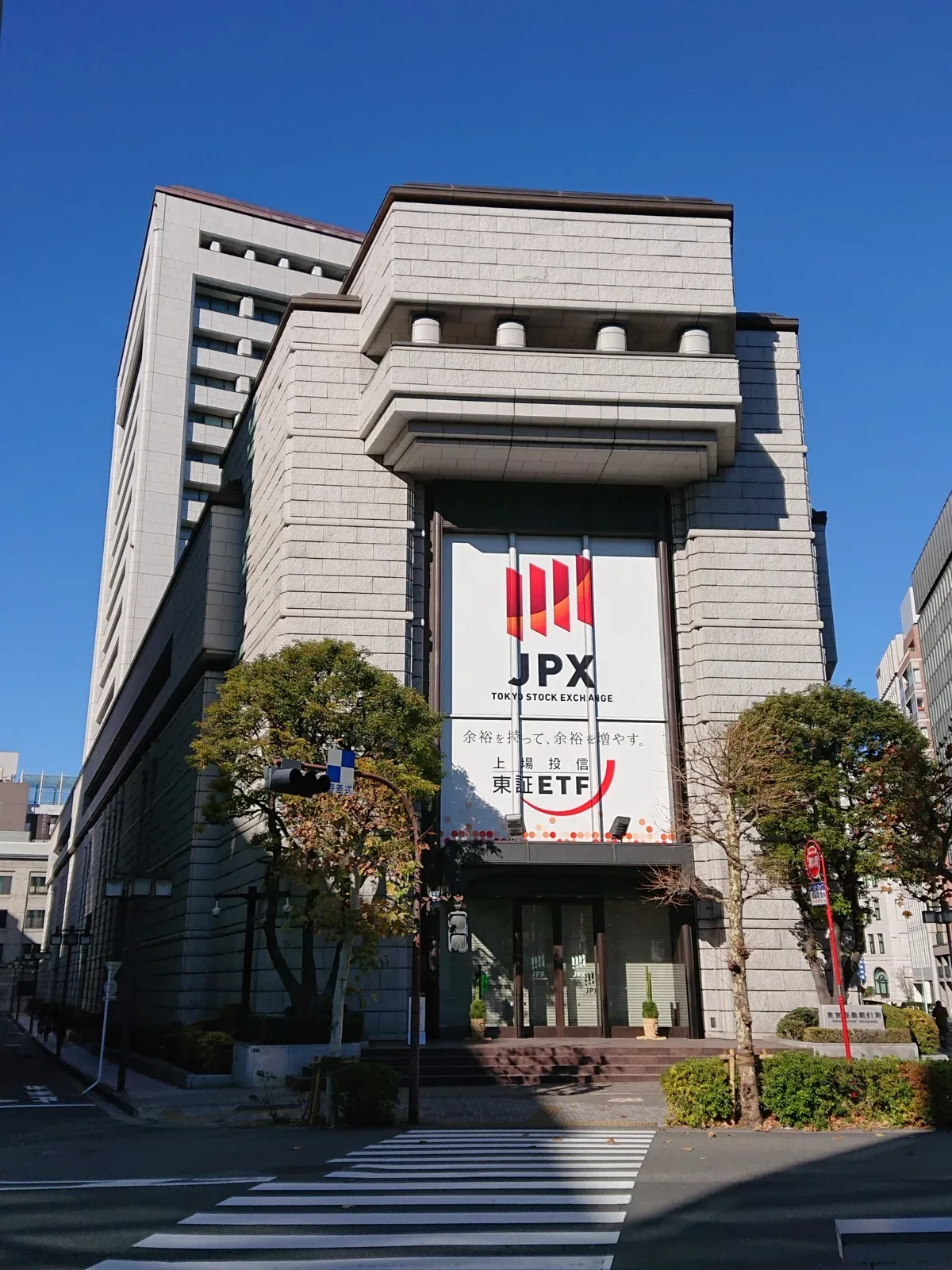
Japan’s cash equity market is operated by Tokyo Stock Exchange, Inc., part of Japan Exchange Group. TSE runs four markets: Prime, Standard, Growth and the TOKYO PRO Market. Prime is defined for companies with market capitalisation and liquidity suited to institutional investors and a higher quality of corporate governance; Standard sets the basic governance level expected of a listed company; Growth is for companies disclosing business plans for high growth potential that carry relatively high investment risk on track record. TOKYO PRO Market sits apart, created under the professional-oriented market system introduced by a 2008 amendment to the Financial Instruments and Exchange Act, where exchange-approved J-Advisers, not the exchange, conduct the listing examination and support the company afterwards.
The scale is set out in TSE’s own count. As of Sep. 02, 2026 the exchange listed 1,549 companies on Prime, 1,557 on Standard, 598 on Growth and 187 on TOKYO PRO Market, a total of 3,891, of which 5 are foreign companies. That total has drifted down through the year: it was 3,933 at Jan. 31, 2026 and 3,892 at Aug. 31, 2026, so consolidation and delisting have been running ahead of new listings.
The market regulator is the Financial Services Agency, which sets the guidelines, administers the Financial Instruments and Exchange Act and publishes administrative actions against regulated institutions. TSE itself writes and enforces the trading rules. Auction trading runs in two sessions, a morning session from 9:00 am to 11:30 am and an afternoon session from 12:30 pm to 3:30 pm, with orders accepted from 8:00 am and 12:05 pm respectively. The market is closed on Saturdays, Sundays, national holidays, from January 1 to January 3 and on December 31. Prices are contained by daily price limits set in absolute yen against the previous day’s closing price, and those limits are widened on the third business day when an issue closes locked at the limit with no trading for two consecutive business days. Everything runs on the arrowhead matching system, in place since January 4, 2010; the physical trading floor closed on April 30, 1999.
The headline benchmark is TOPIX, the Tokyo Stock Price Index, a free-float adjusted market capitalisation weighted index covering domestic common stocks across Prime, Standard and Growth. Its base date is January 4, 1968 at 100 points and it has been calculated since Jul. 1, 1969. Issues on Special Alert, issues designated as securities to be delisted and very recently listed issues are excluded.
Alongside equities sits one of the world’s largest sovereign debt programmes. The Ministry of Finance issues Japanese Government Bonds under an annual JGB Issuance Plan, sells them through auctions to a primary dealer group under the JGB Market Special Participants Scheme, and also issues Treasury Discount Bills and Japan Climate Transition Bonds. GSN covers Japanese listed company disclosure, TSE market structure and index changes, FSA rulemaking and the JGB programme.
Sources
This overview is based on the official documents listed below, last checked 2026-09-03. Figures are as stated in those documents.
The Nasdaq listed operator of children's sports schools is consolidating its Japanese and US audits under one firm, and restated the material weaknesses reported in its latest annual report.
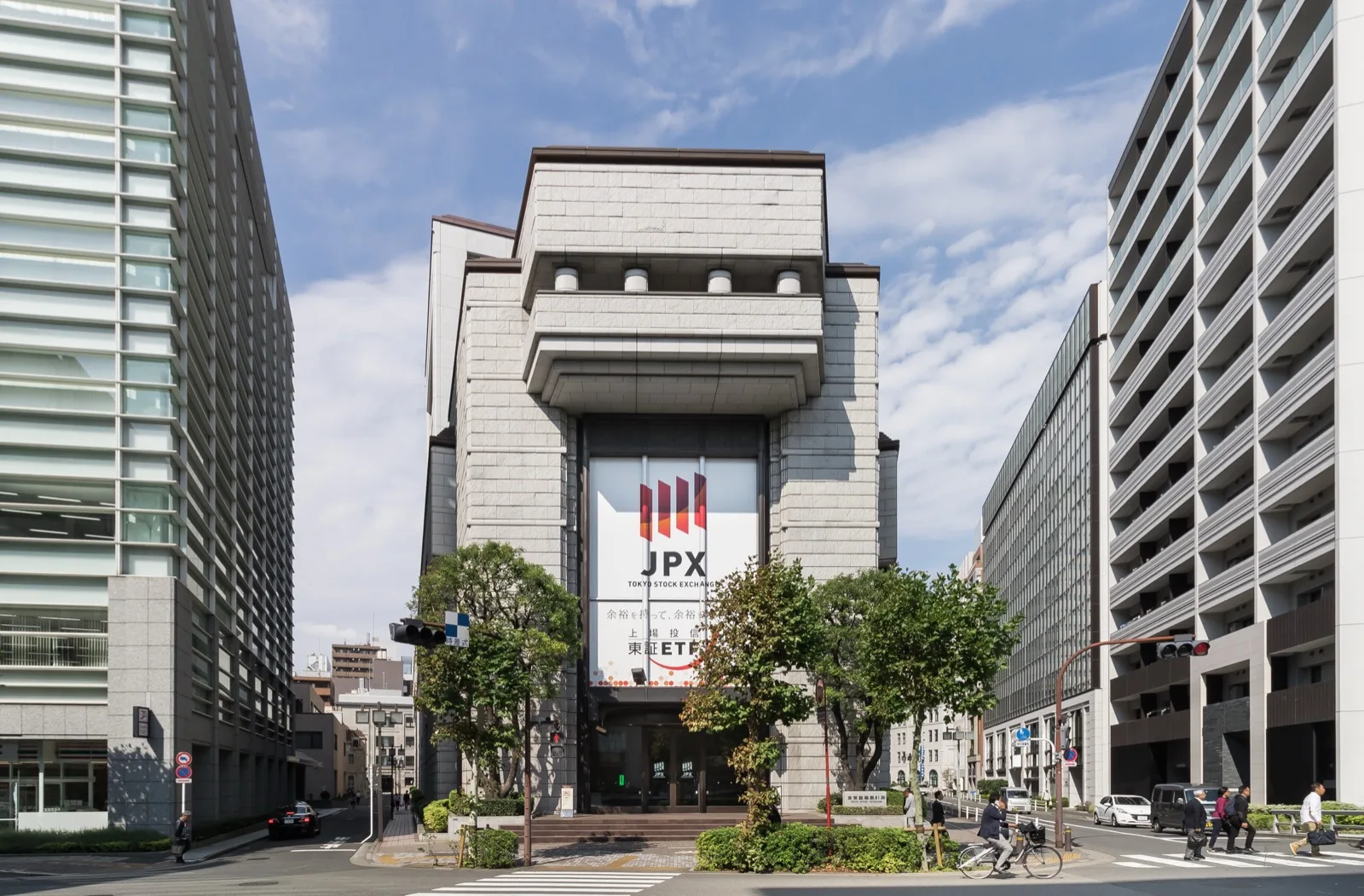
The Tokyo based solar cell and module maker lifted first-half revenue 87.6% to $261.0 million and net income to $45.8 million, and flagged uncertainty over US policy.

ispace's subsidiary ispace-EUROPE announced it has been awarded a EUR65 million ESA contract for the remaining work on MAGPIE, Europe's first lunar polar ice-prospecting rover.

The Nasdaq listed Japanese retailer set a September payment window for its year-end dividend after a fiscal year in which revenue rose 77.6% to $373.2 million.
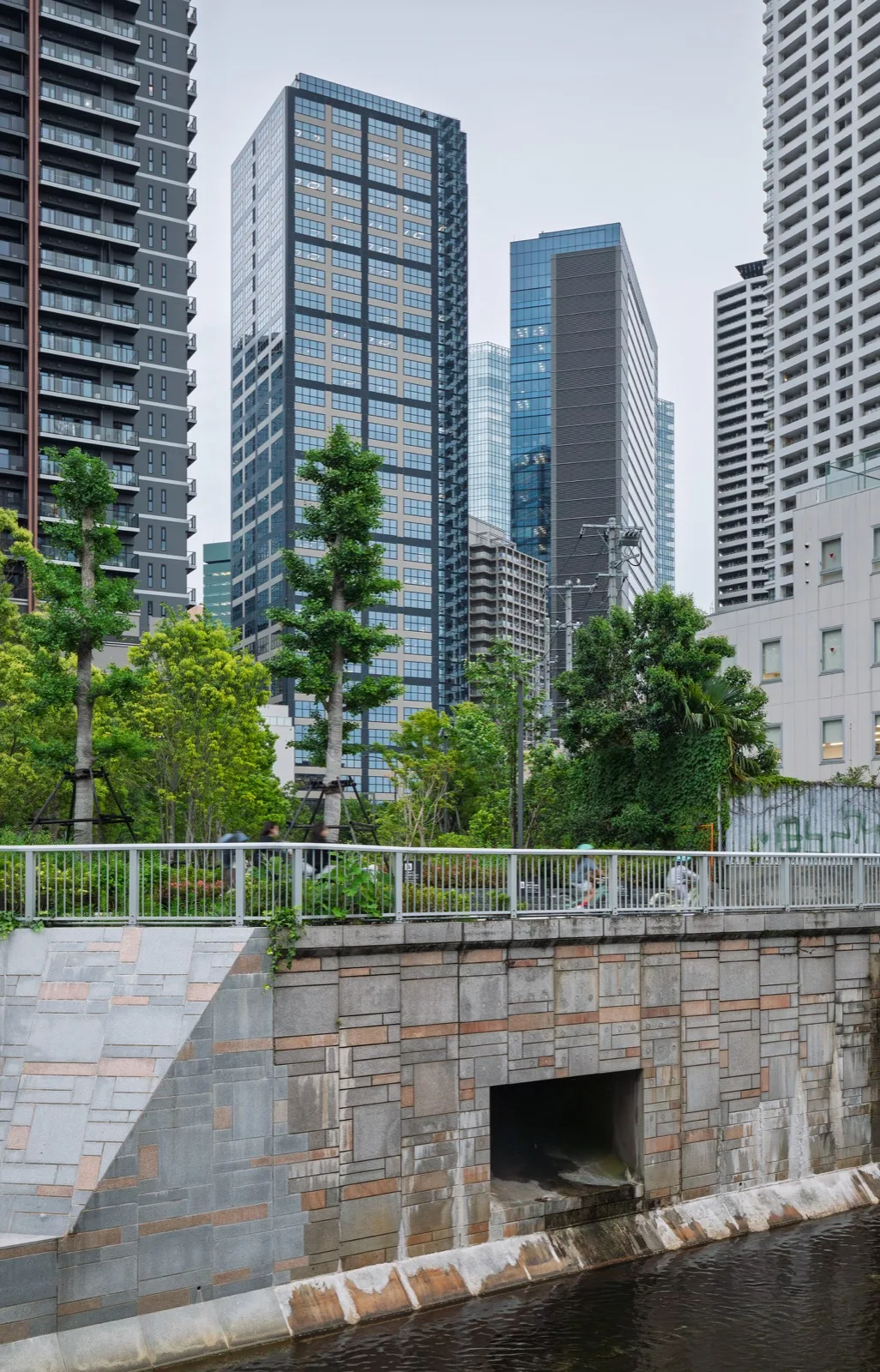
The autonomous driving systems developer priced its offering at the top of its indicated range and listed on July 22, 2026, selling 17,449,600 newly issued shares.
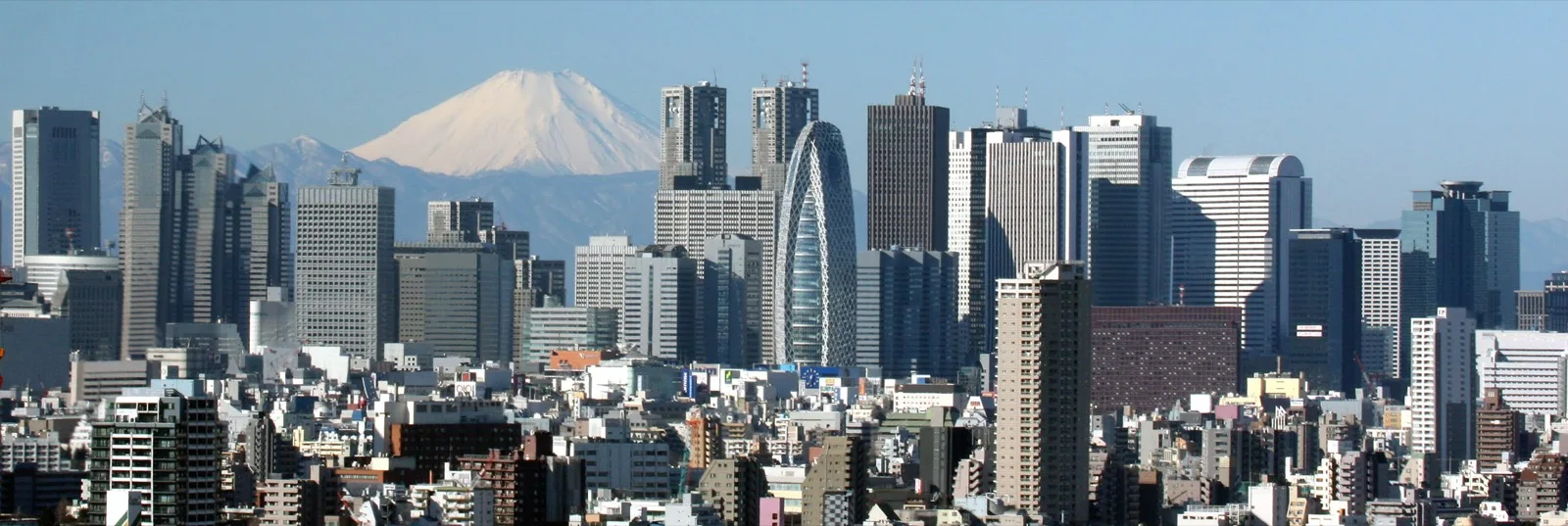
The Tokyo based Nasdaq listed company signed a sales agreement with Craft Capital Management to sell up to $16,000,000 of Class A ordinary shares over time.
The Tokyo networking company issued 20,000,000 Class A preferred shares at $0.25 for gross proceeds of $5,000,000, with governance rights attached.
Japanese companies release a same-day earnings flash report, then a far more detailed securities report months later on EDINET. Here is how the two differ, and when a revised forecast must be disclosed.
In an IPO, underwriters narrow a price range into a single offer price through book building, then use an over-allotment, or green shoe, option to help steady the stock once trading begins.
An explainer on the large shareholding report triggered at 5% ownership, the change reports required for every subsequent 1% move, and how this differs fundamentally from tender offer rules.
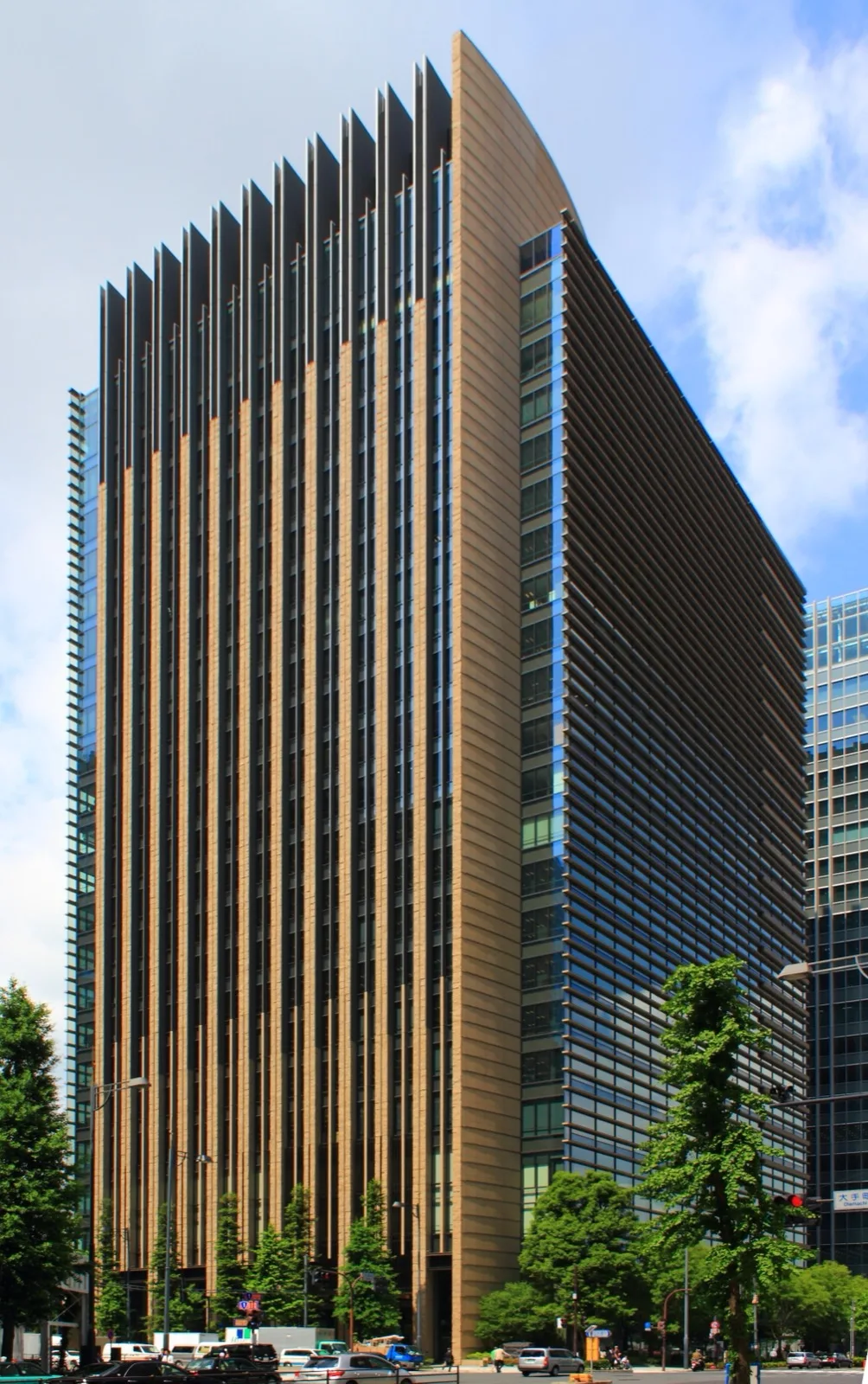
Japan's long-term government bond futures are benchmarked to a standardized, hypothetical bond, yet settlement draws on a basket of real bonds, one of which typically becomes the cheapest to deliver. Here is how the mechanism works.
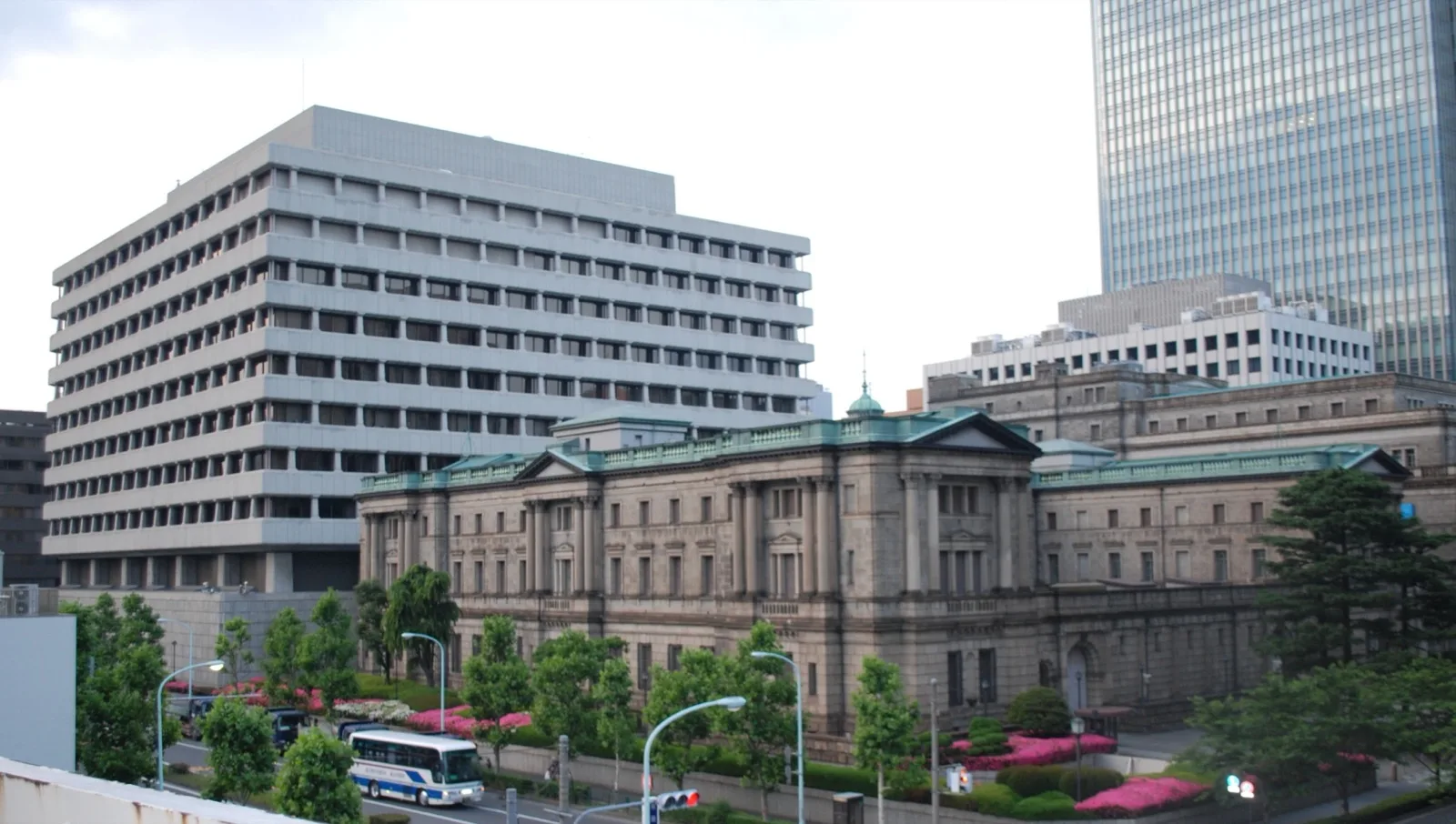
Japan's margin trading system combines exchange-prescribed "system margin trading" with brokerage-negotiated "general margin trading"; this piece explains how a special cost called gyakuhibu (reverse interest) arises when short sellers crowd into hard-to-borrow stocks.

Japan's Financial Instruments and Exchange Act determines what counts as 'material facts' through a combination of pre-enumerated items and numerical thresholds.
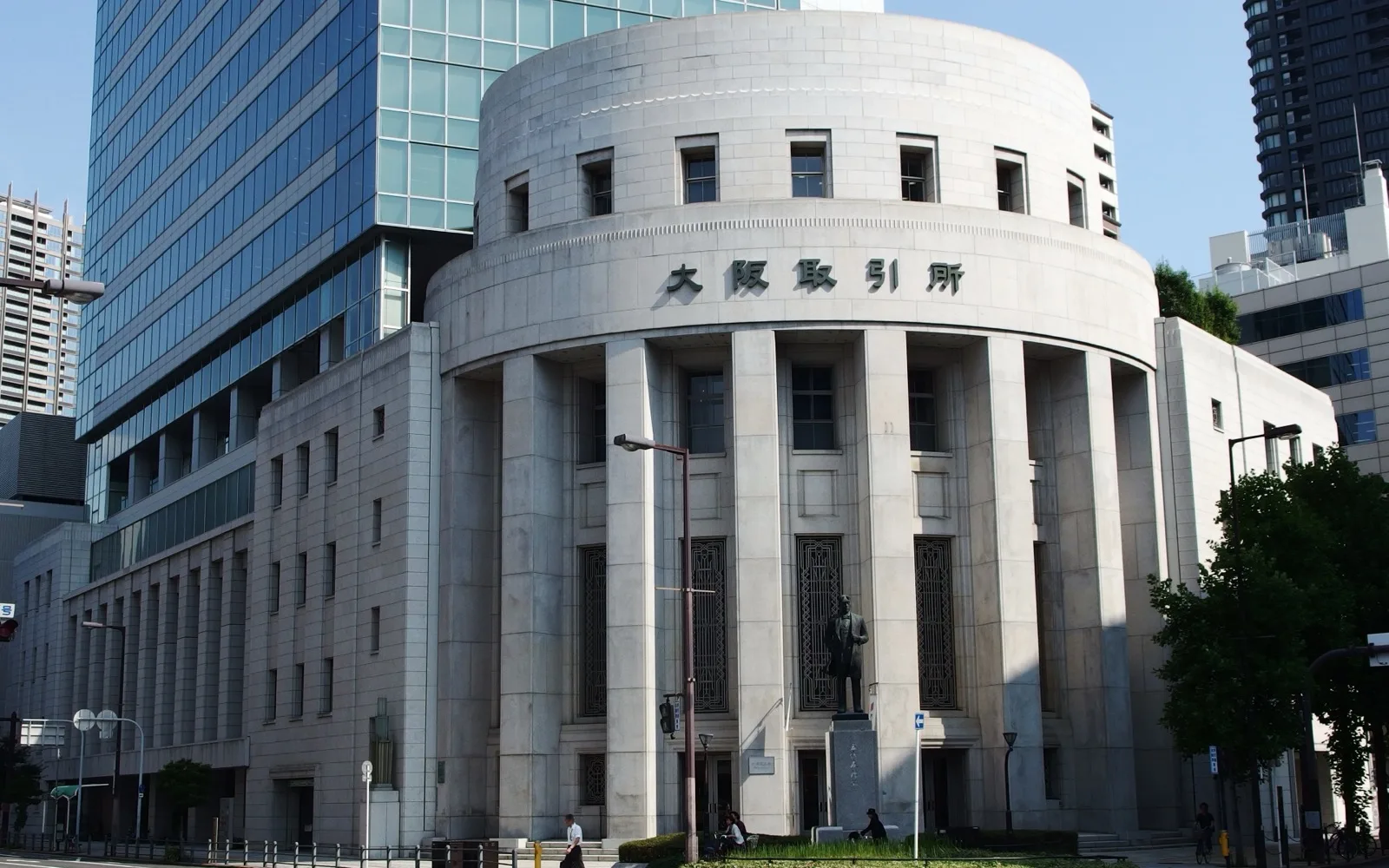
Though both are share buybacks, gradually buying through an exchange and announcing a price and period for a lump-sum purchase differ completely in the company's purposes and effects on shareholders.

Each government bond auction publishes a 'winning bid yield': here's who calculates it, what procedures they follow, and how the mechanism actually works.
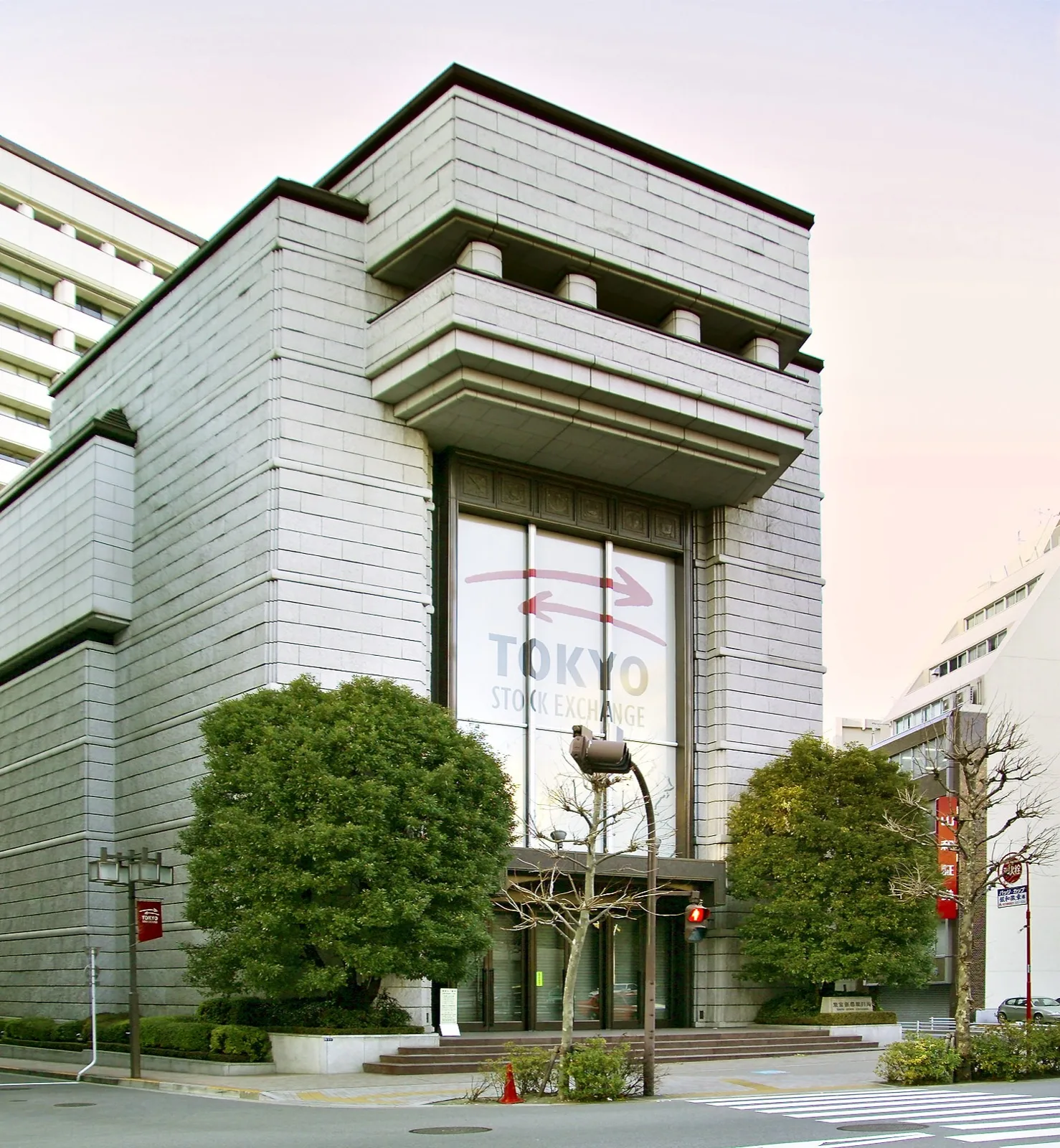
Dividend yield is simply dividend divided by stock price, but when the stock price falls, the yield automatically rises. Paired with the dividend payout ratio practices unique to Japanese companies, the true meaning of this metric becomes clear.
How the Tokyo Stock Exchange's daily price limits cap a stock's move, and how they interact with special quotes and circuit breakers.