lobal Securities News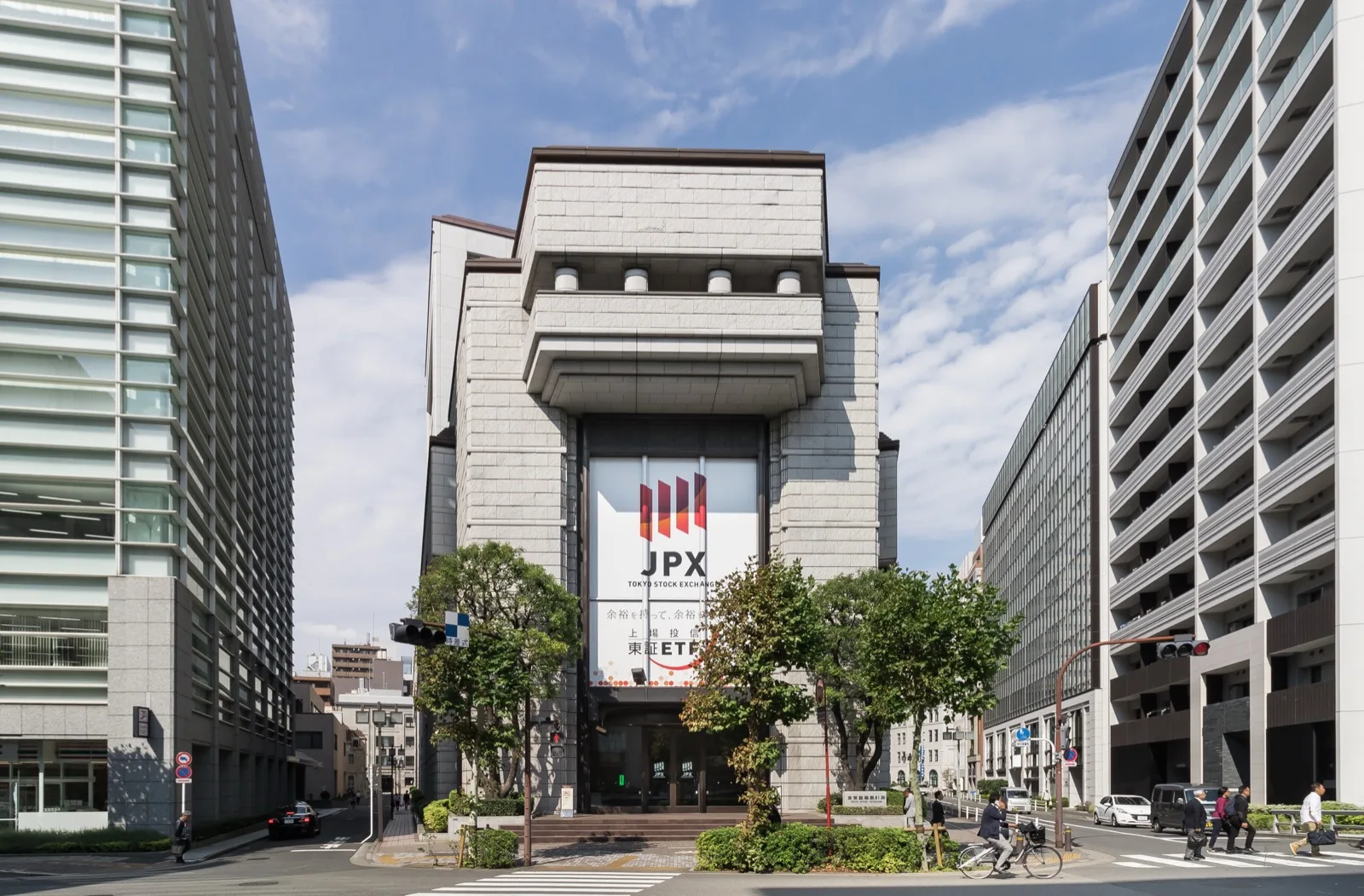
LEIFRAS Co., Ltd. (NASDAQ: LFS) is replacing its auditor. The Tokyo operator of children’s sports schools and school club activity support services said on August 25, 2026, in a Form 6-K and an accompanying press release, that it had appointed Forvis Mazars Japan Audit LLC in place of WWC, P.C. The audit and supervisory committee resolved on July 13, 2026 not to renew or negotiate new terms with WWC, and the board did the same on August 14, 2026.
The dismissal takes effect immediately after WWC completes its review of the condensed consolidated financial statements for the third quarter of the fiscal year ending December 31, 2026. Forvis Mazars takes over from the audit of the consolidated financial statements for that same fiscal year. The company said it will file an amendment carrying the specific date of dismissal once WWC’s services are complete.
What the filing says about the outgoing auditor
WWC’s reports on the financial statements for the fiscal years ended December 31, 2025 and 2024 contained no adverse opinion or disclaimer of opinion and were not qualified or modified as to uncertainty, audit scope or accounting principles. The company reported no disagreements with WWC on accounting principles or practices, financial statement disclosure, or auditing scope or procedure over that period. WWC was asked to furnish the U.S. Securities and Exchange Commission with a letter stating whether it agrees, and that letter was filed as Exhibit 16.1.
The filing does disclose reportable events. Management reported material weaknesses under Item 15 of the annual report on Form 20-F for the fiscal year ended December 31, 2025, filed on April 8, 2026. Those were a lack of sufficient accounting personnel with knowledge and experience of U.S. GAAP and SEC reporting requirements to prepare and review the consolidated financial statements, a lack of formalised financial reporting controls and procedures for complex or unusual transactions, and a lack of effective controls over parts of the information technology environment, including segregation of duties, user access, third-party service provider management and change management within the systems that support financial reporting.
The annual report also sets out the remedial steps under way: hiring additional accounting and financial reporting personnel with U.S. GAAP experience, expanding training for accounting staff, and engaging external consultants to help design controls for compliance with the Sarbanes-Oxley Act of 2002. As an emerging growth company that completed its initial public offering on October 10, 2025, LEIFRAS is not yet required to include a management report on internal control over financial reporting; that obligation begins with the annual report for the second fiscal year following the offering.
One firm instead of two
The stated reason for the change is structural rather than remedial. LEIFRAS has historically engaged two separate audit firms, one for the audit conducted under the standards of the Public Company Accounting Oversight Board and one for the statutory audit under the Companies Act of Japan. The appointment begins a phased transition to a unified audit framework across Japan and the United States inside one global audit organisation.
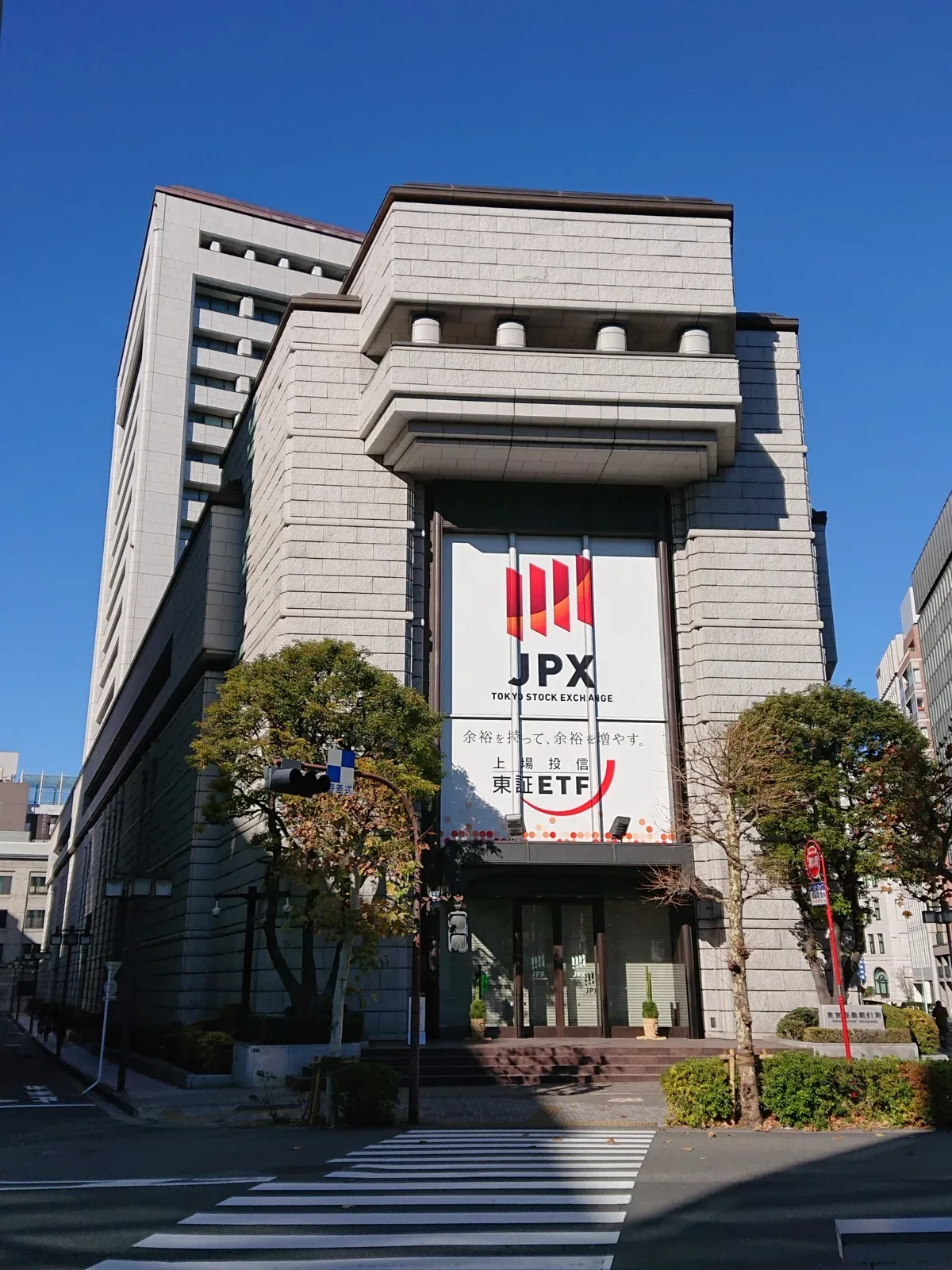
The company said it expects the consolidation to streamline regulatory compliance, improve audit coordination and make financial reporting more consistent, and to optimise audit-related costs over the medium to long term, with savings reinvested in accounting infrastructure and governance. It also tied the appointment to its previously announced potential dual listing on the Tokyo Stock Exchange.
The business behind the filing
LEIFRAS reported revenue of JPY11,728.4 million ($74.80 million) for the fiscal year ended December 31, 2025, up JPY1,398.7 million, or 13.5%, from JPY10,329.7 million ($65.88 million) a year earlier. Sports school revenue rose 7.8%, helped by an increase in event hosting revenue as the number of customers who joined events rose from 188,933 to 202,684, a count that measures attendances rather than individuals. Social business revenue, which covers school club support and after-school daycare, rose 32.8%, with school club support up JPY624.4 million on contract gains in the Nagoya area.
Net income was JPY438.5 million ($2.80 million) against JPY418.6 million ($2.67 million), and operating cash flow was JPY468.3 million ($2.99 million) against JPY207.1 million ($1.32 million). As of December 31, 2025 the company had JPY100.0 million of short-term loans, JPY151.3 million of current portion of long-term loans and JPY24.4 million of long-term loans outstanding. Directors, executive officers and major shareholders together own approximately 52.32% of the ordinary shares. The company has kept acquiring: on July 1, 2026 it completed a stock transfer for SWIFT JAPAN Co., Ltd. under an agreement dated June 23, 2026, paying cash and taking on the target’s childcare businesses.
Analysis: an auditor change read through the listing plan
The disclosure addresses the outgoing firm directly. WWC’s reports for the two fiscal years covered carried no adverse opinion, disclaimer or qualification, and the company reports no disagreements with WWC on accounting principles, disclosure, or audit scope or procedure. The clean opinion history and the explicit statement of no disagreements are the standard language, and the reportable events cited are the material weaknesses management itself reported in April, not findings the auditor raised on the way out. The unusual element is the timing inside the fiscal year, with WWC finishing the third quarter review and Forvis Mazars picking up the full-year audit of the same year, which means two firms touch one reporting cycle.
The dual listing framing is what makes the change legible. A Japanese company already listed abroad that seeks a Tokyo listing is examined on the same criteria used for domestic initial public offerings, and those criteria are numerical. Tokyo’s Standard Market requires positive net assets and profit for the last one year of at least 100 million yen, 400 shareholders, 2,000 units of tradable shares, tradable share market capitalisation of 1,000 million yen and a tradable share ratio of 25%. The Growth Market drops the profit and net asset tests but still requires 150 shareholders, 1,000 units, tradable share market capitalisation of 500 million yen and the same 25% ratio, and it adds a market capitalisation test of 4,000 million yen after 10 years of listing. LEIFRAS reported net income of JPY438.5 million for the last fiscal year, well above the Standard Market profit threshold.
Where the material weaknesses matter is not the numbers but the examination. A Tokyo listing application is assessed on the reliability of financial reporting alongside the formal tests, and the company has disclosed three material weaknesses in internal control over financial reporting together with the remedial steps under way. The company states that running one audit organisation across both the PCAOB audit and the Companies Act statutory audit is intended to improve audit coordination and the consistency of financial reporting, and its own language ties the appointment to governance as well as to cost.
What the filing does not establish is a timetable. There is no application date, no chosen market segment, no underwriter and no confirmation that a dual listing will proceed at all; the press release says potential. A reader tracking this would watch three things: the amendment naming the effective dismissal date, whether the fiscal 2026 annual report still reports the same three material weaknesses, and whether any listing application appears on the exchange’s approval list, which is where a Tokyo listing becomes a fact rather than an intention.