 lobal Securities News
BUUU Group to Acquire Brightray Stake and Raise $60 Million
BUUU Group Limited announced a definitive agreement to acquire a majority stake in Brightray Science Inc. and raised over $60 million in private placements.
Latest equities, bonds, and regulatory news from Hong Kong, updated daily.
Hong Kong’s cash equity market runs on The Stock Exchange of Hong Kong Limited, a subsidiary of Hong Kong Exchanges and Clearing. Company conduct and listing eligibility are governed by the Rules Governing the Listing of Securities, which the Exchange administers under the oversight of the Securities and Futures Commission, the statutory regulator. Monetary policy sits with the Hong Kong Monetary Authority, which has run the Linked Exchange Rate System since 17 October 1983 and holds the Hong Kong dollar within a band of HK$7.75-7.85 to one US dollar. That peg is the single most important structural fact about the market: it removes currency policy as a variable and pushes local interest rates to track US rates.
The Exchange operates two boards. Main Board applicants must clear one of three financial tests under rule 8.05. The profit test asks for profit attributable to shareholders of not less than HK$35,000,000 in the most recent year and not less than HK$45,000,000 in aggregate across the two preceding years, on a trading record of at least three financial years. The market capitalisation, revenue and cash flow test asks for market capitalisation of at least HK$2,000,000,000 at listing, revenue of at least HK$500,000,000 in the most recent audited year, and positive operating cash flow of at least HK$100,000,000 over three years. The market capitalisation and revenue test raises the capitalisation bar to HK$4,000,000,000. GEM, the second board, is the smaller-company route: rule 11.12A accepts a cash flow test of at least HK$30,000,000 in aggregate over two financial years, or a research-led test requiring market capitalisation of at least HK$250,000,000, revenue of at least HK$100,000,000 over two years and research and development spending of at least 15% of total operating expenditure.
Free float is set by size. Rule 8.08 requires 25% of a class in public hands where the expected market value at listing does not exceed HK$6,000,000,000, falling to a floor of 15% between that level and HK$30,000,000,000 and to 10% above it, with at least 300 shareholders and no more than 50% of the public float held by the three largest public holders.
The benchmark is the Hang Seng Index, launched on 24 Nov 1969 and reviewed quarterly, with 93 constituents and an 8% cap on any single stock. As at 31 Jul 2026 its constituents carried a total market value of HK$31,318,941 million, covering 66.75% of the eligible Main Board universe by market value and 51.98% by turnover. Banks, insurers, Chinese mainland issuers listed through H shares, property companies and internet platforms dominate the top of that list.
Debt is the market’s other half. Hong Kong arranged more than US$130 billion of international bond issuance in 2024, around 30% of the regional total and the ninth time it led Asia since 2015. Government borrowing runs through the Exchange Fund Bills and Notes Programme, the Government Bond Programme, the Government Sustainable Bond Programme and the Infrastructure Bond Programme, the last two sharing a HK$500 billion ceiling. GSN covers listings and secondary offerings on both boards, HKEX and SFC rule changes, and issuance under those government programmes.
Sources
This overview is based on the official documents listed below, last checked 2026-09-03. Figures are as stated in those documents.
Silicon Motion Technology (NasdaqGS: SIMO) has scheduled its third quarter 2026 results for late October. The company, which describes itself as the global leader in NAND flash controllers, cites trade and supply chain pressures among its risks.
BUUU Group Limited announced a definitive agreement to acquire a majority stake in Brightray Science Inc. and raised over $60 million in private placements.
The Hong Kong-based company listed on NASDAQ has completed a registered direct offering of Class A ordinary shares and pre-funded warrants.
The Hong Kong financial printer said customers reached a record 550 as of June 30, 2026, while IPO filing submissions to HKEX rose 482% year over year.
The Hong Kong AI and robotics group said its Axonex unit will co-develop a commercial grade service robot, with about 1,000 units planned for the forthcoming year.
The Hong Kong staffing and senior care group reported over 42% year-over-year logistics revenue growth and a record HK$4.4 million monthly revenue in June 2026.
The Hong Kong security services provider said Nasdaq confirmed it meets the minimum bid price requirement, keeping its Class A shares listed after a share consolidation.
The Hong Kong logistics group said Nasdaq gave it until February 8, 2027 to lift its market value of listed securities back to US$35 million.
The Hong Kong wet trades subcontractor will issue 1,377,000 Class A shares for a 20% stake in Beta Beteiligungs und Besitz GmbH, valued at US$23,400,000 in full.
Hong Kong's Securities and Futures Ordinance Part XIVA requires listed companies to disclose inside information about a material earnings variance as soon as reasonably practicable, not wait for the scheduled results date. Here is how the mechanism works.
From issuance to cross-border settlement, this explainer details how the Hong Kong Monetary Authority's Central Moneymarkets Unit (CMU) safely exchanges cash and securities across the region's vast debt market.
Hong Kong Exchange's Chapter 18A and Chapter 18C replace traditional profit tests with market capitalization thresholds, R&D milestones and sophisticated investor backing, opening the Main Board to pre-profit biotech and specialist technology firms while building in investor safeguards.
In shareholding changes at Hong Kong-listed companies, 30% is a legally significant line. Drawing on Hong Kong's Takeovers Code, this explainer covers why crossing that threshold forces an acquirer to make a general offer to all shareholders, plus the basic logic behind related exemptions.
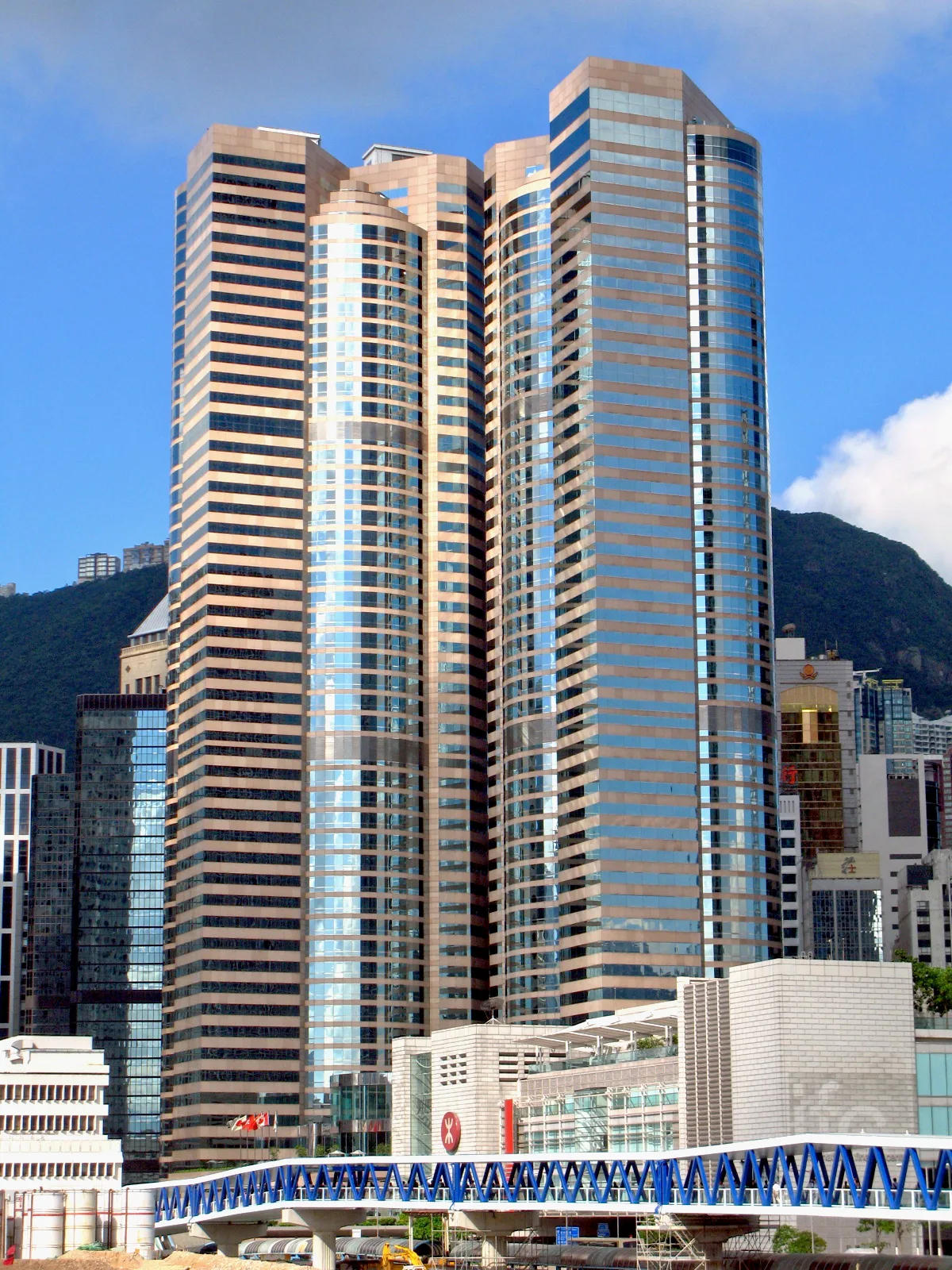
On the Hong Kong Stock Exchange, callable bull/bear contracts are forcibly terminated the instant they hit a preset price level, a mechanism fundamentally different from ordinary warrants and standard listed options.
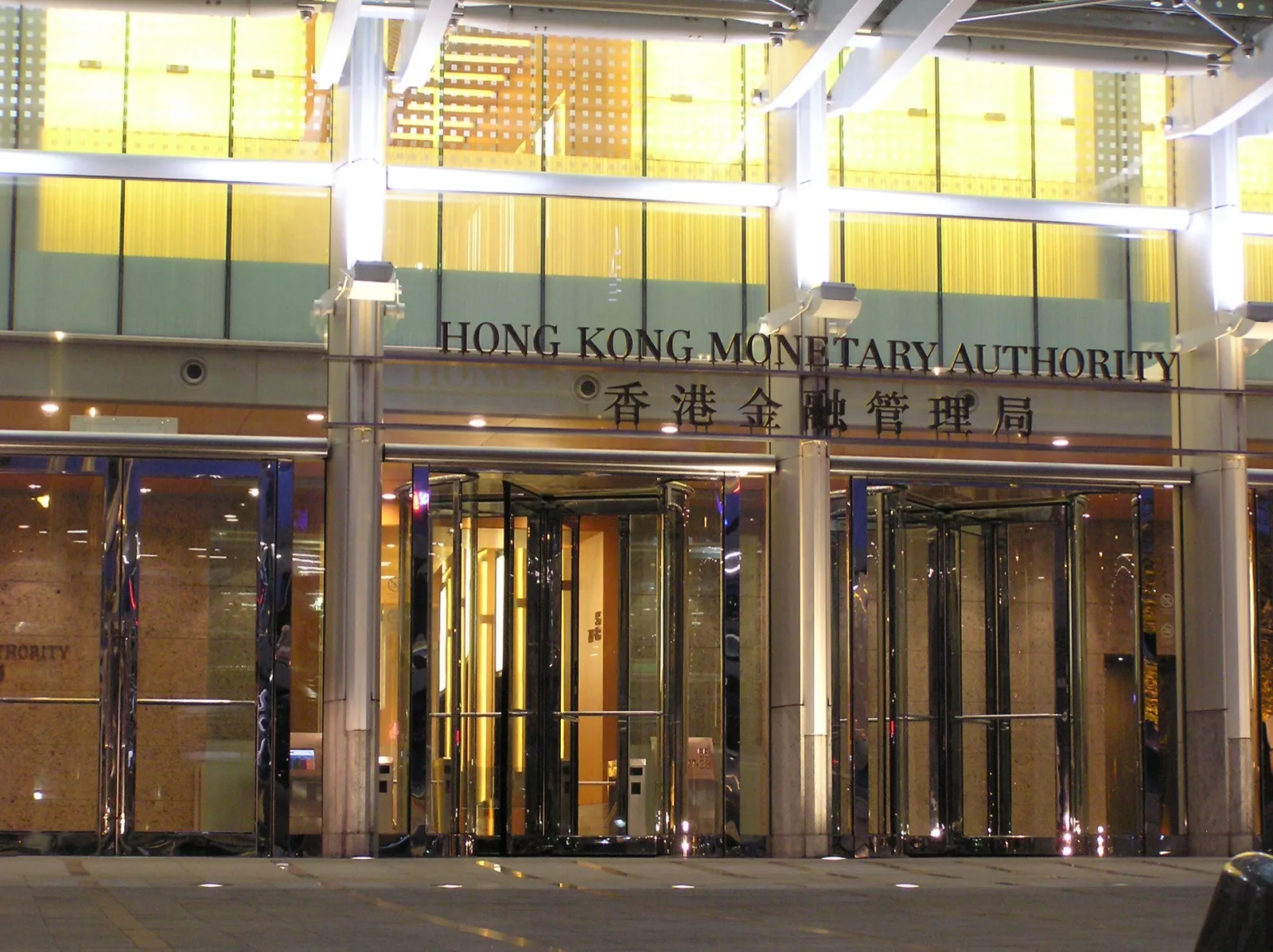
From the mainland interbank market to Hong Kong's offshore platform, renminbi-denominated bonds follow two completely different sets of regulations; this article clarifies the fundamental differences between Panda bonds and Dim Sum bonds, and how offshore institutions issue renminbi debt in Hong Kong.
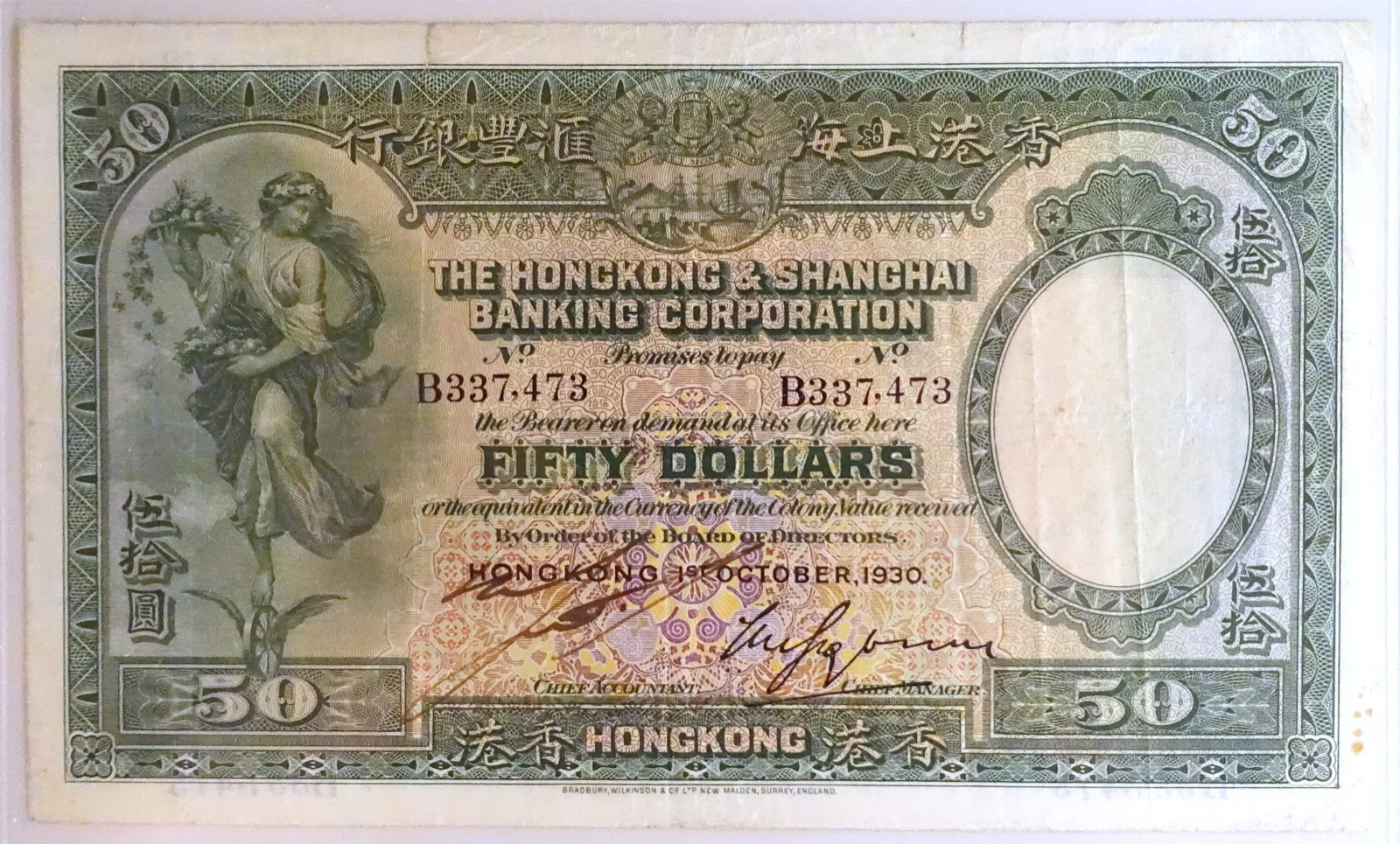
Every trading day before market opens, invisible daily quota gates determine how much capital can flow between mainland and Hong Kong stock markets, and how this mechanism actually operates.
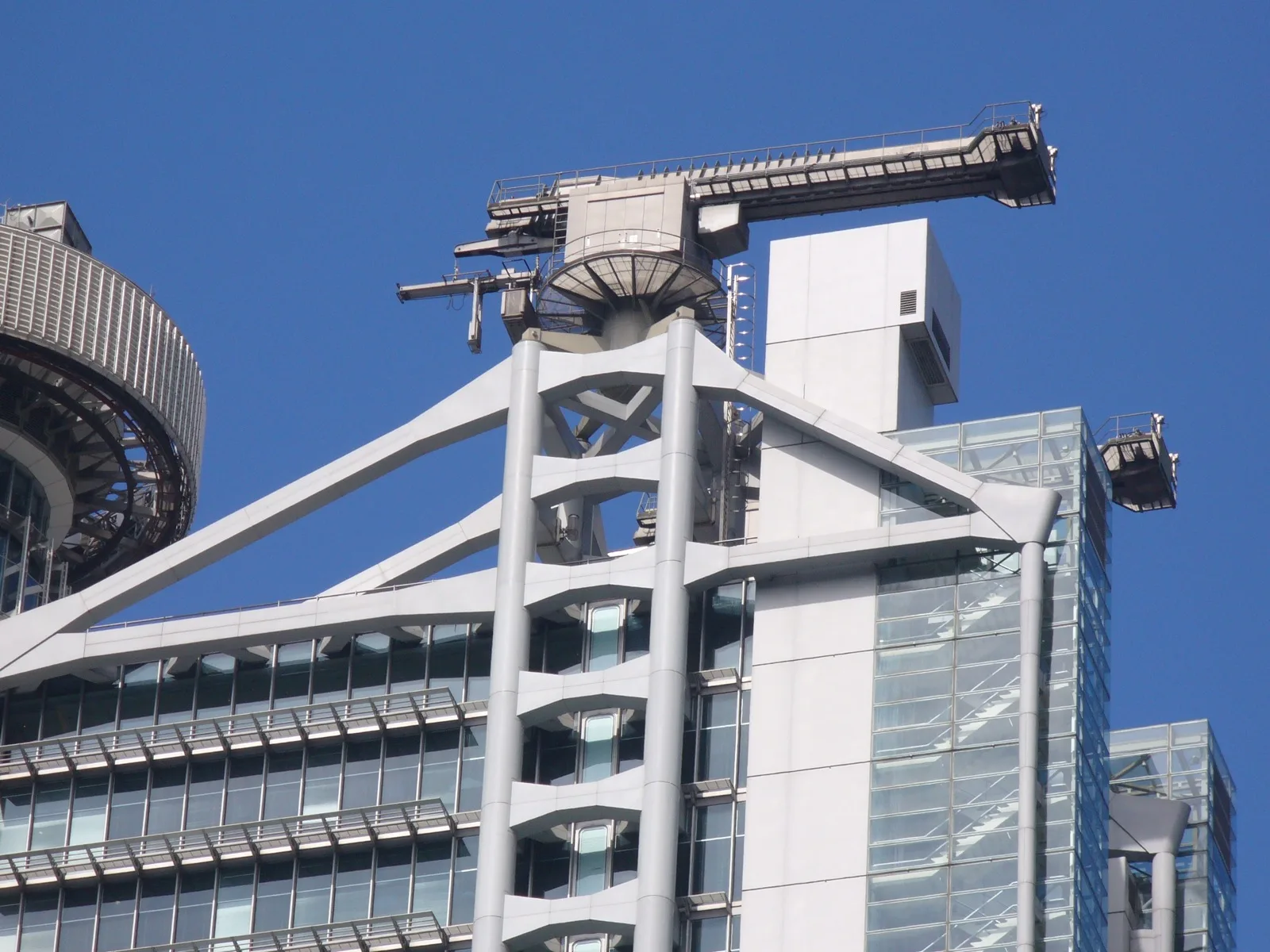
Before a new stock officially lists, HKEX's FINI settlement timetable leaves an overnight gap between allotment results and the start of trading. This explainer maps that gap and how it differs structurally from official first-day trading.
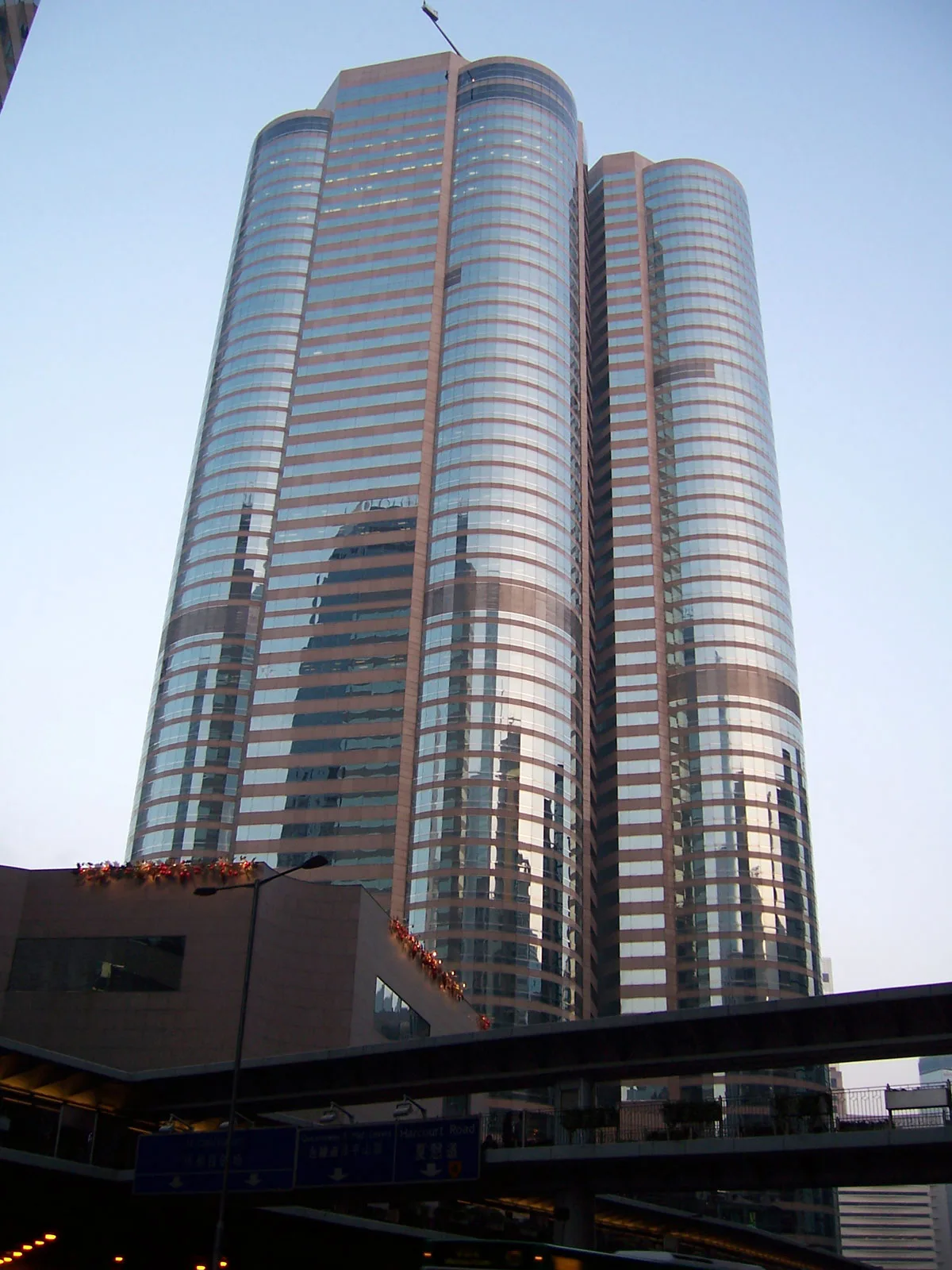
When subscribing to Hong Kong IPOs, why do institutional investors and retail traders use completely different channels? We break down the allocation splits, clawback mechanisms, and public float requirements that govern each path.
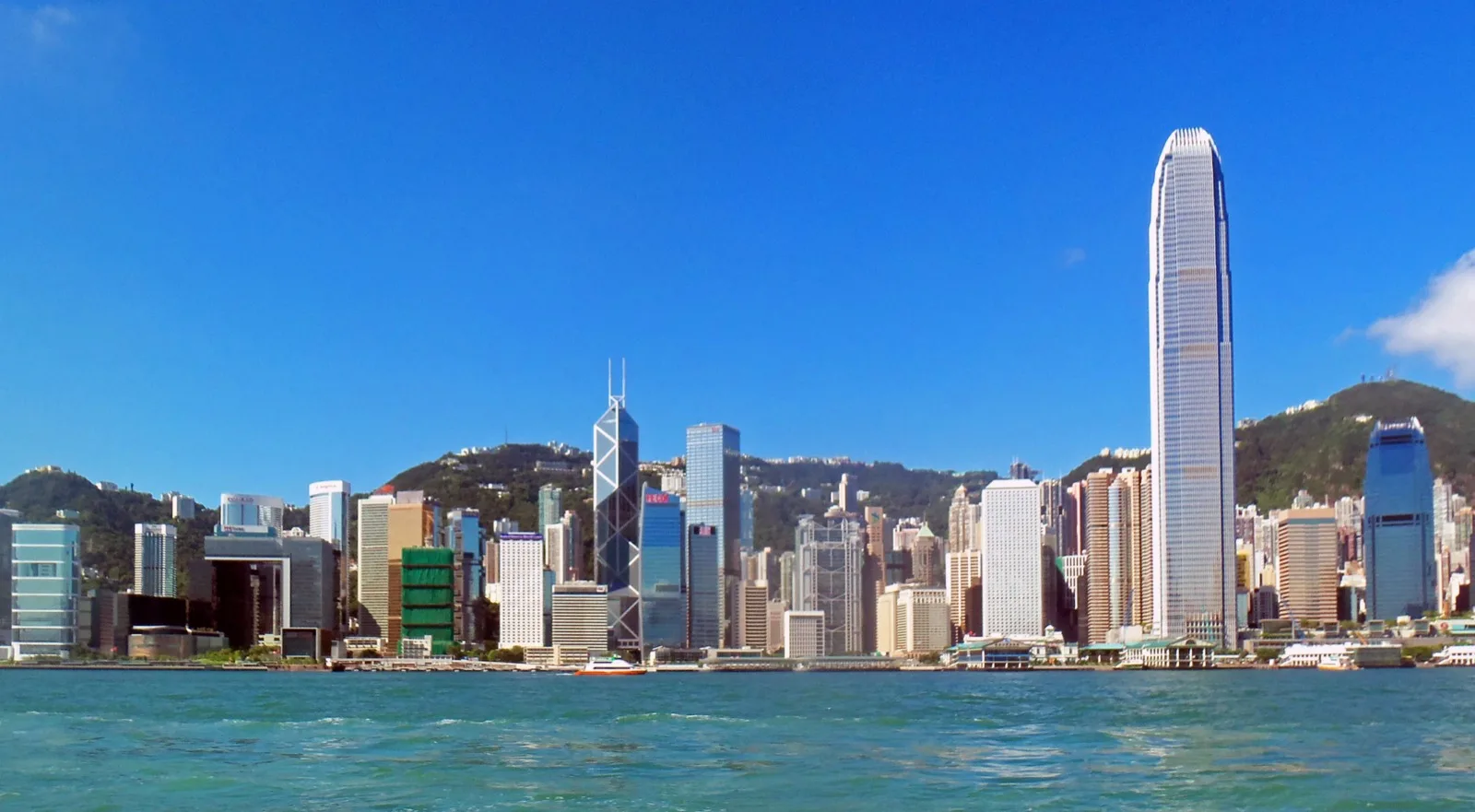
How one company can issue two share classes with unequal voting power, and what safeguards Hong Kong Exchange has in place to balance founder control with minority-shareholder protection.