 lobal Securities News
Global Mofy AI to issue US$4,050,000 of shares for stake in Shanghai AI firm
Global Mofy AI agreed to issue 1,500,000 Class A shares at US$2.70 each for a 5.06% interest in Qifei (Shanghai) Technology, a related party deal with its chairman.
Latest equities, bonds, and regulatory news from China, updated daily.
Mainland China has three stock exchanges: the Shanghai Stock Exchange, the Shenzhen Stock Exchange and the Beijing Stock Exchange, all trading in renminbi. They are supervised by the China Securities Regulatory Commission, an organisation directly under the State Council at full ministerial rank, headed by a chairman with four vice chairmen, organised into 19 functional departments and running 36 provincial and municipal securities regulatory bureaus plus commissioner offices in Shanghai and Shenzhen. The central bank is the People’s Bank of China, founded on December 1, 1948, given central bank status by the State Council in September 1983 and confirmed in that role by the PBOC Law adopted on March 18, 1995 and amended on December 27, 2003. The PBOC supervises the inter-bank bond market, the money market, the foreign exchange market and the gold market, sets exchange rate policy, and administers the State Administration of Foreign Exchange, which handles cross-border capital rules.
The board structure is the thing a newcomer has to learn first, because a Chinese company’s board determines its investor base, its disclosure duties and its price limits. Shenzhen runs a main board and ChiNext, its growth board. On 31 August 2026 the exchange listed 2,935 stocks: 1,494 main board A shares, 38 main board B shares and 1,403 ChiNext A shares. Measured in hundreds of millions of yuan, Shenzhen put total stock market capitalisation that day at 450,602.19, of which 383,625.71 was free float. Shanghai runs a main board and the STAR Market for science and technology issuers. Beijing, created out of the reform of the National Equities Exchange and Quotations system announced in 2021 to serve innovative small and medium companies, had 339 listed companies file half-year reports for 2026 by 31 August 2026.
Beyond equities the same exchanges carry a large fixed income and fund business. Shenzhen alone listed 18,935 bond instruments and 726 exchange traded funds on 31 August 2026, along with asset backed securities and property funds. Index derivatives sit apart, on the China Financial Futures Exchange, which lists futures on the CSI 300, CSI 500, CSI 1000 and SSE 50 indices, options on the CSI 300, CSI 1000 and SSE 50, and government bond futures at 2, 5, 10 and 30 year tenors. Those contracts, not the cash market, are where hedging and index positioning show up.
Policy direction is visible and matters to prices. The CSRC publishes its own rule making and joint measures with other ministries, including guidance in August 2026 on capital market support for a new model of property sector development, and it has pushed opening measures such as the renminbi government bond futures listed in Hong Kong in August 2026.
GSN covers the Chinese market through the issuers that dominate these boards: banks, insurers and brokerages on the Shanghai main board, consumer, property and industrial names across both main boards, semiconductor, battery, pharmaceutical and equipment makers on ChiNext and the STAR Market, and smaller specialist manufacturers in Beijing. It also follows CSRC rule changes, PBOC operations in the inter-bank market and the index and bond futures traded on the China Financial Futures Exchange, since those set the terms under which foreign and domestic money reaches Chinese shares.
Sources
This overview is based on the official documents listed below, last checked 2026-09-03. Figures are as stated in those documents.
ZK International Group reported a net loss of $17.0 million for the six months to March 31, 2026, driven by an $8.1 million disposal loss and $7.1 million of share-based pay.

Global Mofy AI agreed to issue 1,500,000 Class A shares at US$2.70 each for a 5.06% interest in Qifei (Shanghai) Technology, a related party deal with its chairman.
Londian Wason New Energy Tech closed its NYSE initial public offering of 4,285,714 American depositary shares priced at US$22.00 each after a brief trading halt.
ReTo Eco-Solutions can draw up to $36,000,000 of pre-paid purchases over two years under a securities purchase agreement settled in Class A shares, cash, or both.

Origin Agritech has issued a three-year senior convertible note of RMB 15,000,000, carrying 3.98% interest and convertible at US$1.50 per ordinary share.

Huadi International Group has 180 calendar days, until January 11, 2027, to regain compliance with Nasdaq's $1.00 minimum bid price rule after a staff determination letter.
Why can an unaudited preliminary figure move market expectations before the annual report is even released? A look at the mandatory triggers and mechanics behind China's earnings preannouncement and flash results disclosure system.
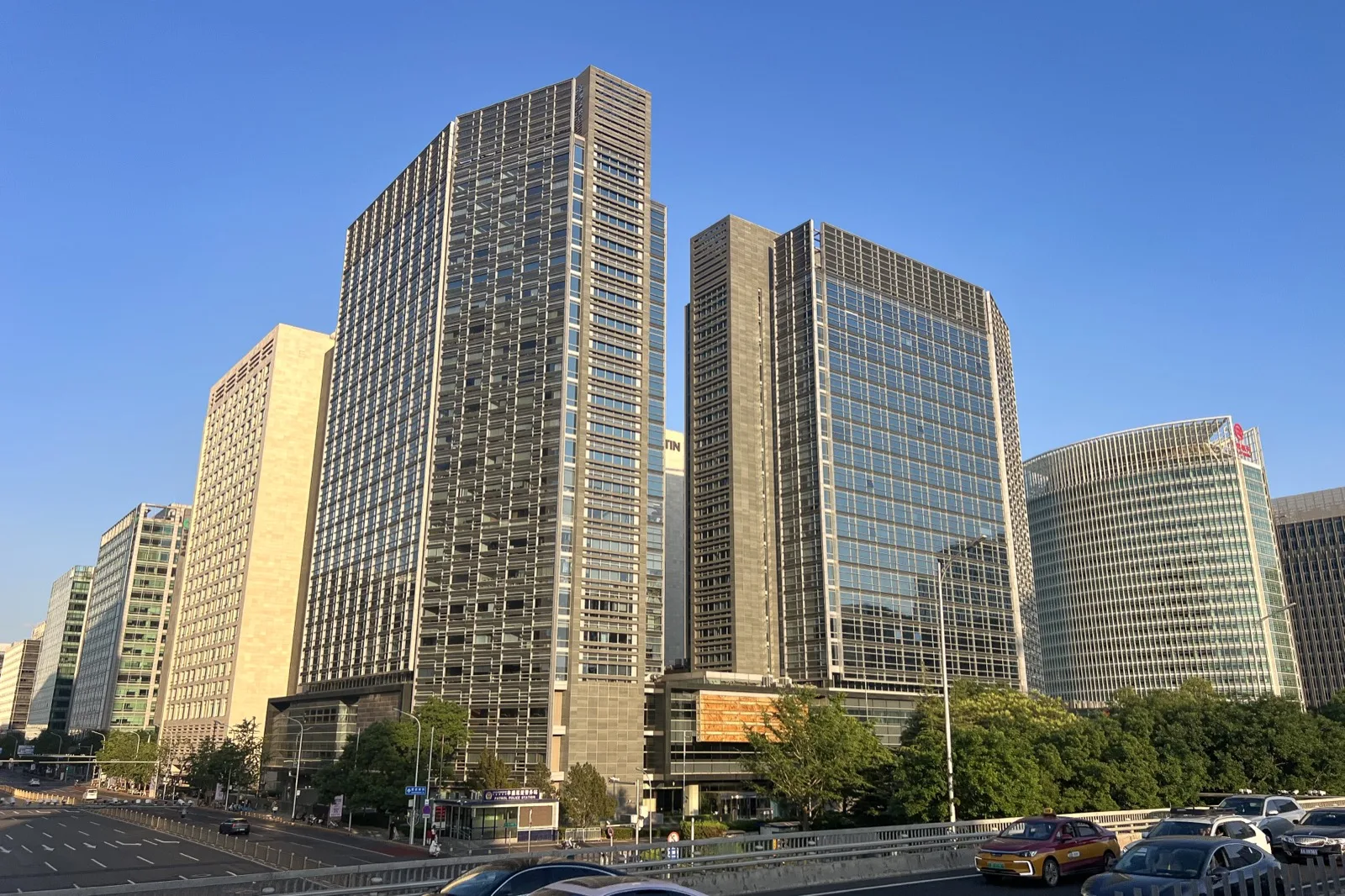
From deteriorating finances and sub-par share prices to major legal violations, China's Shanghai Stock Exchange enforces multiple mandatory delisting triggers, with ST and *ST labels as the first warning signs investors see.

Panda bonds are renminbi bonds issued onshore in China by foreign governments, institutions or companies, with approval, quotas and settlement mechanics that differ structurally from bonds issued by domestic Chinese issuers.
In China's A-share market, stocks bought today cannot be sold until the next trading day. This piece explains how the T+1 trading rule works and how it structurally differs from T+0 markets.
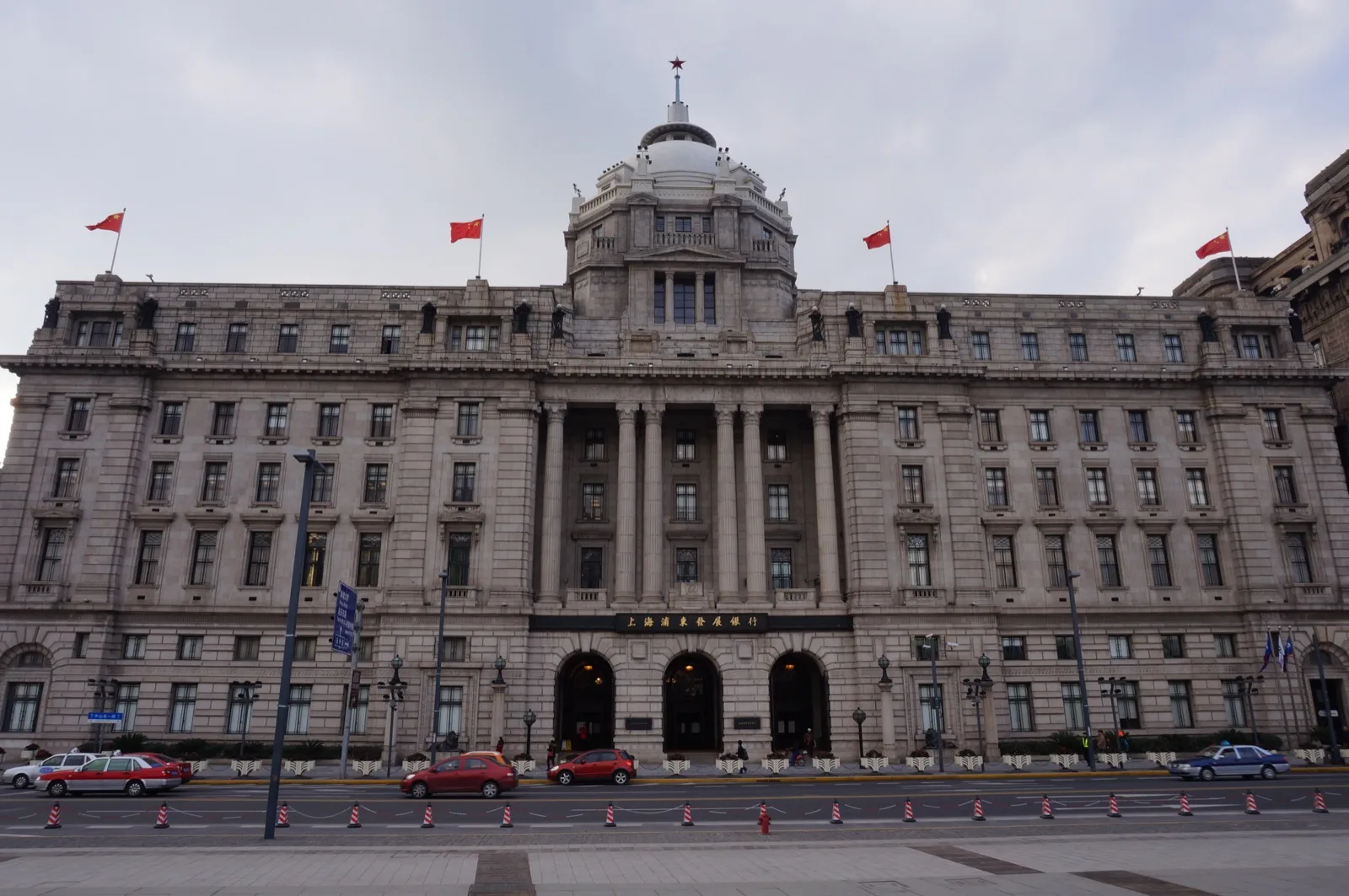
Through cross-border order routing, daily quotas and lists of eligible shares, the Shanghai-Hong Kong and Shenzhen-Hong Kong Stock Connect programs let mainland and Hong Kong investors trade each other's shares without opening an account in the other market.

The price range announced for an IPO becomes a final price through cumulative bookbuilding, where institutional investors' collective bids drive price discovery.

From information disclosure to major asset restructuring, explore when, why, and how Shanghai and Shenzhen exchanges halt trading, and why halts don't inherently mean crisis.
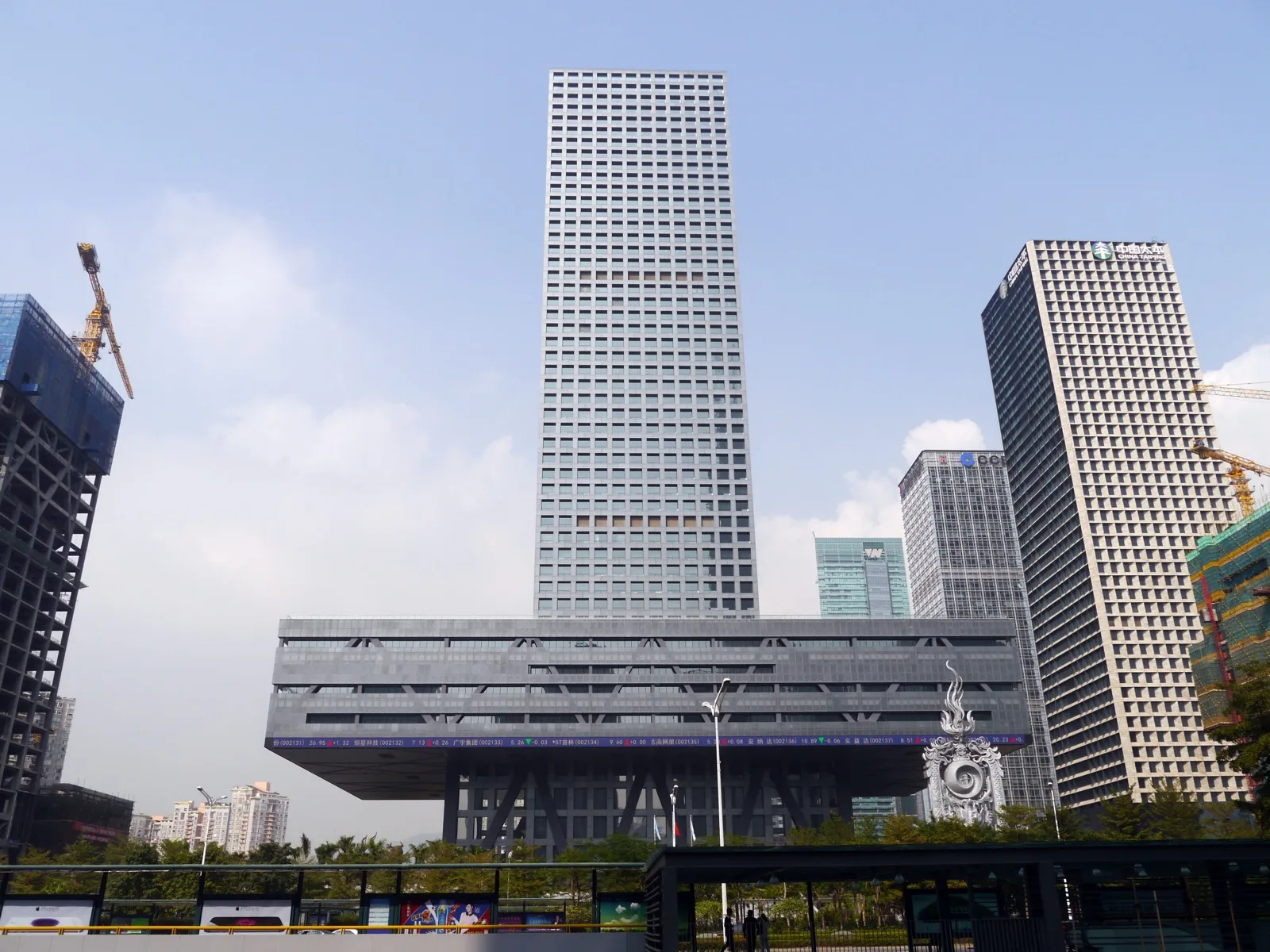
Sample selection, weighting methods, and adjustment rules explain why the CSI 300 and Shanghai Composite often move differently, despite both tracking A-shares.
Despite using the same registration-based framework, different review structures between the two venues create markedly different outcomes for companies seeking to list.