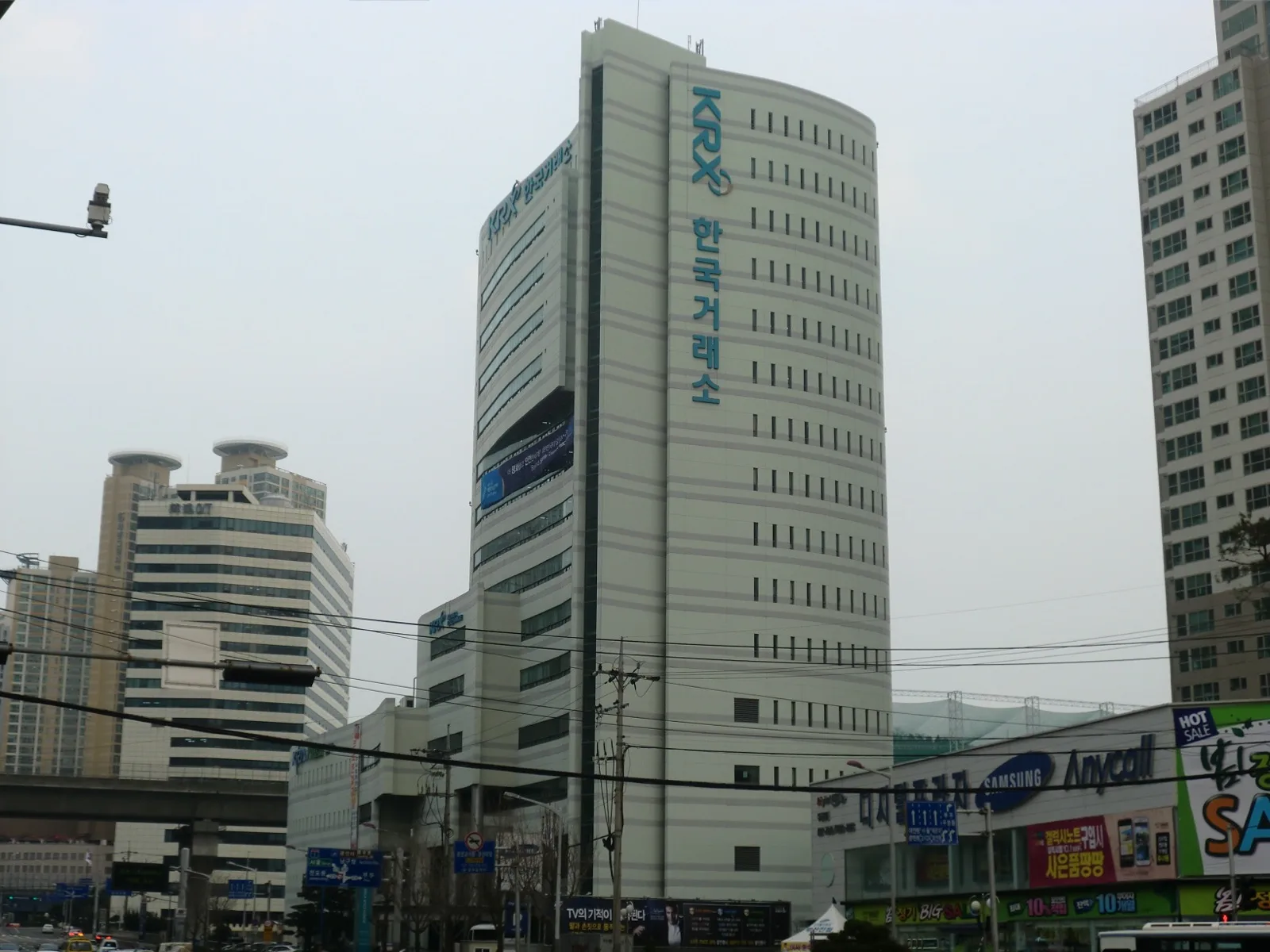
Listing costs are published and tiered by size. KRX charges foreign applicants 5 million KRW to file for listing eligibility review on either the KOSPI or the KOSDAQ market. The initial listing fee is then calculated on market capitalisation at the offering price, starting at 1 mil. KRW for issuers at or below 50 bil. KRW and rising through bands to 230.75 mil. KRW plus 5,000 KRW per 1 bil. KRW above 10 tril. KRW, with the fee capped at 80 million KRW. Companies must list the entire quantity of shares issued rather than a selected tranche.
The offering process is being rebuilt. Revisions to the FSCMA taking effect on November 13, 2026 introduce preliminary book building, which lets bookrunners survey institutional demand before a price band is set in the securities registration statement, and a cornerstone investor system. Institutions qualifying for preliminary book building need at least KRW30 billion in entrusted assets, and cornerstone investors need equity capital or entrusted assets of at least twenty times the value of the shares they subscribe for. Cornerstone lockups are staggered: six months on 50 percent of allocated shares, eight months on 30 percent and ten months on 20 percent. Pre-allocation is capped at 20 percent of the institutional tranche for KOSPI IPOs and 30 percent for KOSDAQ, which works out at up to 10 percent of a KOSPI deal and 4.5 to 10.5 percent of a KOSDAQ deal.
Governance and disclosure reform is the other running story. From 2028, covering FY2027, KOSPI-listed companies with KRW10 trillion or more in total consolidated assets must publish sustainability disclosures. Separately, the FSC and KRX have drafted a naming and shaming rule under which companies ranked by price-to-book ratio within their Global Industry Classification Standard sector are published twice yearly, on the first trading day of May and November. KOSPI companies in the bottom 25 percent for three straight years and KOSDAQ companies in the bottom 10 percent qualify, with an exemption for issuers that publish corporate value enhancement plans. A KRX simulation put the initial list at about 120 companies as of May 2026, 80 on KOSPI and 40 on KOSDAQ.
The listed universe is concentrated in semiconductors and electronics, automobiles, shipbuilding, steel, chemicals and banking, and retail participation in leveraged exchange-traded products is large enough that the FSC tightened premium and discount management duties on securities firms from 3 percent to 2 percent for domestically listed products from August 19. GSN covers KOSPI and KOSDAQ listings and secondary offerings, FSC and KRX rule changes, and disclosure filed through the supervisory system.
 lobal Securities News