 lobal Securities News
Platinum Analytics Delisted: What the Nasdaq Panel Actually Said
Nasdaq denied reinstatement for the FX software developer citing potential manipulation and thin liquidity. The company plans a review, but trading remains suspended.
Latest equities, bonds, and regulatory news from Singapore, updated daily.
Singapore Exchange operates the country’s securities market on two boards with separate admission machinery. The Mainboard is admitted and supervised by the Exchange itself under the Mainboard Rules. Catalist is sponsor supervised: a listing applicant must appoint a full sponsor to be eligible for listing, and sponsors carry both introducing activities, preparing an applicant for admission or advising on a reverse takeover, and continuing activities, advising a listed issuer on compliance after admission.
The Mainboard entry tests are quantitative and set out in Rule 210. An issuer must be a going concern or the successor of one and meet one of three routes: consolidated pre-tax profit of at least S$10 million for the latest financial year with an operating track record of at least three years; profitability in the latest financial year with a three year record and a market capitalisation of not less than S$150 million based on the issue price and post invitation issued share capital; or operating revenue in the latest completed financial year with a market capitalisation of not less than S$300 million. Distribution rules sit alongside the financial ones. At least 25% of issued shares excluding treasury shares must be held by at least 300 public shareholders. A secondary listing requires at least 500 shareholders worldwide, and where the Exchange and the primary home exchange lack a framework for moving shares between jurisdictions, at least 500 shareholders in Singapore or 1,000 worldwide.
The benchmark is the Straits Times Index, which comprises the largest 30 companies by full market capitalisation that meet the eligibility rules. FTSE International Limited is the benchmark administrator. Constituents are adjusted for free float and companies with a free float of 15% or below are excluded outright. The index is reviewed semi annually in March and September, with a further quarterly review, and liquidity is tested on the same March and September cycle. Below it sits the FTSE ST series, with All-Share, Mid Cap, Small Cap and Fledgling indices covering SGX Mainboard companies, a China index screening for Chinese revenue and assets, a Shariah compliant index, and industry indices built on 11 Industries, 20 Supersectors and 45 Sectors.
Government paper is issued by the Monetary Authority of Singapore, not by the exchange. MAS publishes a single auction and issuance calendar covering Singapore Government Securities bills and bonds; that calendar carried 664 records at retrieval, running from 2009 through to scheduled 2026 auctions. Both instrument families are on it: 6-Month Treasury bills auctioned on a rolling fortnightly pattern, and dated bonds such as the 5-Year auctioned on 28 Oct 2026 for issue on 02 Nov 2026. GSN covers SGX listed company announcements, Mainboard and Catalist rule changes, STI index reviews and the SGS auction programme.
Sources
This overview is based on the official documents listed below, last checked 2026-09-03. Figures are as stated in those documents.
The Singapore microscopy company's one-for-fifteen reverse split changes the shape of its shares, not the size of the business. What it says next about why will decide how the move reads.
Nasdaq denied reinstatement for the FX software developer citing potential manipulation and thin liquidity. The company plans a review, but trading remains suspended.
Bitdeer says its 9.5 MW A102 facility is fully contracted for more than $800 million of expected revenue. The release gives no term, no customer and no capital cost, and its mining table shows Bitcoins held falling to 61 without explanation.
Canaan Inc. reported Q2 2026 financial results, highlighting record cryptocurrency holdings and share repurchases amid mining headwinds.
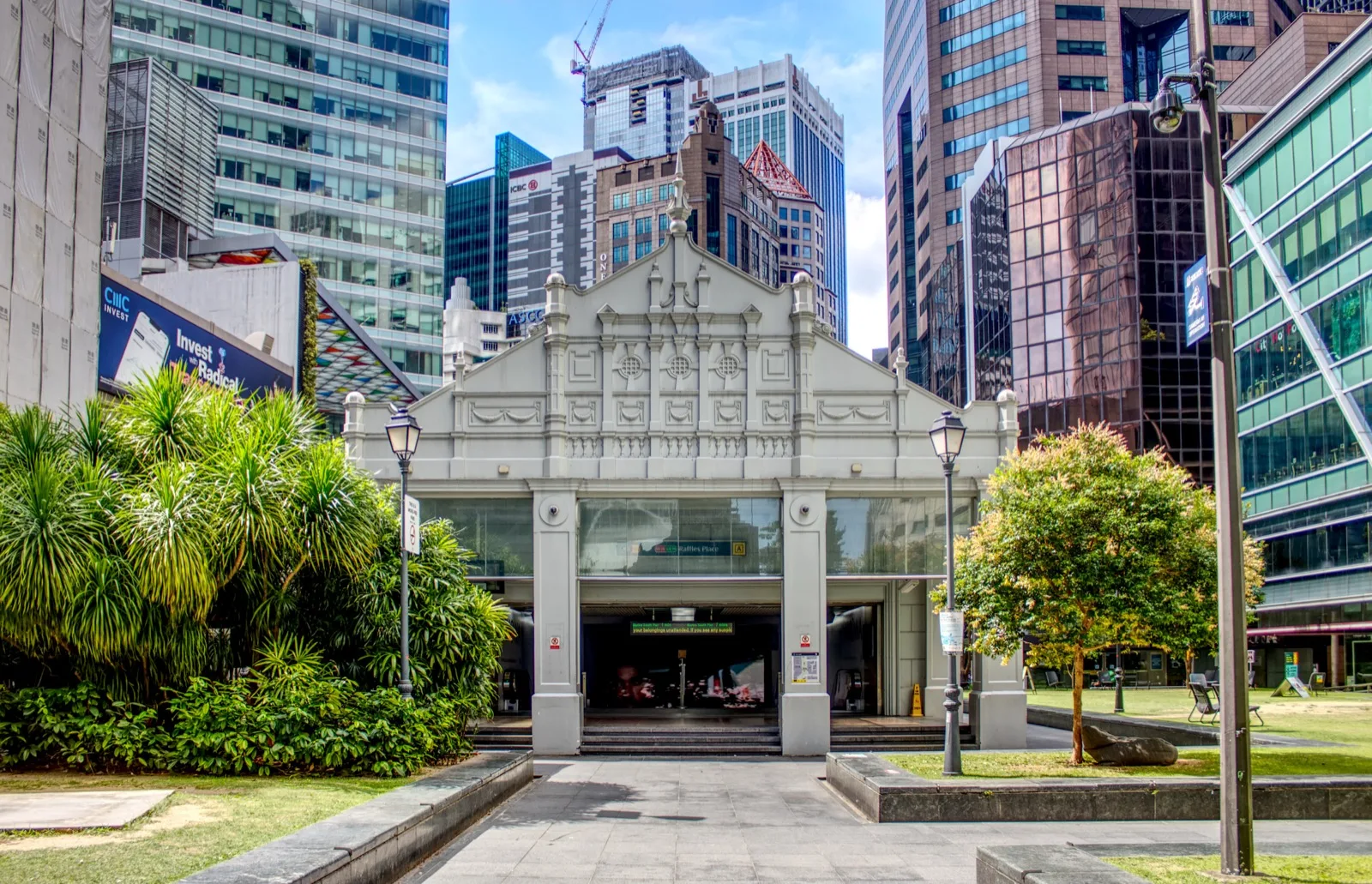
Nasdaq gave Singapore facilities services group Primech Holdings until February 22, 2027 to regain compliance with the $1.00 minimum bid price requirement.

SuperX AI Technology said its Japanese subsidiary received an approximately US$38.8 million order from Woodman for NVIDIA B300 server clusters in Yokohama.
The semiconductor assembly technology company appoints veteran executive from Enovix and Micron to lead operations.
SKK Holdings said six new horizontal directional drilling and utility works contracts in Singapore carry an aggregate value of up to about US$26.6 million.
Singapore safety equipment supplier Rectitude Holdings declared a cash dividend of US$0.10 per ordinary share, an aggregate distribution of US$1,548,275.
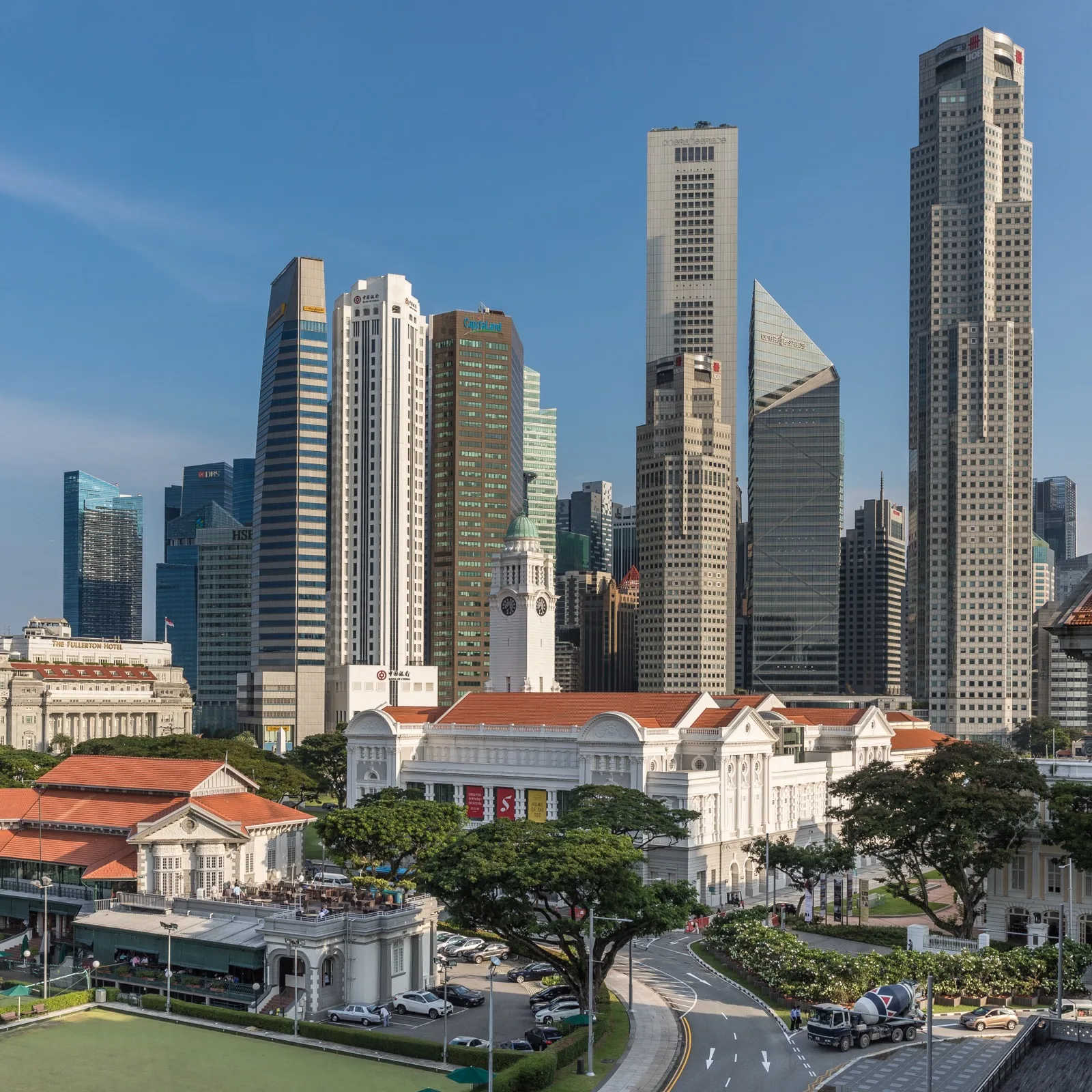
Singapore based quantum software developer Horizon Quantum reported a $115.2 million net loss for the quarter ended June 30, 2026 and cash of $113.3 million.
Under Singapore's Securities and Futures Act, crossing 5 percent of a listed company's votes triggers a filing, but after that a rounding rule decides whether the next trade must be disclosed at all.
Once financial statements are audited and filed, Singapore's corporate regulator reviews a selection of them against accounting standards. Here is how that surveillance process works.
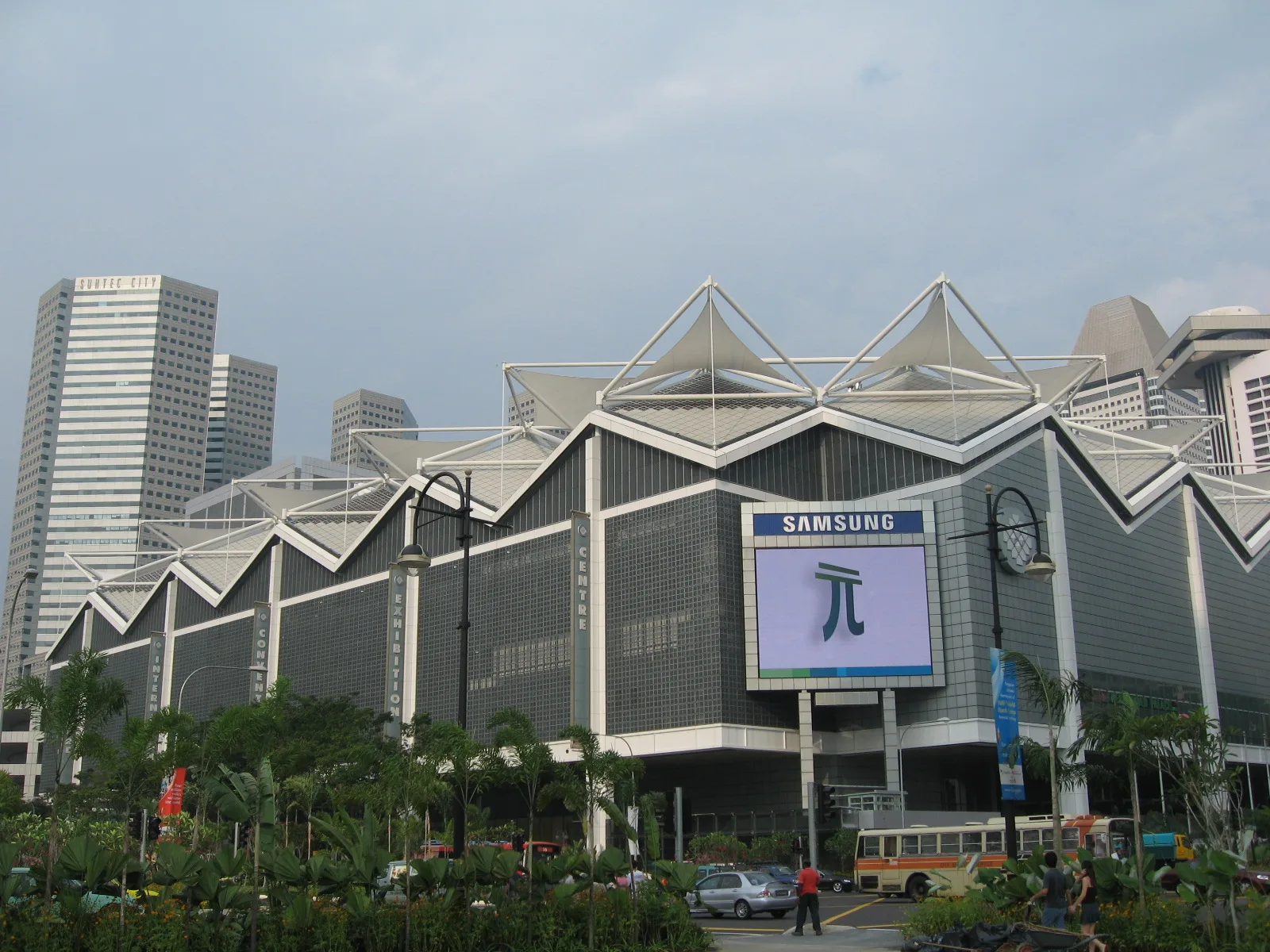
In Singapore, an IPO offer document is published on the MAS OPERA repository days before anyone can subscribe. Here is how the exposure period works and why it exists.
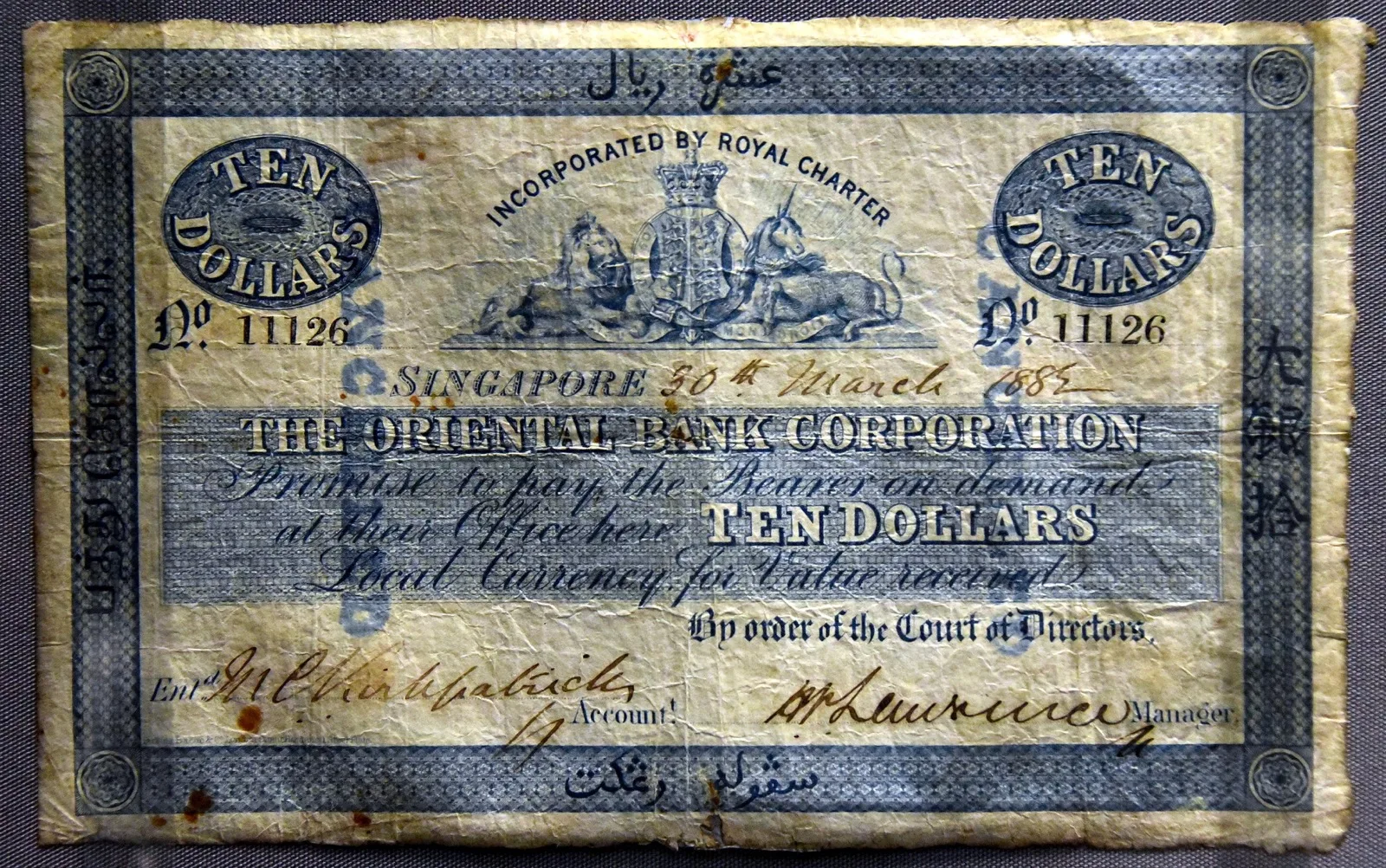
Singapore's benchmark equity index is reviewed on a fixed quarterly calendar under a published rulebook. Here is how free float, liquidity screens and rank buffers decide who is in and who is out.
Most Singapore dollar corporate bonds are sold in blocks far beyond an individual's reach. A mechanism called seasoning explains how some later become available in small lots on the Singapore Exchange.
Crossing 30 percent of a Singapore-listed company's voting rights triggers a mandatory general offer to every remaining shareholder. Here is how that threshold, and its exceptions, actually work.
Singapore Government Securities are issued under two separate statutes with different purposes. Here is how the market development track differs from SINGA infrastructure borrowing.
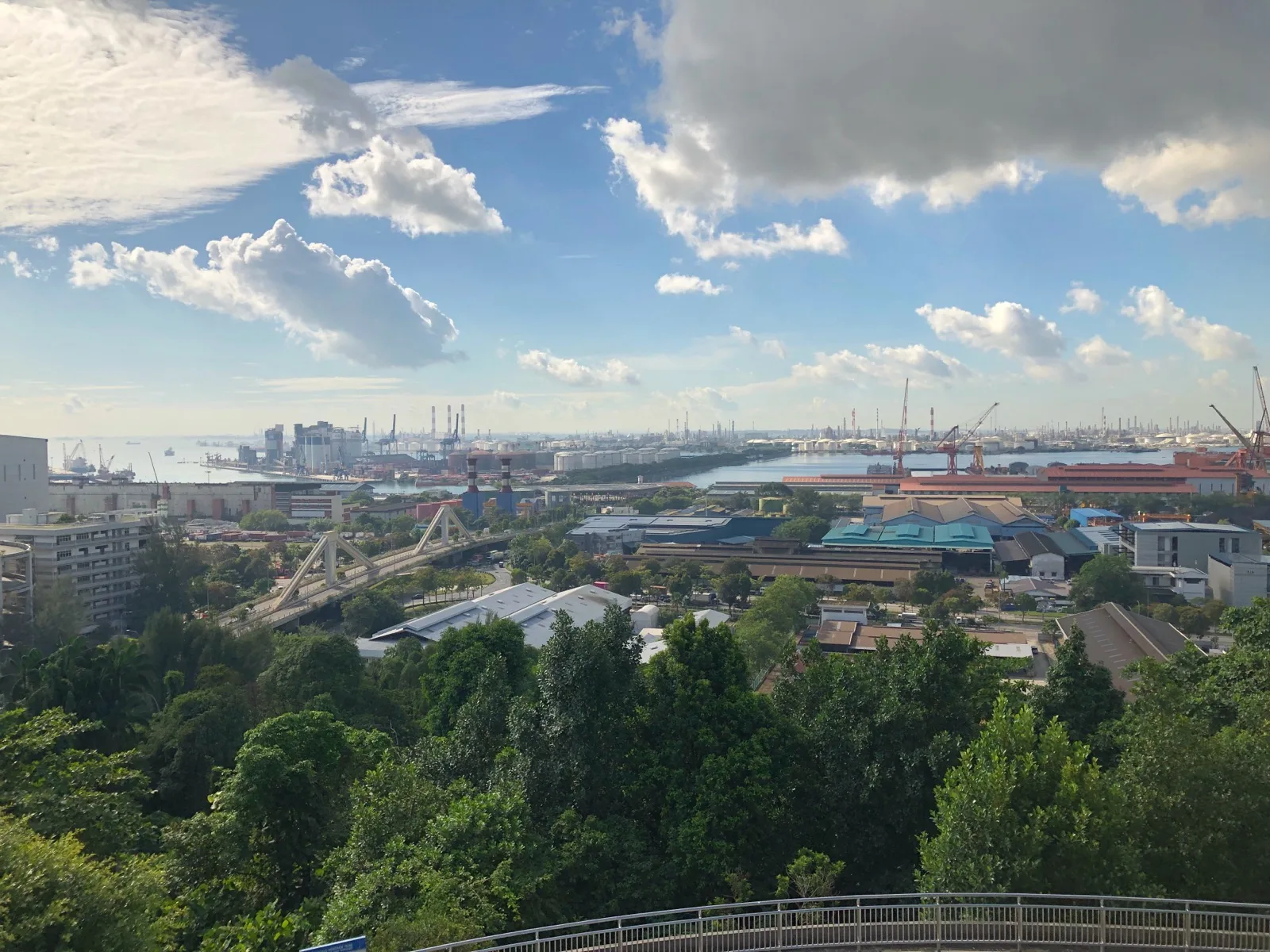
Singapore listed companies need shareholder authority before repurchasing their own stock. Here is how that annual mandate works, from price ceilings and next-day reporting to treasury shares.
When a seller on SGX misses the T+2 delivery deadline, the buyer usually still receives the shares. Here is how the clearing house's buying-in session makes that possible.
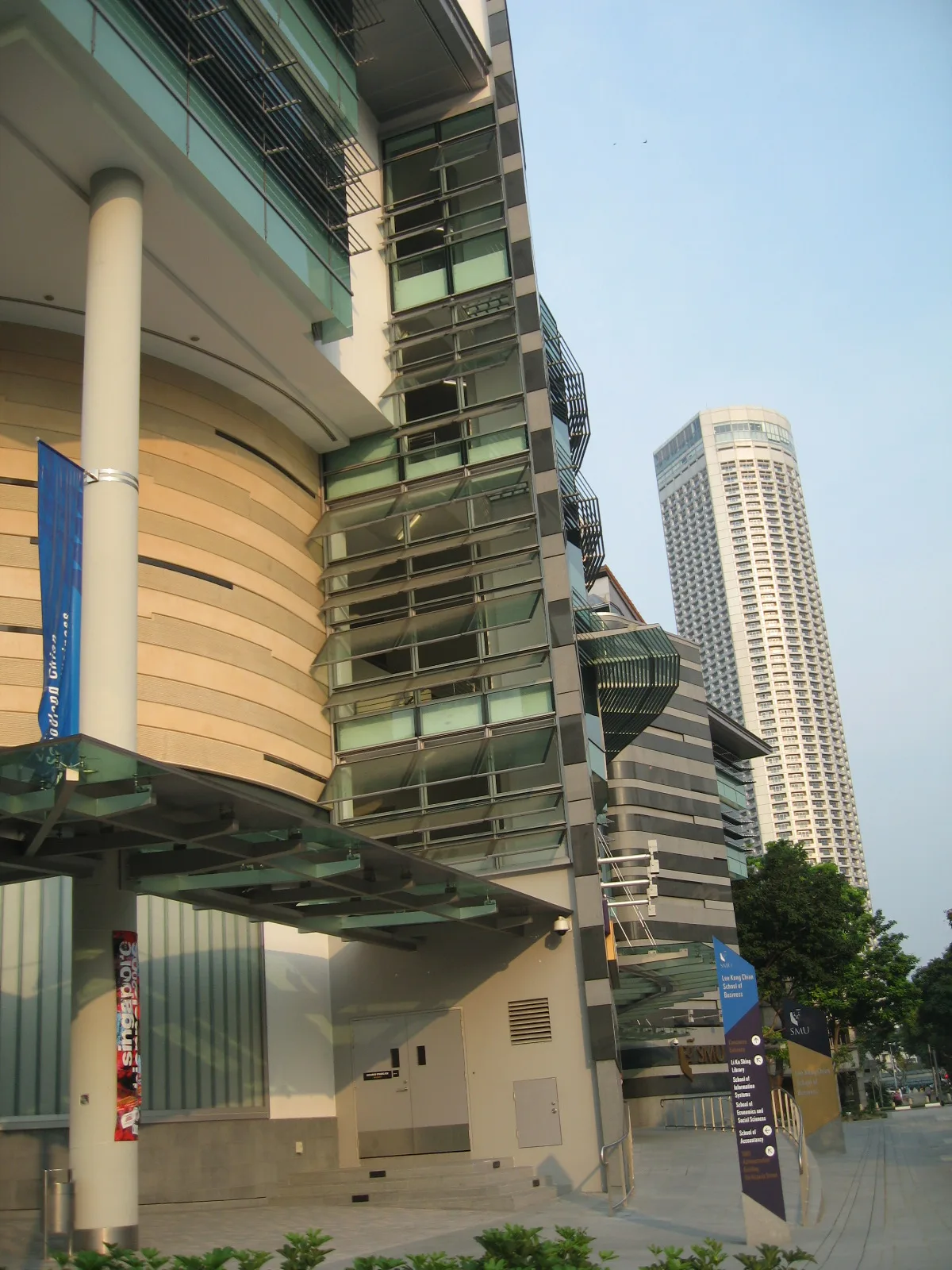
Segregation rules, base capital thresholds, the clearing house waterfall and the fidelity fund each catch a different failure. Here is what the SGX rulebooks say about each, and which layer does the most work.
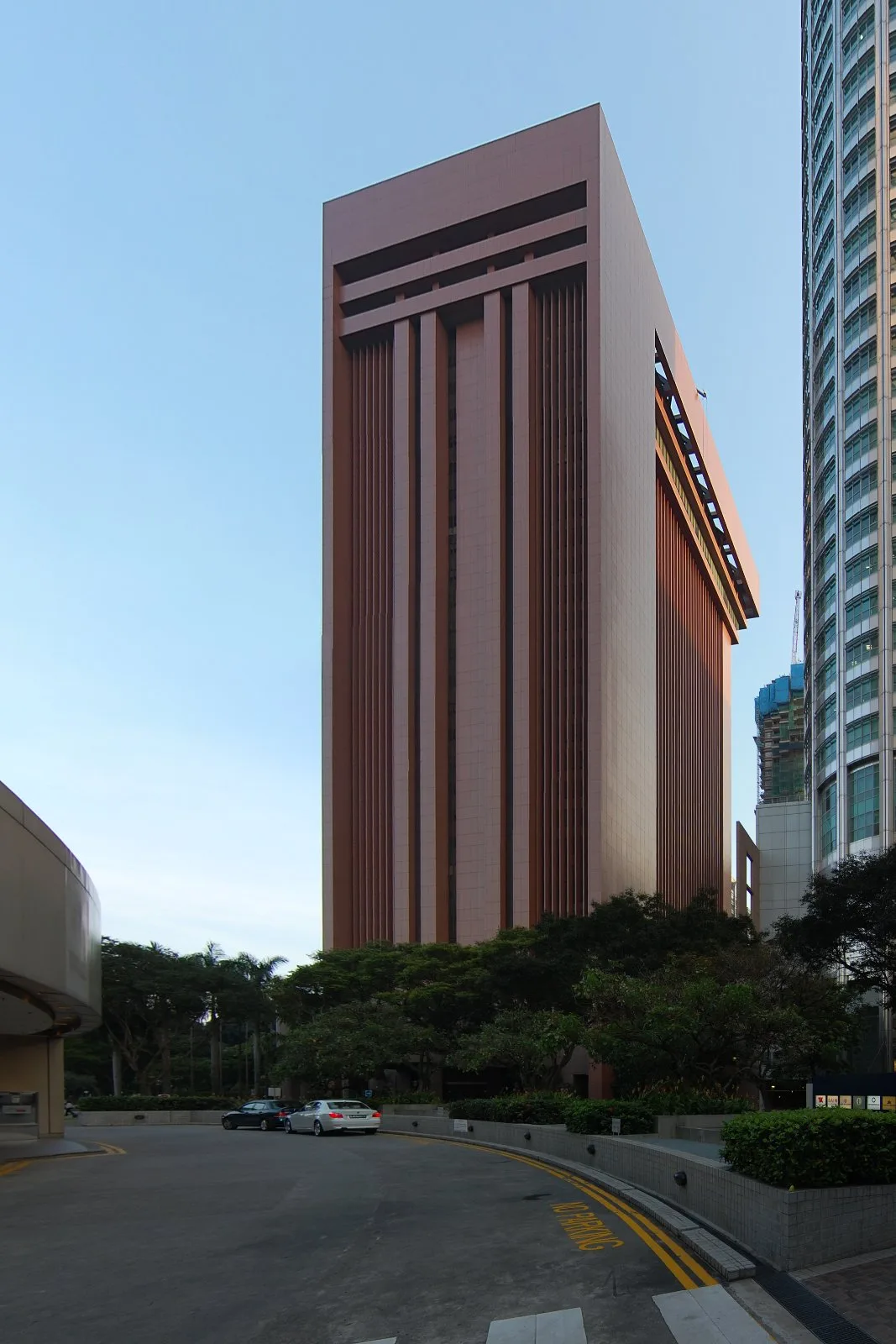
How SGX pairs an immediate, market-wide disclosure duty with a periodic reporting calendar whose frequency turns on the auditor's opinion rather than on which board a company is listed.
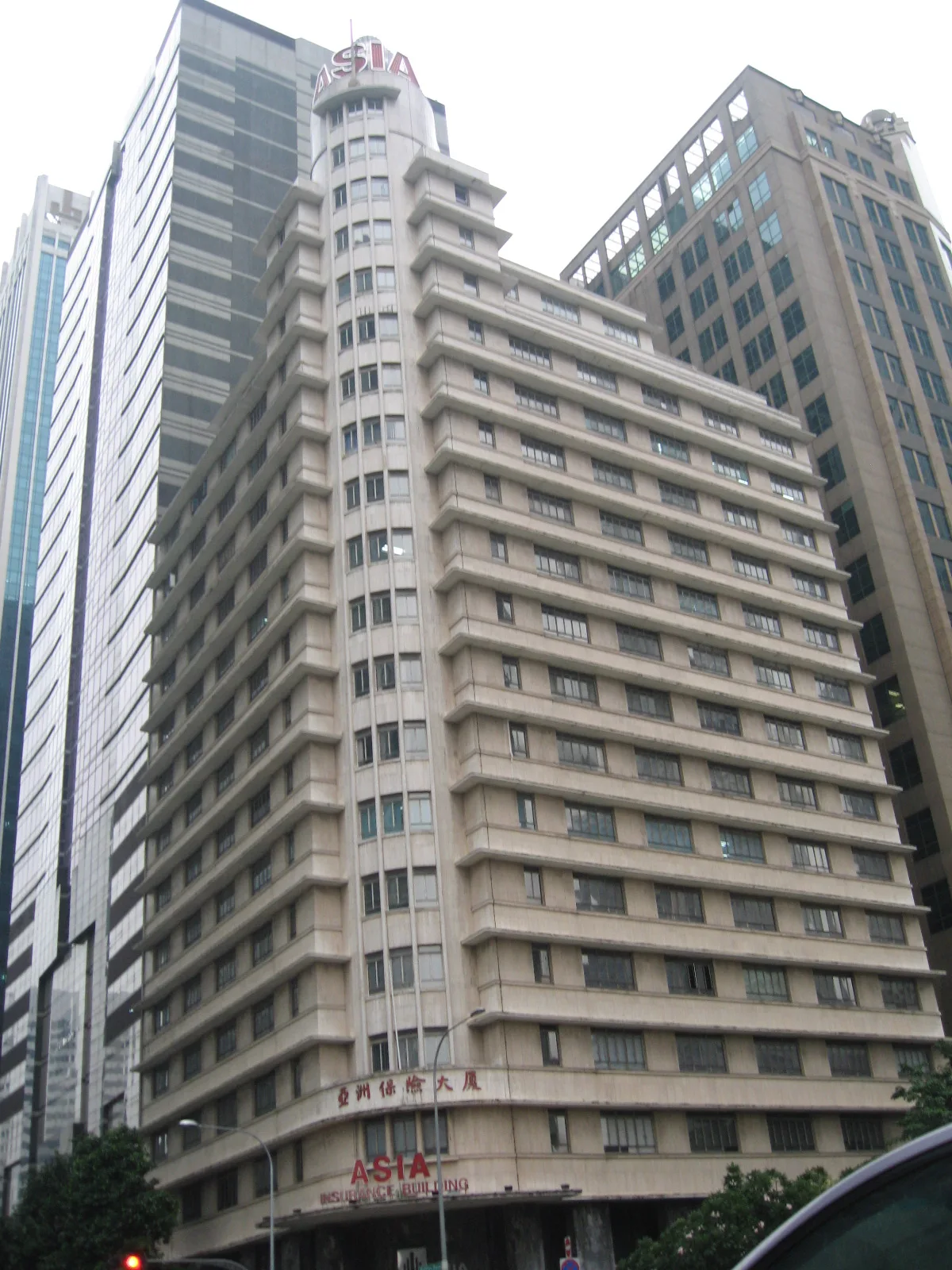
A look at how SGX RegCo's surveillance system flags unusual trading, and why a trading halt and a trading suspension are structurally different tools with very different timelines.
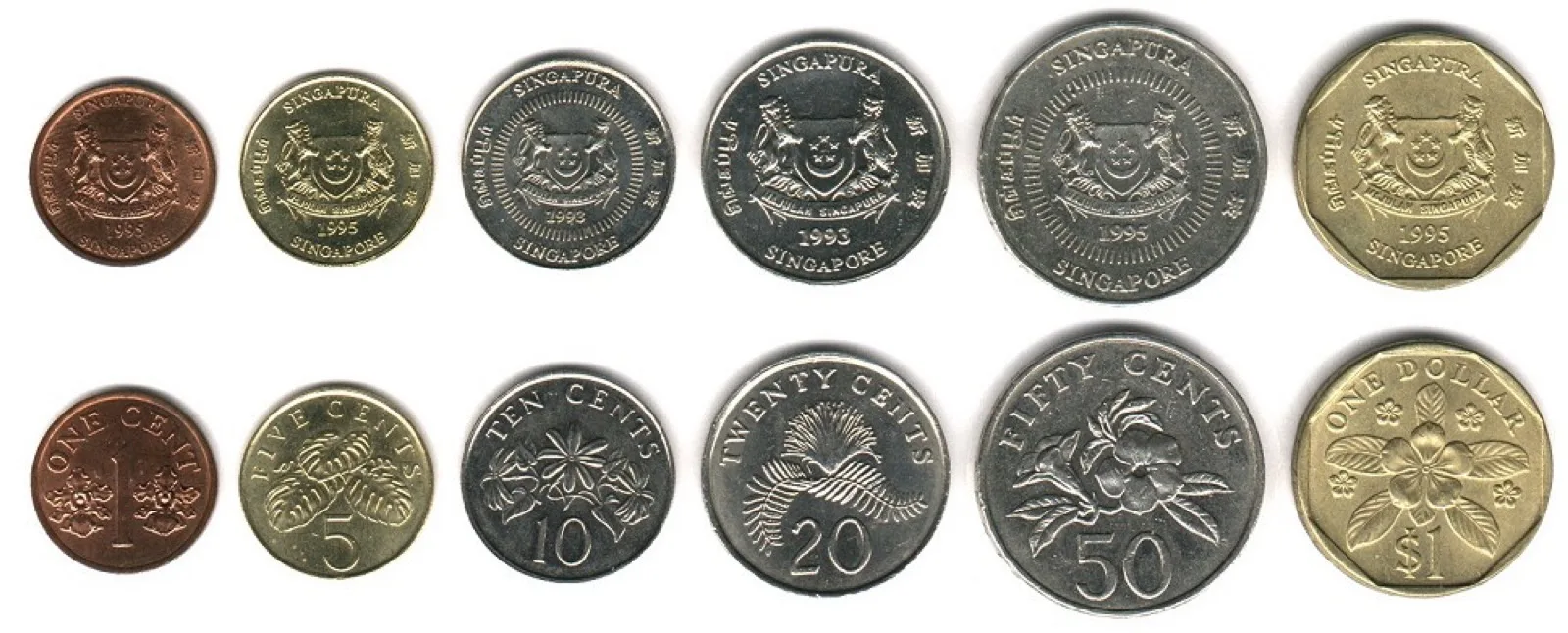
Every month MAS publishes a fresh ten-year schedule of coupons and average returns for a new Savings Bond issue. Reading the published series shows what the headline first-year rate leaves out.
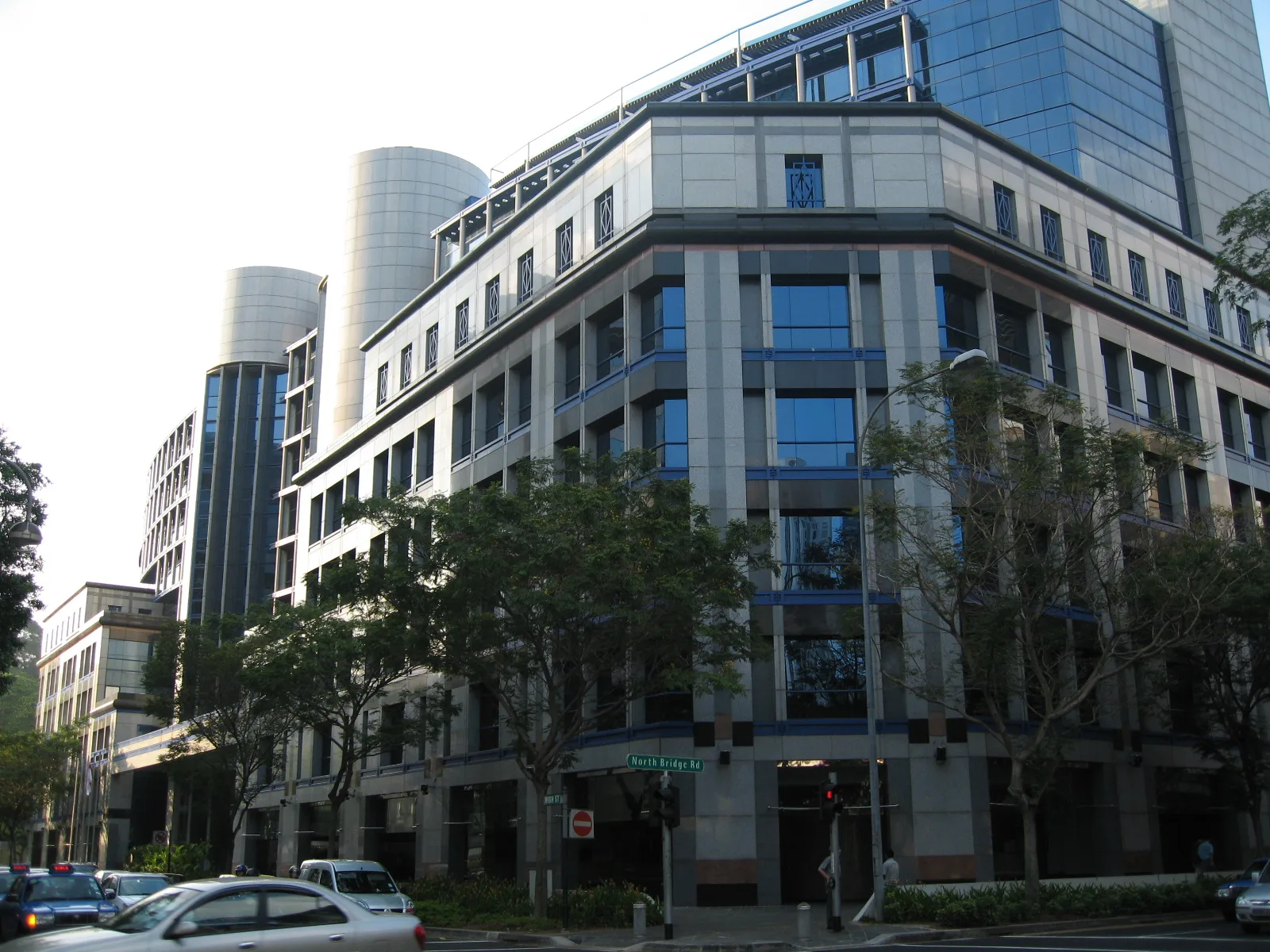
On Singapore's Catalist board, licensed private sponsors, not exchange staff, vet companies for listing and keep supervising them afterward, a structure quite different from a Mainboard review.
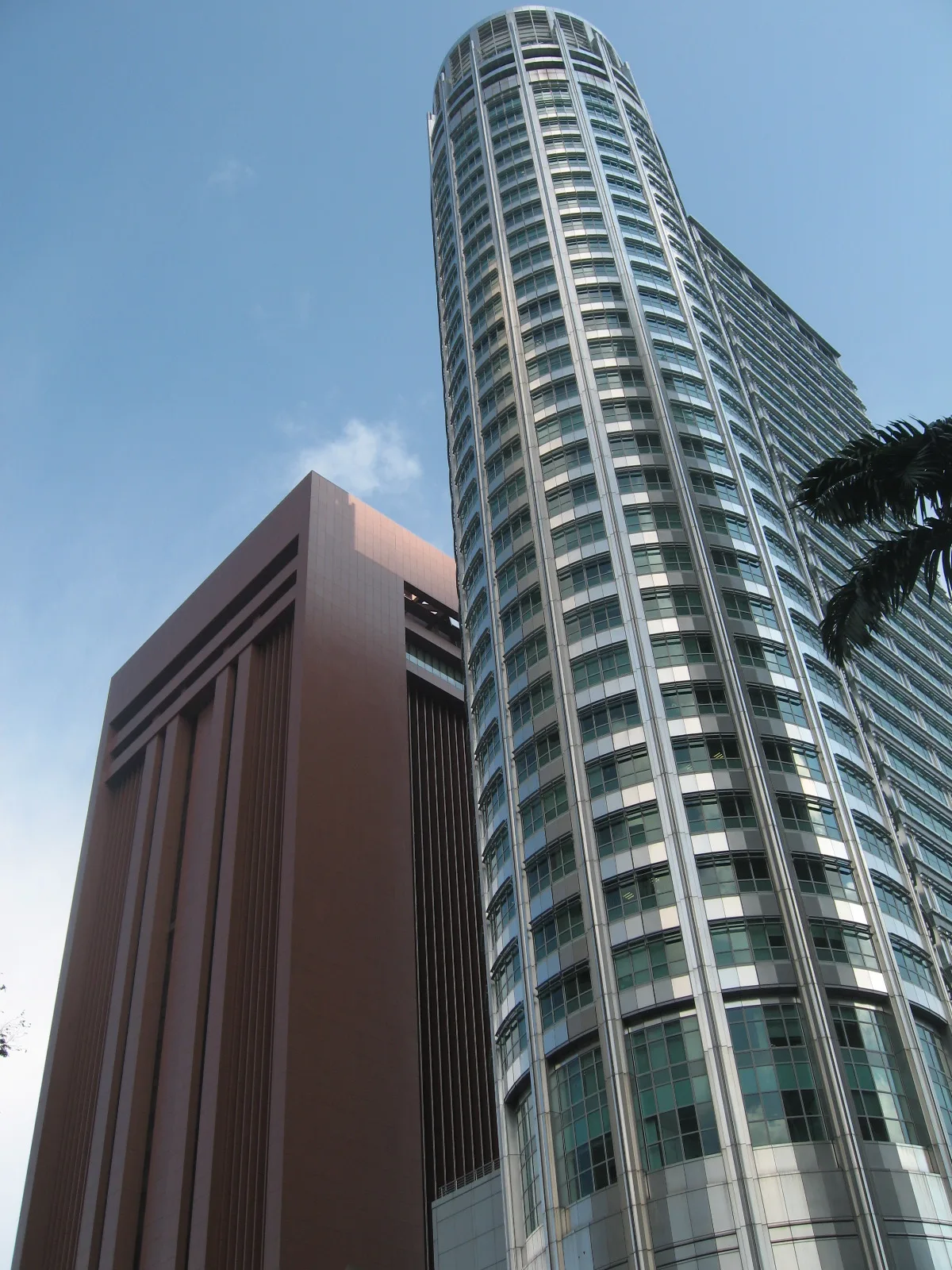
A guide to dual-class share structures on the Singapore Exchange: how multiple-vote shares work, the safeguards and voting caps SGX imposes, and the sunset clause that eventually levels the playing field.
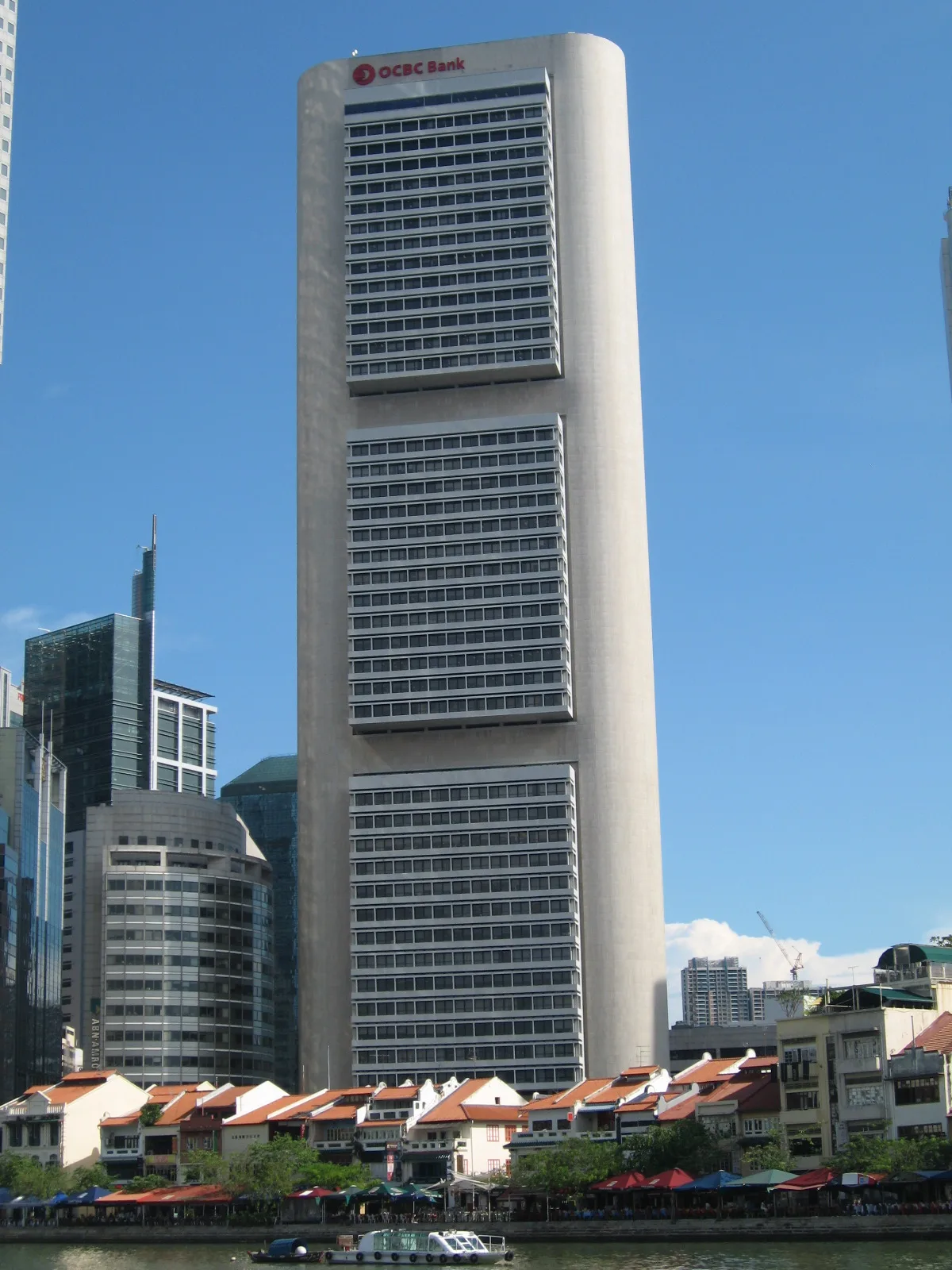
A look at how Singapore Government Securities auctions turn a stack of competing bids into one market-clearing yield, and why that number is discovered rather than set in advance.
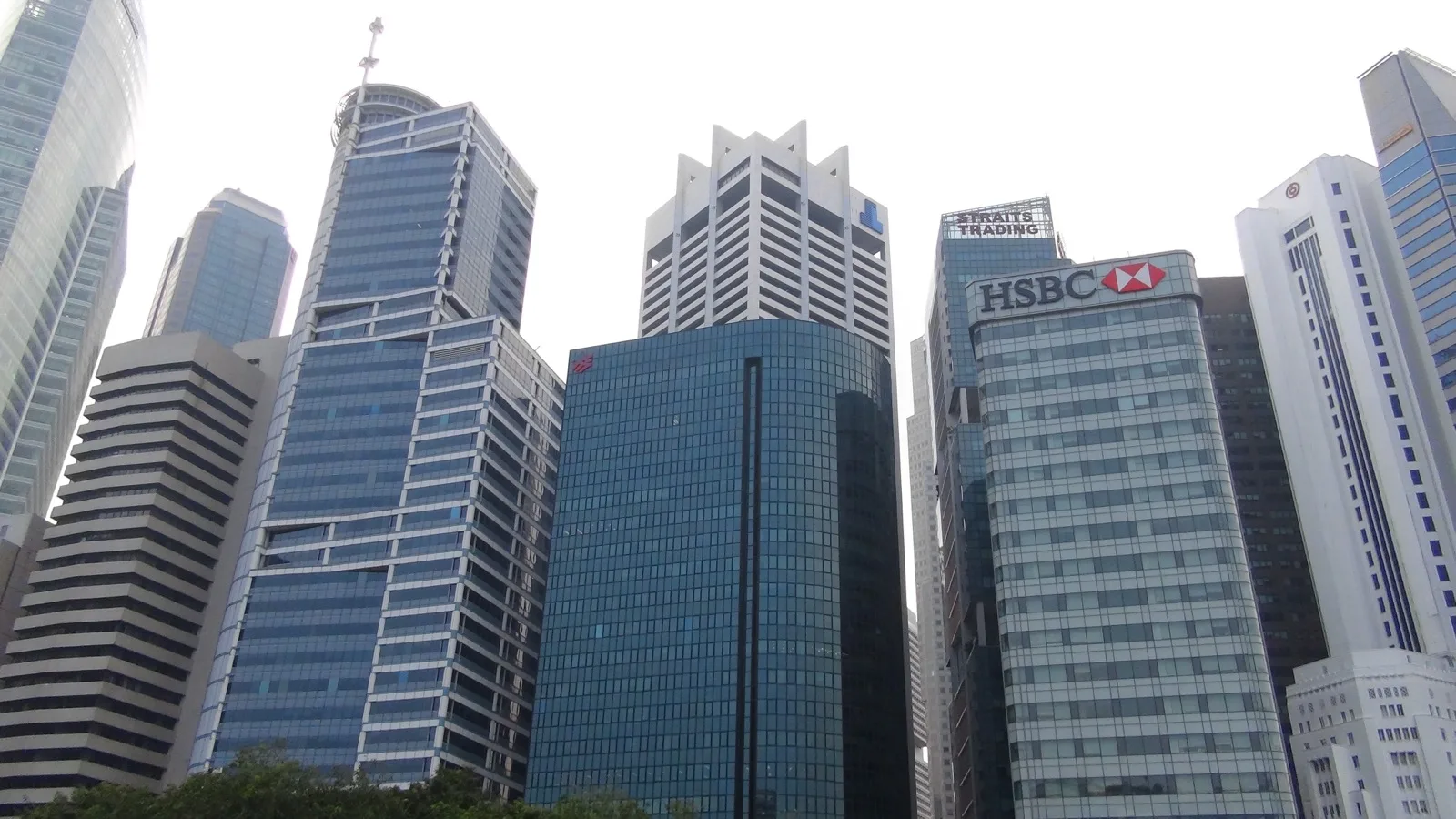
A look at how Singapore-listed real estate investment trusts are legally structured and why a single distribution rule shapes nearly everything about how they operate.