The rulebook is regulation-led rather than statute-led, and it changes often. Continuing obligations for a listed company sit in the Listing Obligations and Disclosure Requirements Regulations, 2015, last amended on July 14, 2026. Primary issuance sits in the Issue of Capital and Disclosure Requirements Regulations 2018, last amended on March 21, 2026. Control transactions sit in the Substantial Acquisition of Shares and Takeovers Regulations, 2011, last amended on December 5, 2025, and dealing by insiders in the Prohibition of Insider Trading Regulations, 2015. Foreign access runs through registration under the Foreign Portfolio Investors Regulations, 2019, last amended on July 07, 2026; SEBI and the infrastructure institutions also publish a dedicated India Market Access website for current and prospective FPIs.
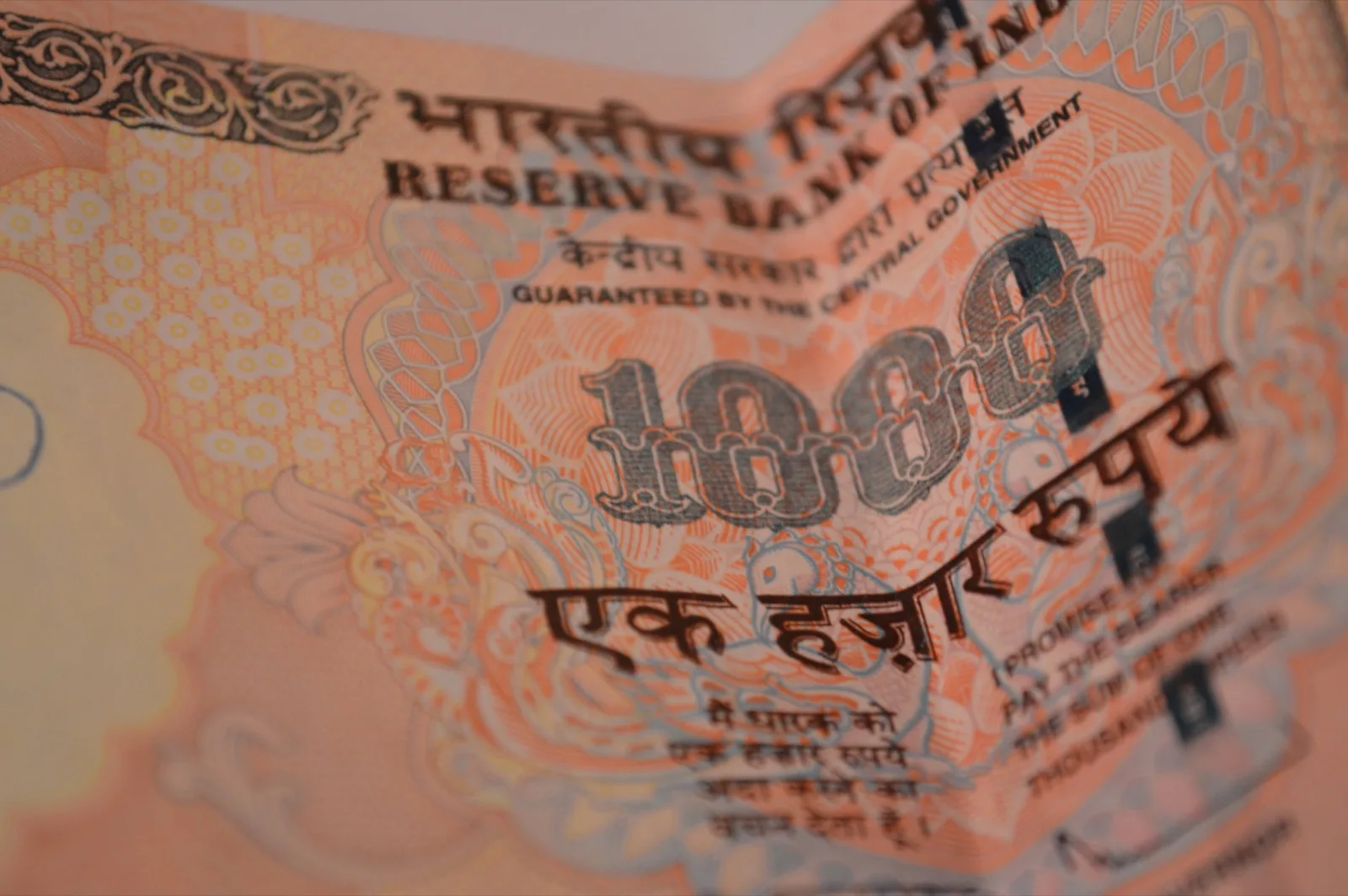
Government debt is a separate world with its own plumbing. The Reserve Bank of India issues and services central government paper, and its Public Debt Office acts as registry and depository. Treasury bills are zero coupon instruments issued at a discount in three tenors, 91 day, 182 day and 364 day. Cash Management Bills, introduced in 2010 with the first set issued on May 12, 2010, cover temporary cash mismatches at tenors shorter than 91 days. Dated securities generally run from 5 years to 40 years and pay a coupon half yearly; state governments issue only dated paper, called State Development Loans.
Auctions take competitive bids from banks, primary dealers, mutual funds and insurers, with a minimum bid of Rs 10,000 and multiples of Rs 10,000. Retail buyers bid on a non competitive basis through an aggregator, capped at a maximum of five percent of the aggregate nominal amount within the notified amount, and no more than Rupees Two crore per security per auction. Secondary trading runs on the anonymous order matching system NDS OM, which matches on price and time priority and carries separate screens for central paper, state loans and bills.
Private capital is now large enough to matter to public market pricing. SEBI’s cumulative net figures as at the end of March 31, 2026 show alternative investment funds with commitments raised of Rs 16,94,262 crore, funds raised of Rs 7,02,723 crore and investments made of Rs 6,76,365 crore, with Category II funds accounting for Rs 12,74,300 crore of the commitments. GSN covers Indian listed company disclosure, SEBI rulemaking and enforcement, primary issuance and the RBI managed government bond market.
 lobal Securities News