 lobal Securities News
Ipsen completes acquisition of Kartos Therapeutics
The French biopharmaceutical company said it has finalized the purchase of Kartos Therapeutics to strengthen its oncology pipeline.
Latest equities, bonds, and regulatory news from France, updated daily.
France’s equity market is Euronext Paris, one of the founding markets of the pan-European Euronext group. It gathers more than 800 listed companies and 5,300 institutional investors in a single pool of liquidity, and trades on Optiq, the group’s shared matching platform. Daily turnover on the Paris market averaged more than 4.1 Bn euros, on a daily average to June 2024. Across all its venues Euronext is home to almost 1,950 listed companies. Supervision is split: the Autorite des marches financiers regulates the French market and polices issuer disclosure and investor protection, while the trading rules themselves come from the EU MiFID II and MiFIR package, which ESMA implements through technical standards, guidelines and Q&As and which pushes share and derivative trading onto regulated markets, MTFs, OTFs and systematic internalisers rather than over the counter.
The benchmark is the CAC 40, built from the market capitalisation of the 40 largest French listed companies. It closed at 8,280.63 on 02/09/2026. Around it sit the CAC Next 20, the SBF 120, the broad CAC All Shares and the CAC 40 ESG, which Euronext developed in 2021.
Listing runs on a tiered structure that a reader should not confuse. The Euronext regulated market is the EU regulated venue and carried 1,074 issuers as of the end of June 2024. It is split by market capitalisation into compartment A, over 1bn euros, compartment B, from 150m to 1bn euros, and compartment C, below 150m euros. Below it, Euronext Growth is a multilateral trading facility for small and mid-sized companies with simplified listing and lighter reporting duties, and it held 596 issuers. Euronext Access and Access+ sit lower still for start-ups and smaller companies that do not meet the criteria for the regulated market or Growth, with 176 issuers between them. Access+ is a compartment of Access intended as a step towards the larger venues.
The admission gates differ by tier rather than by sector. A candidate for the regulated market needs a free float of at least 25% of market capitalisation, or at least 5% together with at least 5m euros, plus three years of audited financial statements. Euronext Growth asks for a free float of at least 2.5m euros and two years of accounts including audited accounts for the last financial year. Access+ asks for at least 1m euros of free float, and Access sets no free float requirement and accepts two years of accounts with no audit requirement. A public offer above 8m euros in Paris requires an EU Prospectus; smaller offers can use an Information Document. Accounts may be prepared under IFRS or local GAAP outside the regulated market, and every issuer needs a Legal Entity Identifier.
Enforcement and investor protection run through the AMF, which also withdrew the registration of AUTOMATA France SAS as a digital asset service provider with effect from 30 June 2026 and has warned retail investors about scams that use fake news articles to promote get-rich-quick offers.
GSN covers France through new admissions on the regulated market, Euronext Growth and Access, transfers between those tiers, CAC 40 and SBF 120 index changes, AMF decisions and warnings, and the results and transaction disclosures of Paris-listed issuers.
Sources
This overview is based on the official documents listed below, last checked 2026-09-03. Figures are as stated in those documents.
Three conference posters lay out the biology behind lanifibranor, the French biotech's lead drug candidate. They explain the theory; they do not replace the Phase 3 trial results the company expects this quarter.
The French biopharmaceutical company said it has finalized the purchase of Kartos Therapeutics to strengthen its oncology pipeline.

The renewable energy producer said the International Finance Corporation plans to subscribe convertible preferred shares in its VMI subsidiary, pending a September shareholder vote.
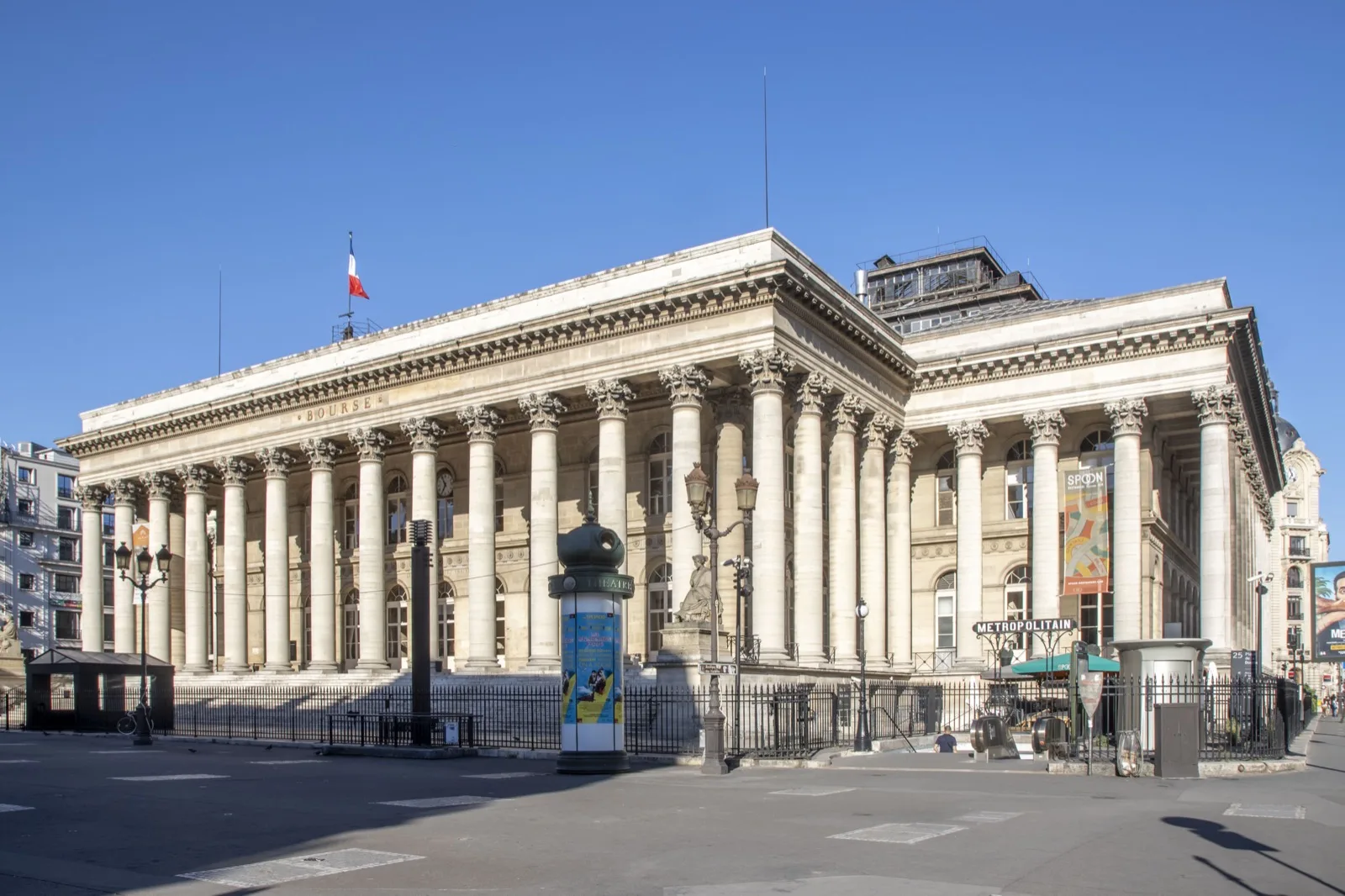
The French satellite operator said completion of the programme's First Rendez-Vous opens full industrial execution, with investments of over 3 billion euros planned through 2034.

The French gene-editing biotech confirmed a cash runway into the fourth quarter of 2027 and pointed to pivotal-stage data expected for lasme-cel in late 2026.

The multi-technical services group reported revenue of 5,156.6 million euros, a 6.2% EBITA margin and five bolt-on acquisitions representing about 670 million euros of annual revenue.

The French mining group reported 276 million euros of adjusted EBITDA and a return to positive free cash flow, with its Argentine lithium plant at 90% of nameplate capacity.
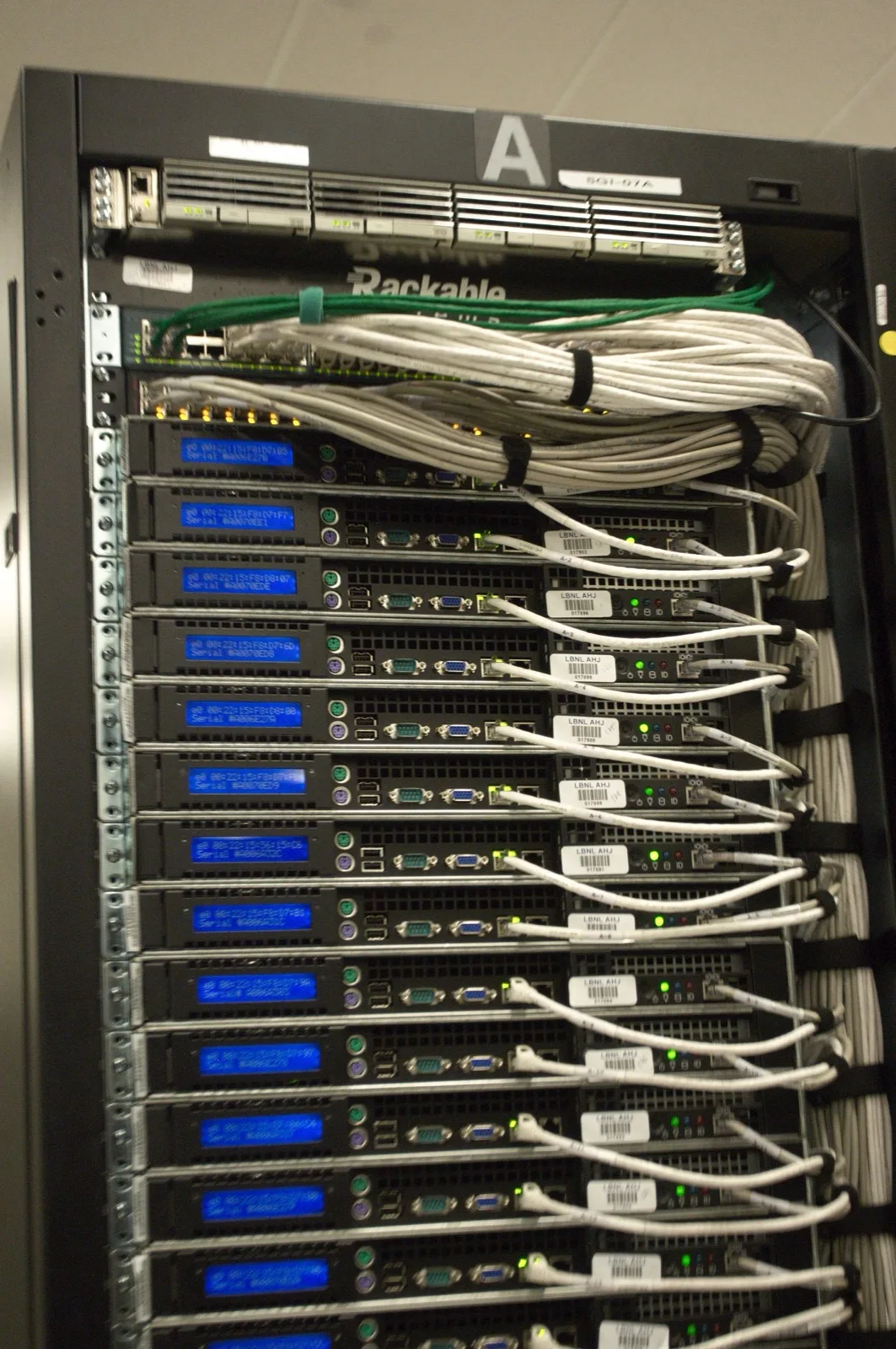
Kalray, a French semiconductor company, announced a partnership with Bull (Eviden) to co-develop Ultra Ethernet-compatible networking technology for AI and high-performance computing.
The Paris-listed enterprise AI company posted 1.1 million euros in half-year revenue and said it is in advanced financing discussions to extend its cash runway.

The French defense technology group reported quarterly revenue of 144 million euros and confirmed its full-year targets as a Thales tender offer looms.
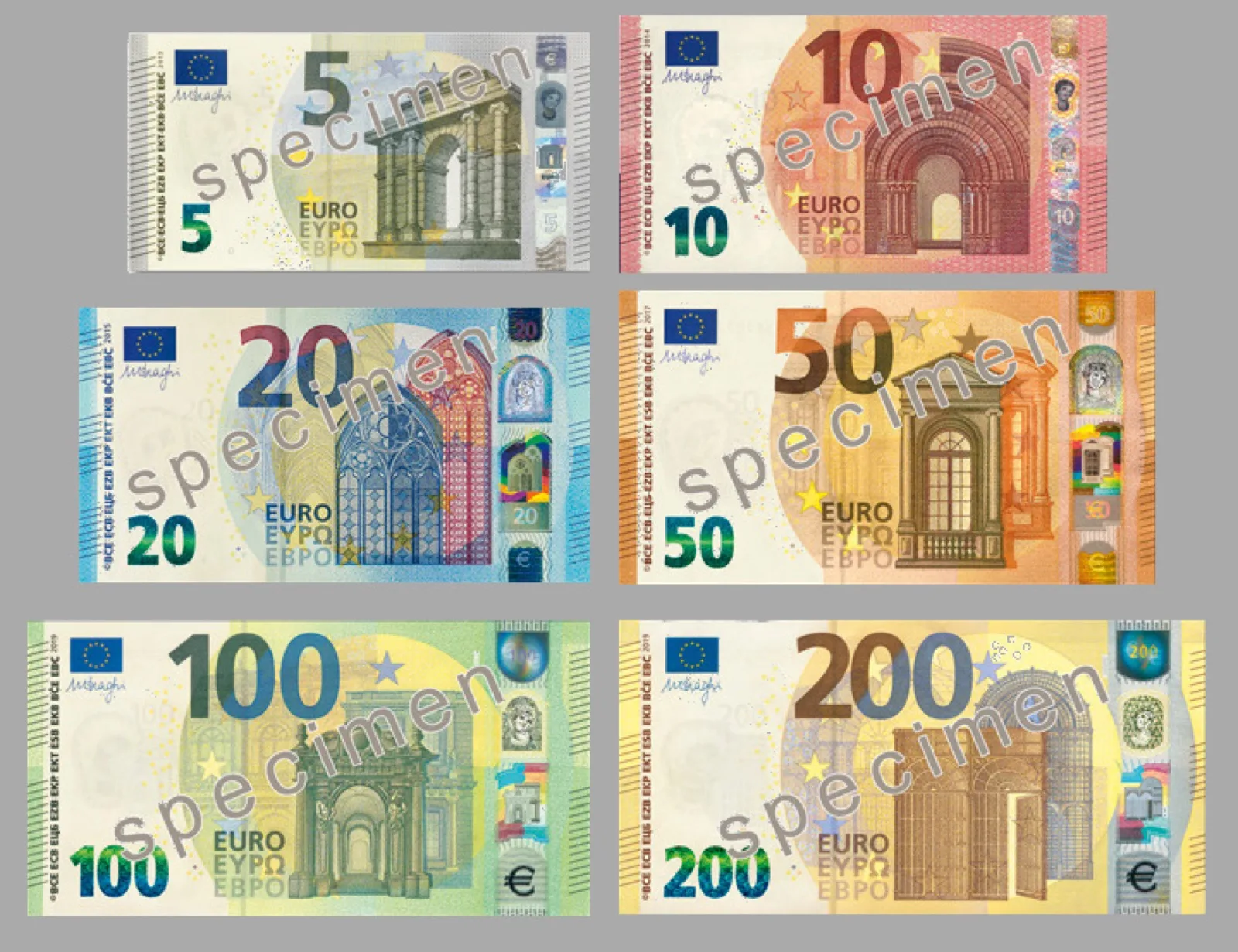
When does a gap from financial targets become a legal duty to disclose immediately? An explainer on the European mechanism that separates a mandatory profit warning from a routine guidance update.
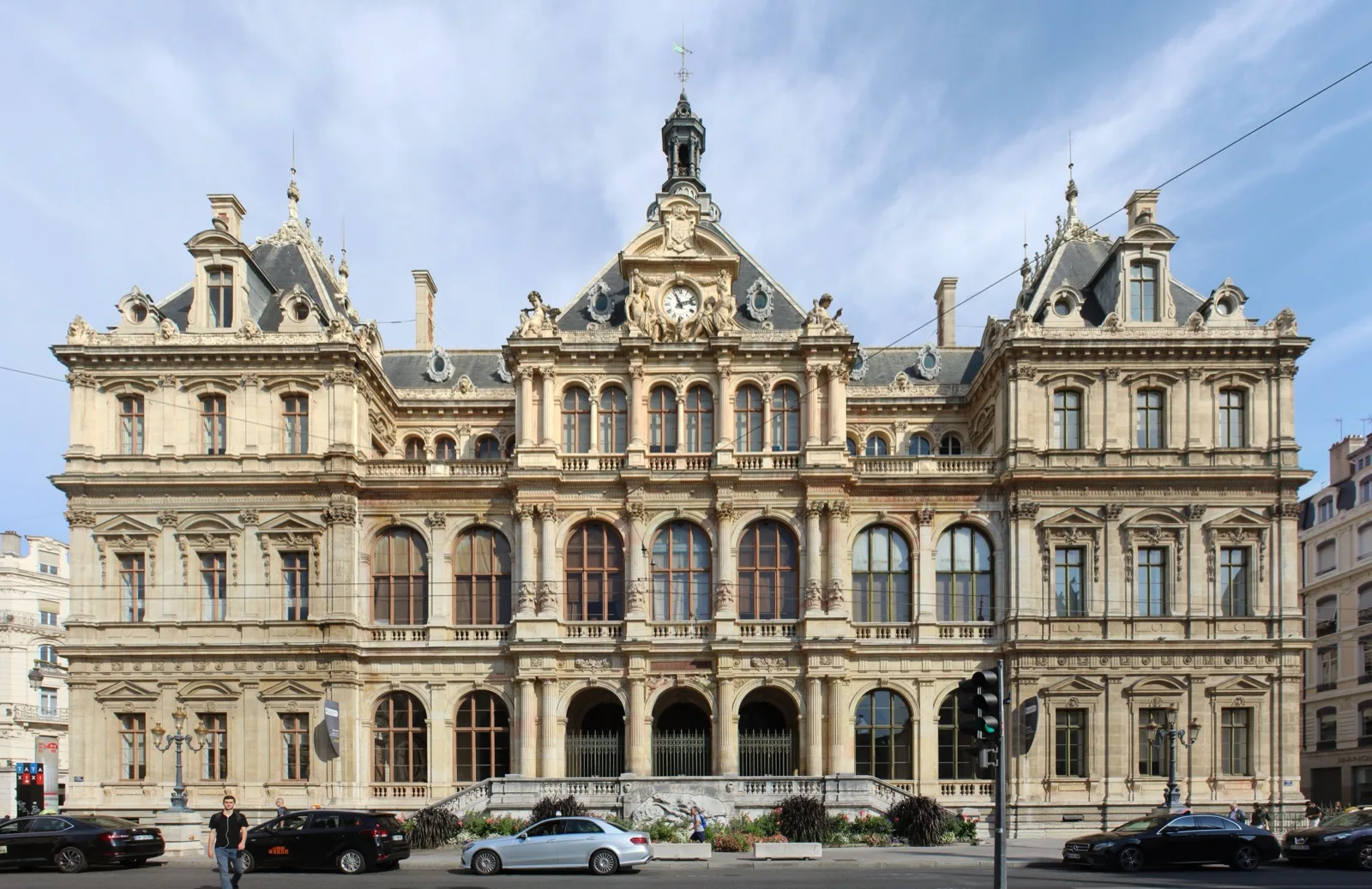
How a liquidity contract, overseen by the AMF, lets an independent provider narrow the bid-ask spread on a thinly traded stock without crossing the line into market manipulation.

Conversion ratio, premium, and dilution: how OCEANE bonds let French listed companies raise funds without an immediate capital increase.
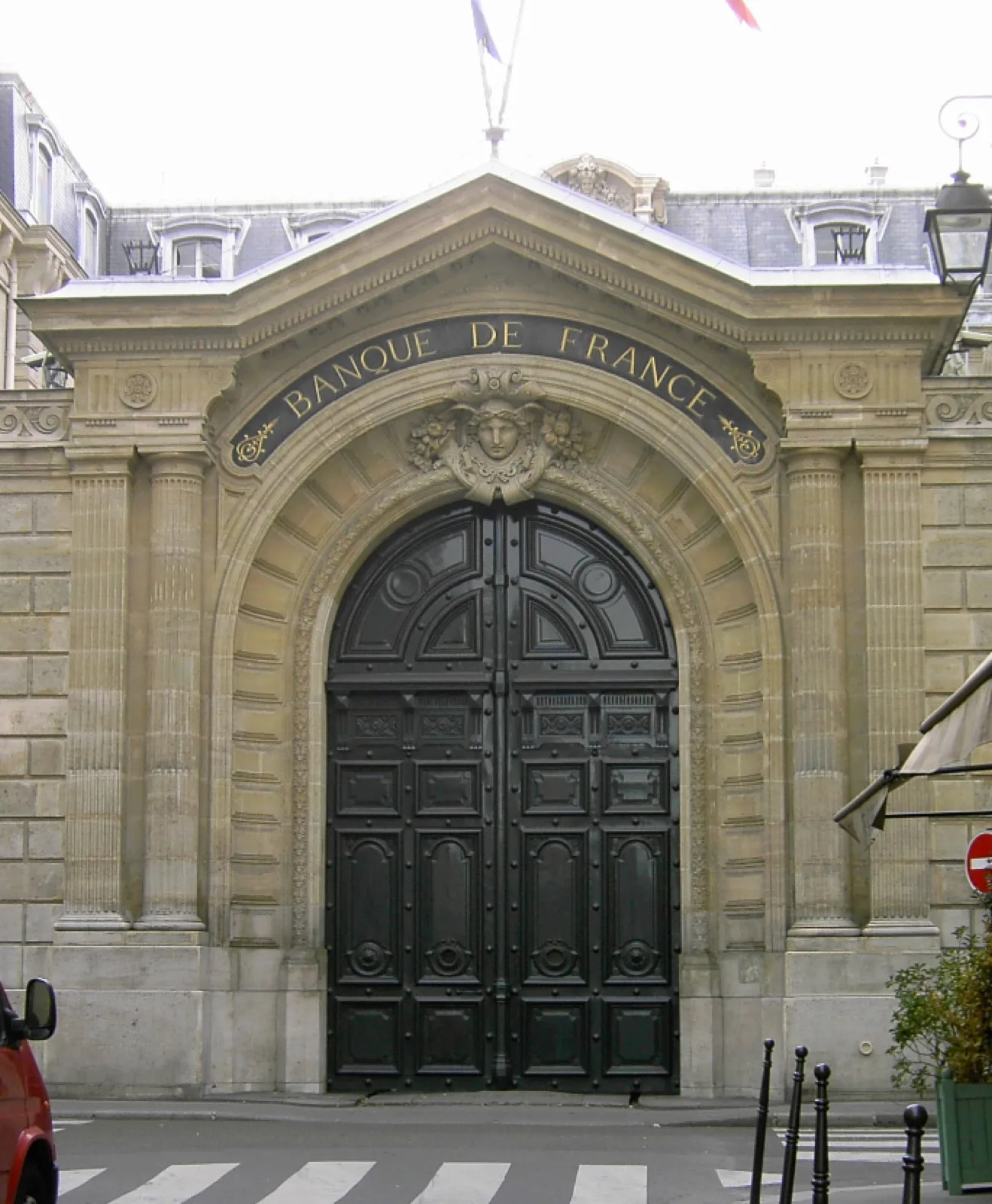
Contribution cap, eligibility limited to European securities, taxation that eases over time: how the French equity savings plan (PEA) works, the country's flagship tax-advantaged wrapper for stock market investing.
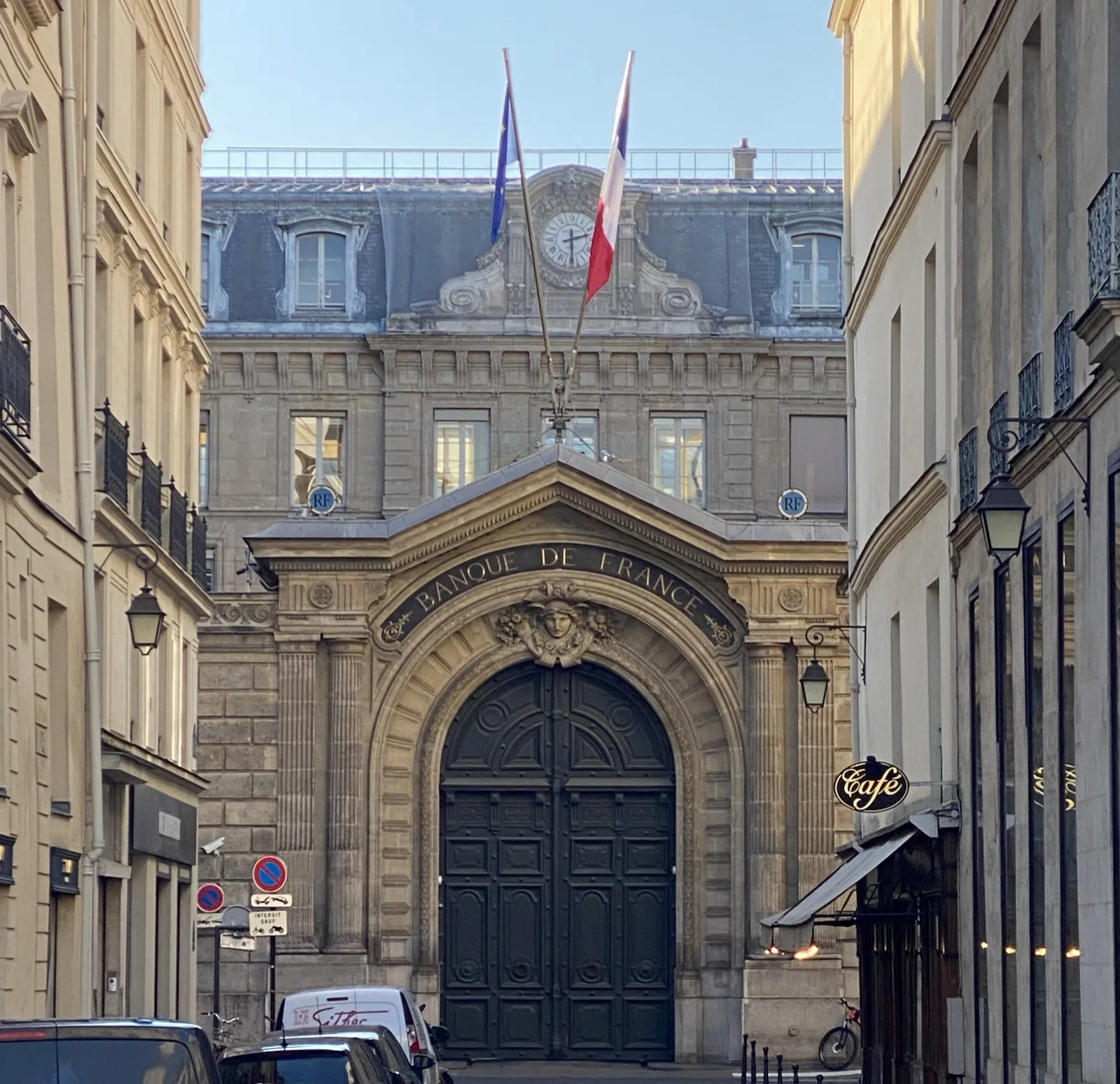
In France, crossing the 30% threshold of capital or voting rights, alone or acting in concert, in a listed company requires the acquirer to offer to buy all remaining shares. A mechanism central to minority shareholder protection.

From the subscription period through first trading, the concrete steps that define an IPO on Euronext Paris.