 lobal Securities News
Immatics Updates SUPRAME Phase 3 Trial Progress and Q2 Financials
Immatics N.V. reported second quarter 2026 financial results and provided a business update on its lead melanoma therapy anzu-cel.
Latest equities, bonds, and regulatory news from Germany, updated daily.
Germany’s equity trading runs through the Frankfurt Stock Exchange and its electronic order book Xetra, operated by Deutsche Boerse Group. Supervision sits with the Federal Financial Supervisory Authority, known as Bafin, which enforces the German Securities Trading Act (Wertpapierhandelsgesetz, or WpHG) and the EU Market Abuse Regulation. Bafin’s enforcement is routine rather than exceptional: it fined TeamViewer SE 240,000 euros on 16 July 2026 for failing to disclose a cyberattack as inside information without delay, and much of the rest of its casework concerns late voting-rights notifications and missed reporting deadlines.
The benchmark is the DAX, which tracks the 40 largest companies listed on the Regulated Market of the Frankfurt Stock Exchange that meet minimum quality and profitability requirements. Selection runs on free-float market capitalisation. Deutsche Boerse Group has calculated the index since July 1, 1988, STOXX Ltd. began administering it in September 2019, and the number of holdings rose from 30 to 40 effective September 20, 2021. Since March 18, 2024 the weight of any single share is capped at 15%, up from the earlier 10% cap, so no one component dominates. The index generally covers over three quarters of the aggregated market capitalisation of companies listed on that market.
The entry tests are explicit. A DAX candidate needs a Regulated Market listing, continuous trading on Xetra, a minimum free float of 10%, legal or operating headquarters in Germany, and timely publication of audited annual reports, half-yearly reports and quarterly statements. A company not yet in the index must show a minimum order book volume over the last 12 months of 1 bn EUR or a turnover rate of 20%, and positive EBITDA for the two most recent fiscal years. An existing component faces a lower bar, 0.8 bn EUR or a turnover rate of 10%. Composition is reviewed quarterly under the Fast Entry and Fast Exit rules and semi-annually under the Regular Entry and Regular Exit rules.
The sovereign debt market is run by the Finance Agency for the Federal Republic. Federal securities are issued with original maturities from 12 months to 30 years, leaving around 80 highly liquid tradable issues outstanding at any time and an almost complete nominal yield curve. Only members of the Bund Issues Auction Group may buy directly, bidding through the Deutsche Bundesbank’s Bund Bidding System between 8:00 am and 11:30 am. Auctions are multi-price: accepted bids are filled at the price each bidder quoted, and bids without a price indication are allocated at the weighted average price of accepted price bids. The minimum bid is 1 mn euros or a whole multiple, in steps of 0.01 percentage points for Federal bonds and notes, 0.005 for Federal Treasury notes and 0.00005 for Treasury discount paper.
One feature foreign readers often miss is the retention quote. The Federal government withholds part of each auction and releases it into the secondary market later. That share has averaged below 20% of issuance volume since 2006 and reached 21.5% on an accumulated basis in 2025. Treasury discount paper is placed on Mondays, Federal Treasury notes and Federal notes on Tuesdays, and nominal-interest Federal bonds of seven years or more on Wednesdays.
GSN covers Xetra and Regulated Market issuers, DAX composition changes at the quarterly and semi-annual reviews, Bafin fines and supervisory statements, and Finance Agency auction results.
Sources
This overview is based on the official documents listed below, last checked 2026-09-03. Figures are as stated in those documents.
The Hamburg shipowner reported first-half revenues of EUR 78.6 million, lifted its EBIT outlook and announced the acquisition of four product and chemical tankers.
Immatics N.V. reported second quarter 2026 financial results and provided a business update on its lead melanoma therapy anzu-cel.
The Nuremberg database company reported annual recurring revenue of EUR 37.9 million and a sharply lower churn rate in its half-year report for 2026.
The Berlin isotope specialist reported stable half-year sales of EUR 149.3 million and slightly higher net income, reiterating its full-year guidance.

The Hanover-based inspection systems maker reported a sharply higher order book for the first half of 2026 and confirmed its full-year forecast despite lower revenue.

The hydrogen electrolysis specialist cut its fiscal 2025/26 earnings outlook and will book about EUR 30 million in one-time impairments after discontinuing SOEC mass production.

The Bremen-based space group reported higher revenues and earnings for the first half of 2026 and confirmed its full-year guidance.
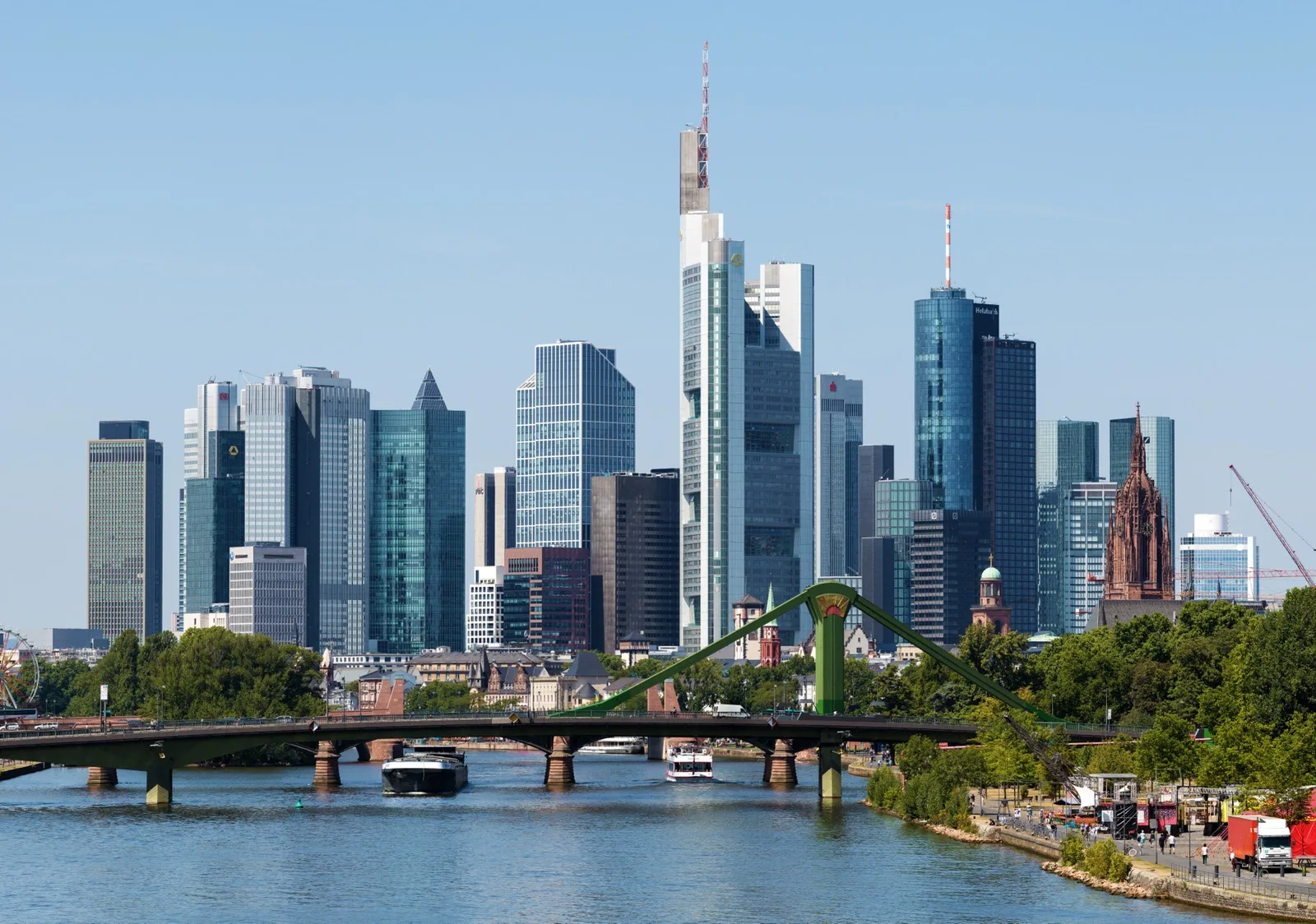
The Wiesbaden-based carbon specialist posted a positive net result and stronger free cash flow in the first half of 2026 despite a 13 percent sales decline.
Why listed German companies must prepare both an IFRS consolidated group statement and separate HGB statutory accounts, and what investors, tax authorities and shareholders actually use each set of figures for.

Why can one listed company in Frankfurt skip quarterly reports entirely while another must report in English every three months? The answer lies in which listing segment it chose.
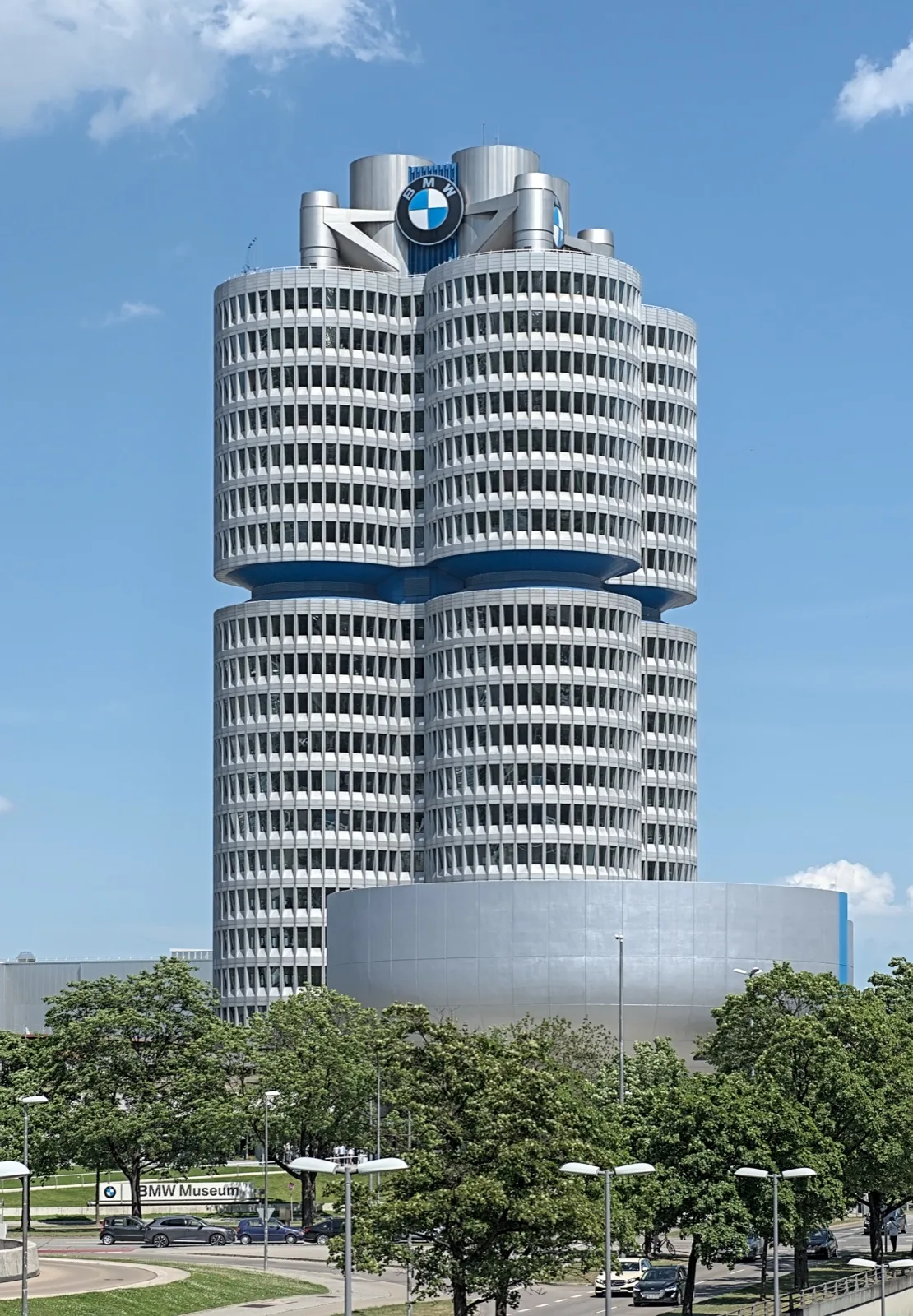
A look at Section 327a of Germany's Stock Corporation Act explains how the law lets a majority shareholder push out remaining minority shareholders for cash compensation, and where this procedure's limits lie.
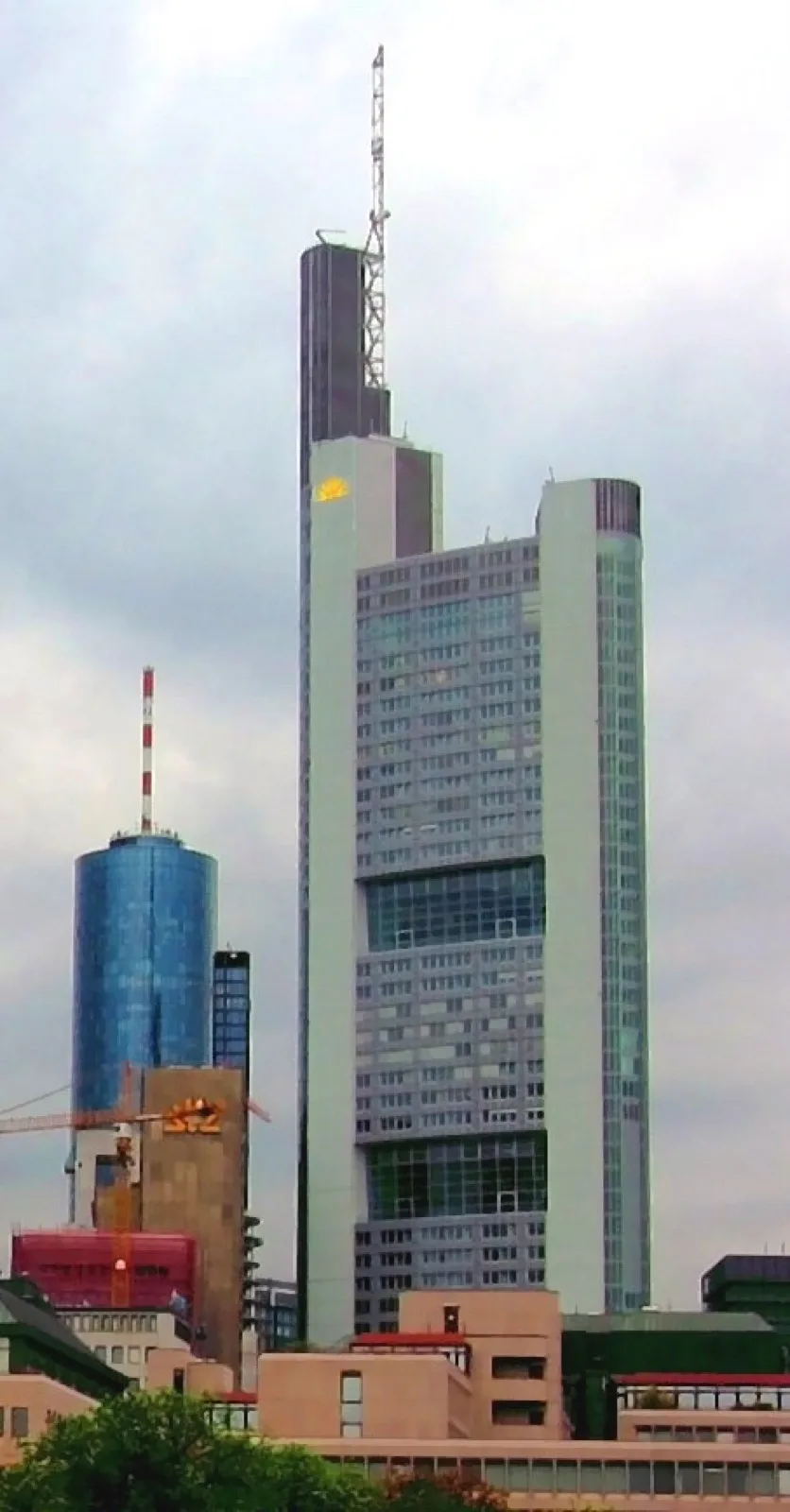
A look at the legally protected cover pool that gives Pfandbrief holders a priority claim over other creditors if the issuing bank fails.
A look at Germany's two-tier share structure of common and preferred stock: why companies issue both classes and what stock corporation law says happens when the preferred dividend is skipped.
Net short-selling positions don't stay hidden forever: above certain thresholds, they must be reported to regulators, and some of that data becomes publicly accessible.
From initial consultation to binding rule: how financial regulators like BaFin develop and enforce disclosure requirements for listed companies through a multi-stage process.

How a German stock exchange withdrawal proceeds legally and what it practically means for shareholders' trading ability, information rights, and compensation.
Anyone acquiring more than 30 percent of a publicly listed company in Germany must make an offer to all remaining shareholders under rules the WpÜG spells out in precise detail.
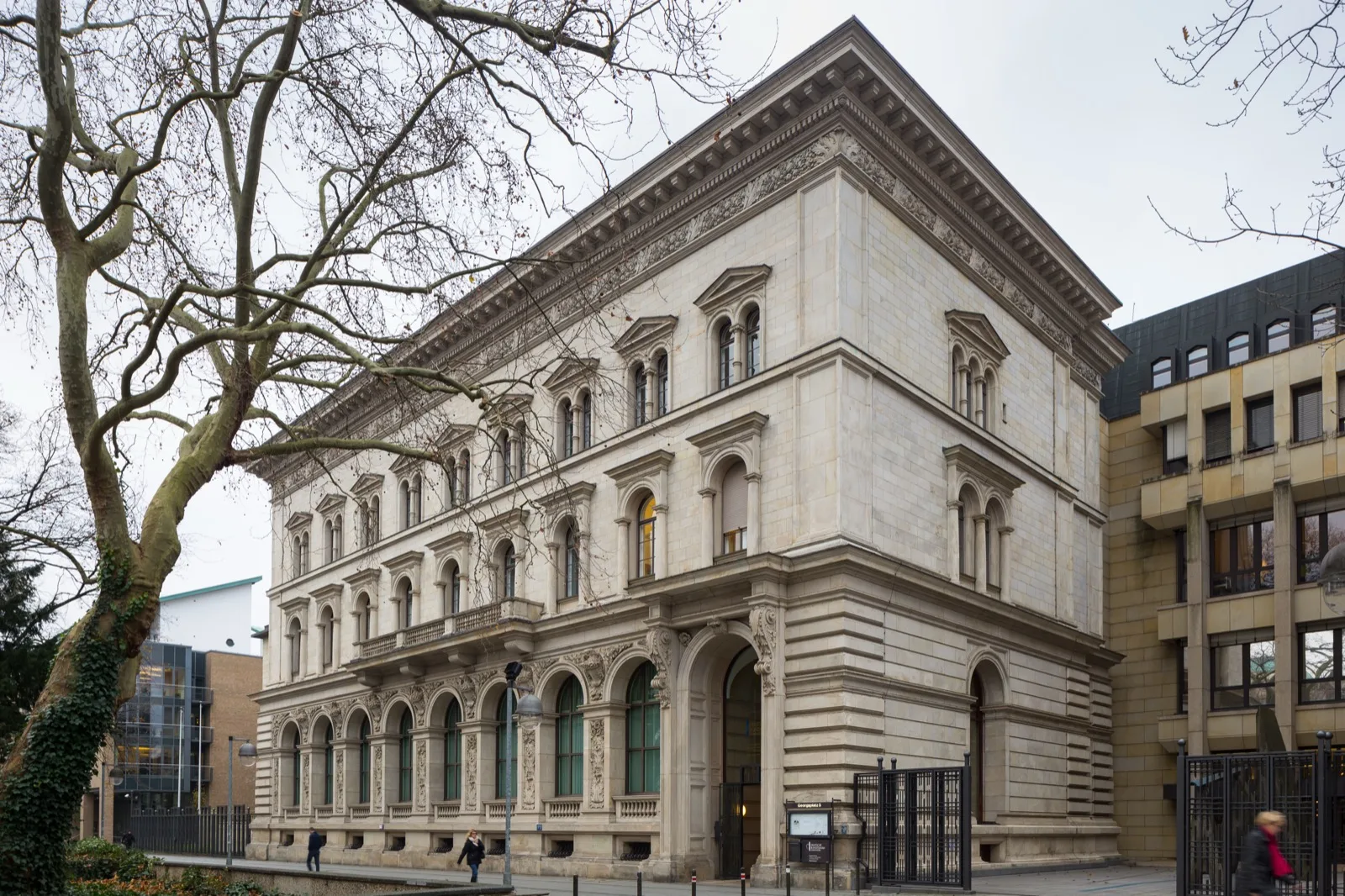
A look behind the scenes of the Frankfurt Stock Exchange's electronic Xetra system: from the central order book to price determination.