 lobal Securities News
TIM S.A. Approves New Buyback of Up to 55,187,638 Shares
TIM S.A.'s board approved Program 9, a buyback of up to 55,187,638 common shares worth a maximum of R$1 billion, and closed the previous program on August 12, 2026.
Latest equities, bonds, and regulatory news from Brazil, updated daily.
Brazil runs a single integrated exchange and clearing group, B3, which lists equities, corporate debt, funds, exchange traded products and Brazilian Depositary Receipts and also operates the country’s derivatives and central counterparty infrastructure. The public register B3 publishes for listed and registered companies returned 3,509 records when queried on 09/03/26, a figure that counts operating issuers alongside depositary receipt programmes and listed funds, so it is far larger than the number of actively traded ordinary shares. The headline equity benchmark is the Ibovespa. Its theoretical portfolio for 09/03/26 held 77 securities, with a total theoretical quantity of 93,445,474,507 and an index reductor of 13,804,553.05521378.
The regulator is the Comissão de Valores Mobiliários. It was created on 07/12/1976 by Lei 6.385/76 to supervise, regulate, discipline and develop the securities market, and it is an autarquia in a special regime linked to the Ministério da Fazenda, with its own legal personality and assets, independent administrative authority, fixed terms for its directors and budgetary autonomy. Its rules are issued as Resoluções by the Colegiado under Lei nº 6.385 and Lei nº 6.404, both of 1976, and they are organised by subject: open companies, securitisation companies, portfolio managers, independent auditors, credit rating agencies, fiduciary agents, investment clubs, BDRs and investor registration and anti money laundering.
Monetary policy sits with the Banco Central do Brasil, and the Comitê de Política Monetária sets the Selic target that prices most of the domestic curve. At its 280th meeting, on 2026-08-05, the committee set a Selic target of 14.0 percent effective from 2026-08-06, down from the 14.25 percent that had applied since 2026-06-18.
Federal debt is the deepest instrument class in the country and the Tesouro Nacional publishes a monthly report on it. The stock of Dívida Pública Federal rose 0.22 percent in nominal terms to R$ 9,288.78 billion in July from R$ 9,268.39 billion in June. Domestic debt, DPMFi, was 96.34 percent of that at R$ 8,948.72 billion, and external debt, DPFe, ended July at R$ 340.06 billion, or US$ 66.98 billion. By indexer the stock was 51.11 percent floating rate, 26.02 percent price index linked, 19.22 percent fixed rate and 3.65 percent exchange rate linked, against the 2026 annual borrowing plan bands of 49.0 to 53.0 percent, 21.0 to 25.0 percent, 20.0 to 24.0 percent and 3.0 to 7.0 percent respectively. Floating rate LFT alone accounted for 51.07 percent of the total stock.
Retail participation is unusually direct. The Tesouro Direto programme sells federal bonds to individuals without an intermediary, and it accounted for R$ 11.67 billion of the R$ 198.14 billion of DPMFi issued in July 2026, against R$ 184.62 billion sold at traditional auctions and R$ 1.85 billion in direct issues. The programme registered 270,502 investors during the month, of whom 119,005 became active. Instrument by instrument the domestic stock rests on four families: LFT floating rate notes, LTN zero coupon bills, NTN-B inflation linked notes, which stood at R$ 2,311.60 billion in July, and NTN-F fixed coupon bonds at R$ 647.15 billion. GSN covers B3 listed company disclosures and index reviews, CVM rule making and enforcement, Copom decisions and the Tesouro Nacional issuance calendar.
Sources
This overview is based on the official documents listed below, last checked 2026-09-03. Figures are as stated in those documents.
Answering B3 Letter No. 253/2026-SLE, Braskem said talks with financial creditors have intensified but that no decision had been reached on restructuring terms.

TIM S.A.'s board approved Program 9, a buyback of up to 55,187,638 common shares worth a maximum of R$1 billion, and closed the previous program on August 12, 2026.

Afya reported second quarter 2026 revenue of R$972.1 million and net income of R$201.3 million, and returned R$447.9 million to shareholders in the first half.

Holders tendered US$1,007,324,000, or 77.49%, of CSN Inova Ventures' 2028 notes into an exchange for new 11.000% notes due 2030 plus cash.

Gerdau said it closed the acquisition of a 23.03% stake in Dona Francisca Energetica from Copel, with a total cash disbursement of R$150,719,205.75.

Inter & Co reported second quarter 2026 net income of R$421 million, a 16.3% return on equity and 32% net revenue growth, with funding of R$77 billion.

Understand Juros sobre Capital Próprio (interest on equity), a payout mechanism unique to Brazil that looks like a dividend but follows an opposite tax logic for the company and the investor.

Learn how the post-IPO lock-up period works on Brazil's B3 exchange, the contractual clause that stops controlling shareholders, executives and some anchor investors from selling shares for months after listing.

A look at how the duty to disclose material facts aims to stop price-sensitive information from reaching some investors before others.
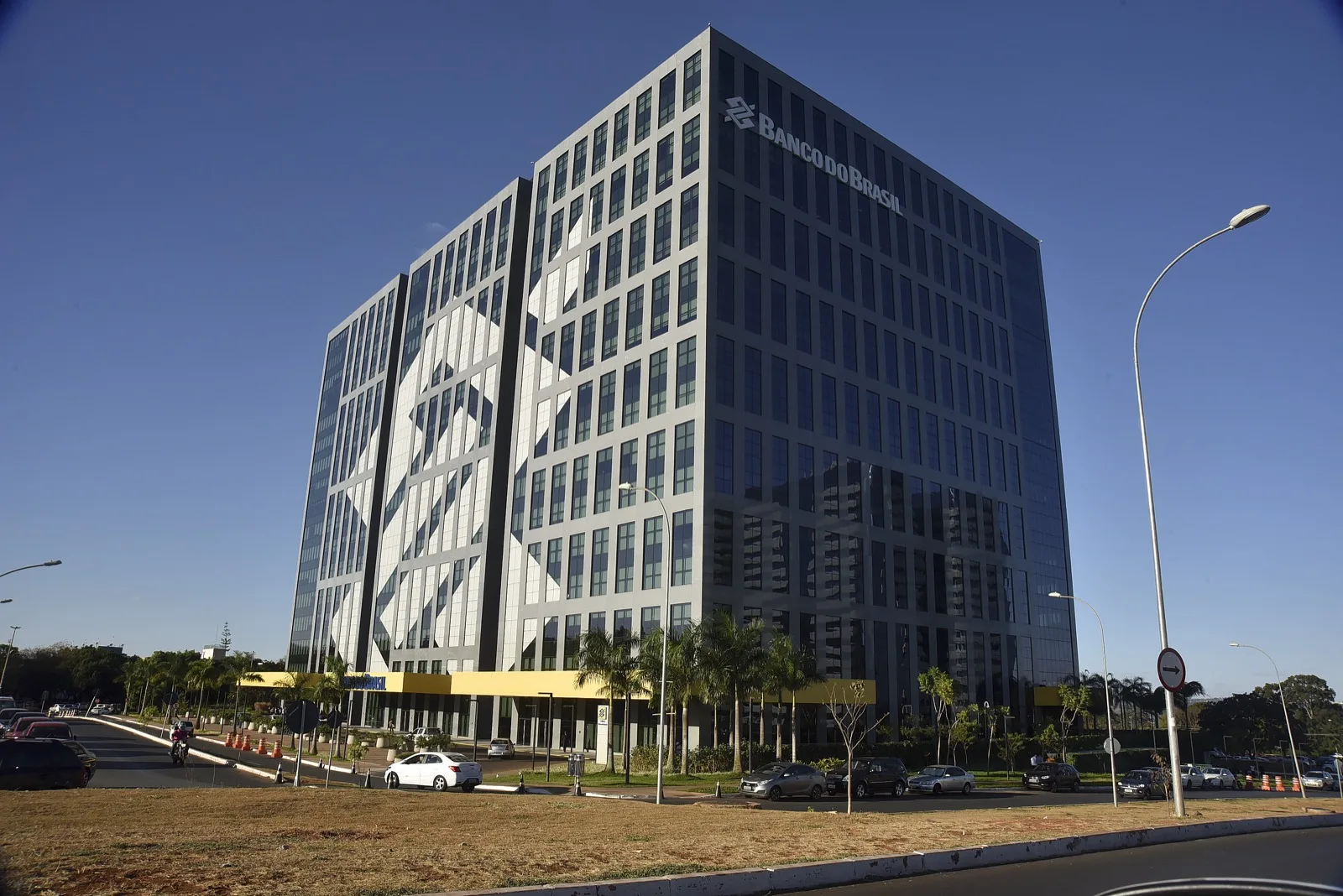
Understand why these securities backed by real estate and agribusiness receivables work differently from traditional corporate debt, and what explains their income tax exemption for individual investors.
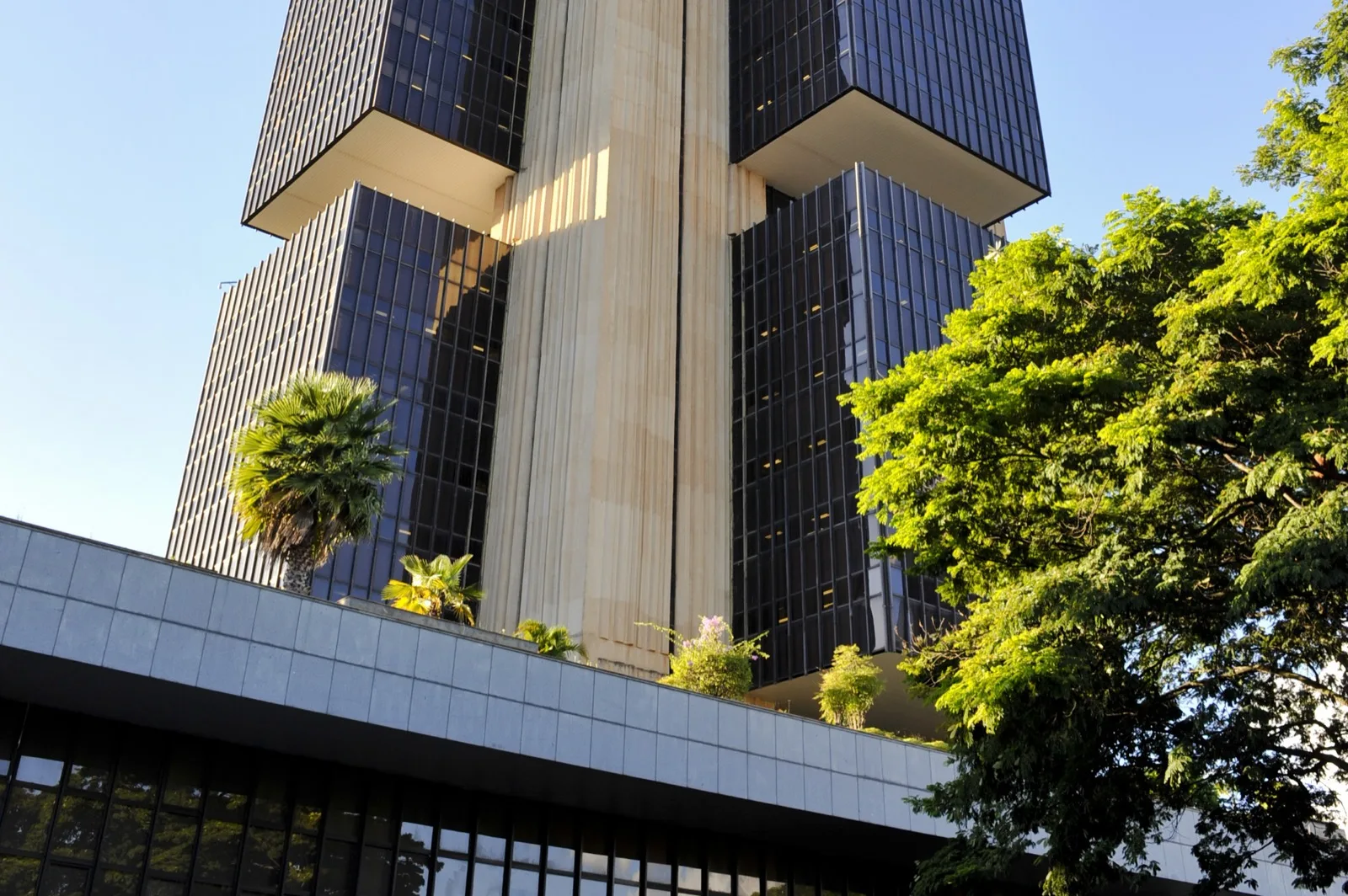
How Brazil's Corporations Law and B3's Novo Mercado tag-along rules require an acquirer of a company's control to extend its buyout offer to minority shareholders.

How an IPCA-indexed security combines a fixed rate with inflation changes, and why the value shown on your statement shifts every day even without any sales.

How a debenture works, why it carries no voting rights or dividends, and how its interest is usually calculated.

Before any security debuts on the exchange, a multi-week process unfolds where major investors confidentially reveal how much they would pay for a stake in the company. Here's how bookbuilding works.