 lobal Securities News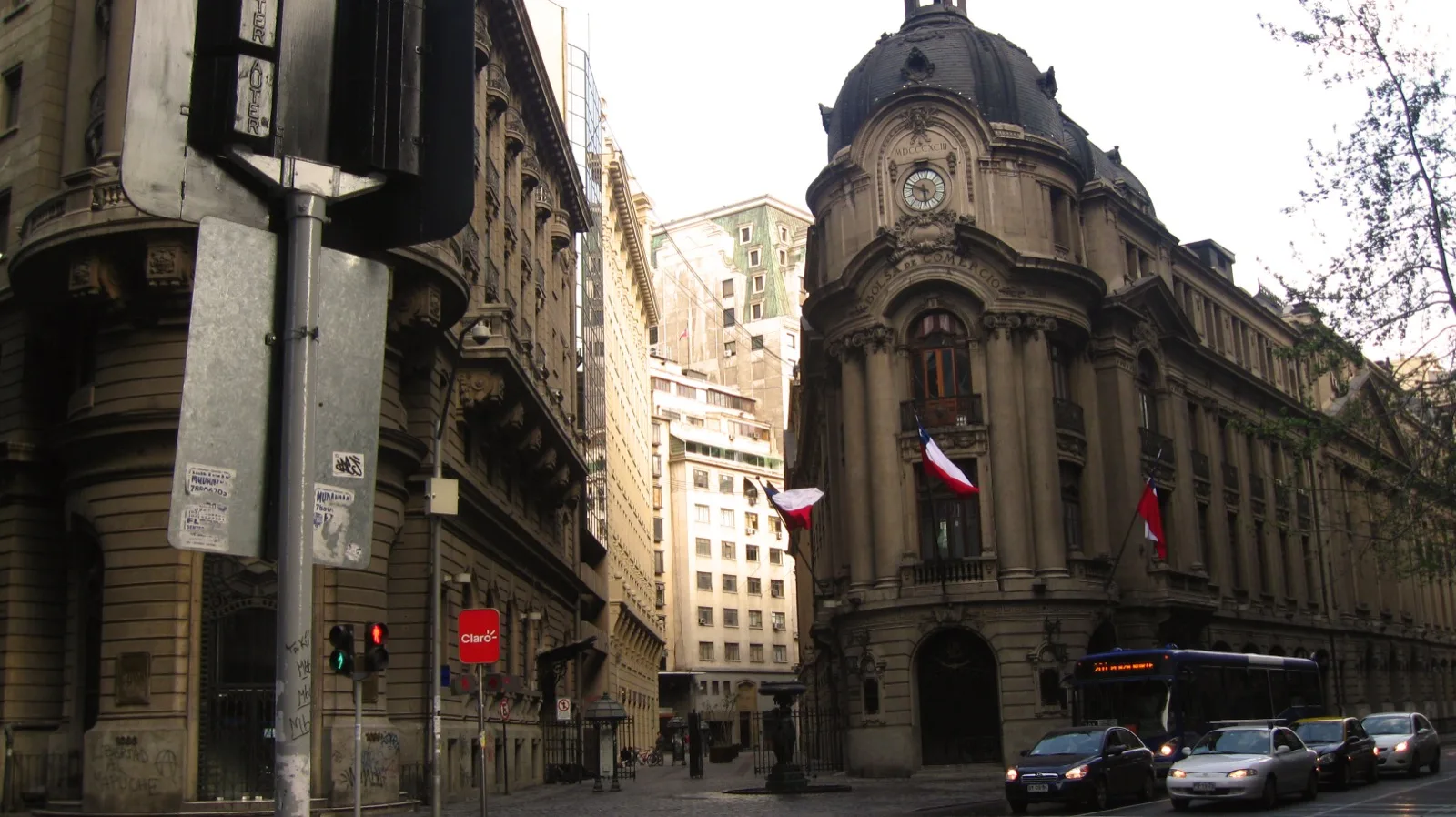
Molymet completes US$40 million purchase of United States alloys maker Rhenium Alloys
Chile's Molibdenos y Metales closed its roughly US$40 million acquisition of Rhenium Alloys after United States security clearance, adding American manufacturing.
Latest equities, bonds, and regulatory news from Chile, updated daily.
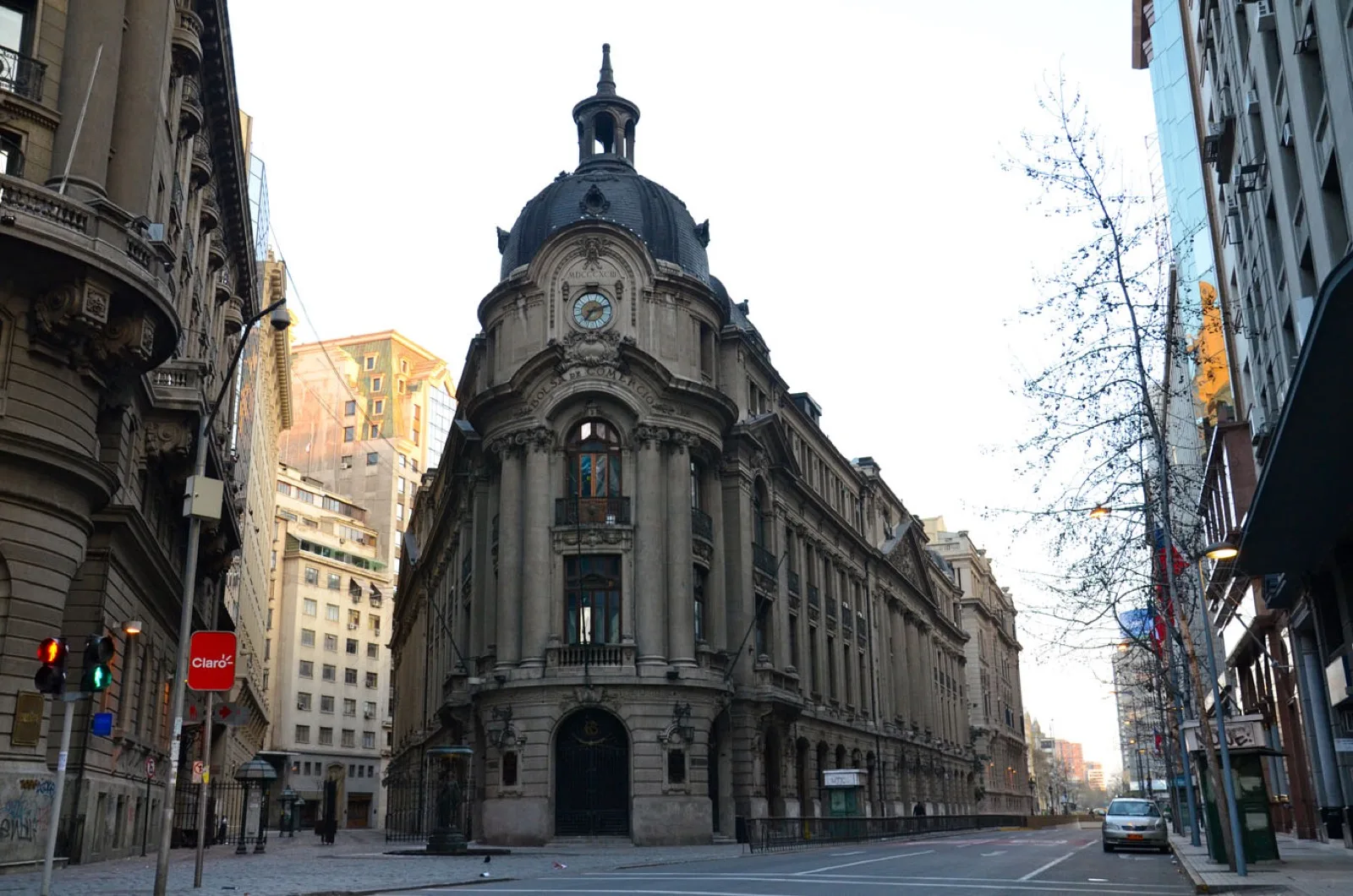
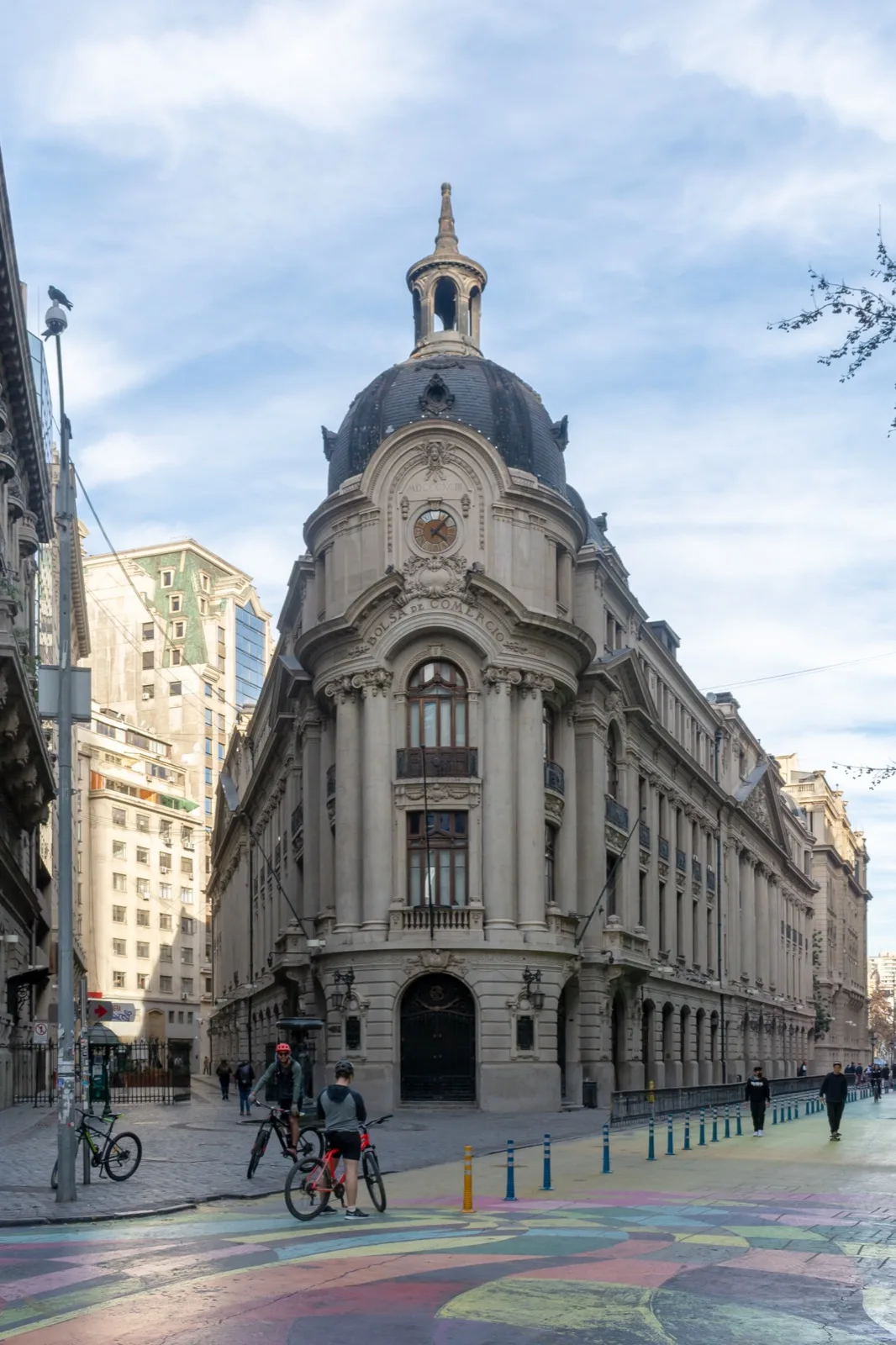
Chile’s securities market is supervised by the Comision para el Mercado Financiero, the CMF, which authorises and oversees exchanges, brokers, custody companies and the securities admitted to public offering. Two exchanges operate, the Bolsa de Comercio de Santiago, founded in 1893, and the Bolsa Electronica de Chile, founded in 1989. Both need CMF authorisation and must meet the requirements of Title VII of Ley N° 18.045, the securities market law, and both carry self regulatory powers, including suspending the quotation of a share and sanctioning their own members. Companies themselves are governed by Ley N° 18.046 on sociedades anonimas. The exchanges compile their own share indices, which the CMF describes as the reference used to measure a market, a segment or an industry and as the benchmark for managed portfolios.
Trading is intermediated. Only corredores de bolsa may buy and sell listed shares, and those trades must happen on an exchange, through continuous public auction mechanisms covering debt, equity, financial intermediation and money market instruments. Title VII requires an exchange to operate with at least 10 stockbrokers, bars any broker from holding directly or indirectly more than 10% of an exchange, and requires the systems and procedures needed to assure a unified market and best execution of investor orders. Norma de Caracter General N° 480 regulates how the two exchanges interconnect.
The registration layer changed recently. Since the Ley Fintec, N° 21.521, took effect on 3 February 2023 the Registro de Valores no longer records issuers at all, only the public offering securities themselves. Companies seeking to trade on the emerging market segments the exchanges regulate register under Norma de Caracter General N° 346, which also sets the disclosure, placement and continuing information obligations for that segment. Settlement and custody sit with a single institution: Deposito Central de Valores S.A. is the only securities depository registered with the CMF, operating under Ley N° 18.876, which limits depositors to a defined list including the Treasury, the Banco Central, brokers, banks, insurers and third party fund managers.
Government paper is run by the Oficina de la Deuda Publica, which proposes the borrowing strategy to the Finance Minister and places Treasury bonds. It reported gross debt of 41.5% of GDP at December 2025, an average maturity of 10.4 years at the 2025 close, bond amortisations of US$7.211 billion falling due in 2026, and ratings of A2/A-/A from Moody’s, Fitch and S&P. Its auction calendar for 3 September covered a bill maturing in June 2027, a peso denominated BTP maturing in 2032 and an inflation indexed BTU maturing in 2037.
Local demand is shaped by the pension system. AFP members choose among five multifondos, A to E, each with a legal ceiling and floor on holdings of variable income instruments: 80% and 40% for Fund A, 60% and 25% for B, 40% and 15% for C, 20% and 5% for D, and 5% at the top for E. From age 51 for women and 56 for men, members cannot direct mandatory savings to Fund A, and pensioners are limited to funds C, D and E. GSN covers Chilean issuer disclosures made to the CMF, Treasury auctions and debt office strategy, exchange rule changes, and the pension rules that move local demand.
Sources
This overview is based on the official documents listed below, last checked 2026-09-03. Figures are as stated in those documents.
The Chilean chemical and mining company reported a 353.5% increase in net income for the first half of 2026, driven by higher lithium prices and record sales volumes.

Chile's Molibdenos y Metales closed its roughly US$40 million acquisition of Rhenium Alloys after United States security clearance, adding American manufacturing.
Embotelladora Andina placed Series J bonds for 2,500,000 Unidades de Fomento at a 2.95% interest rate and a 3.10% coupon, maturing on September 30, 2030.

CCU reported second quarter 2026 net sales up 4.8% to 607,801 CLP million and EBITDA up 59.4%, while the Chilean beverages group booked a net loss of 20,712 CLP million.
Entel reported second quarter 2026 consolidated revenues of Ch$780.5 billion, up 8.0%, with EBITDA of Ch$219.6 billion and net income of Ch$25.9 billion.
Enel Chile's net income attributable to shareholders reached US$272 million as of June 2026, up 10.7%, with EBITDA of US$685 million and lower hydro generation.

In Chile, the Corporations Law requires publicly listed companies to distribute at least 30% of annual profits, a legal floor that can only be waived with unanimous shareholder agreement.

In Chile, artificially stabilizing a stock's price is banned by law. What exists instead is a share buyback program, requiring a two-thirds shareholder quorum plus volume caps and deadlines set out in Corporations Law 18.046.
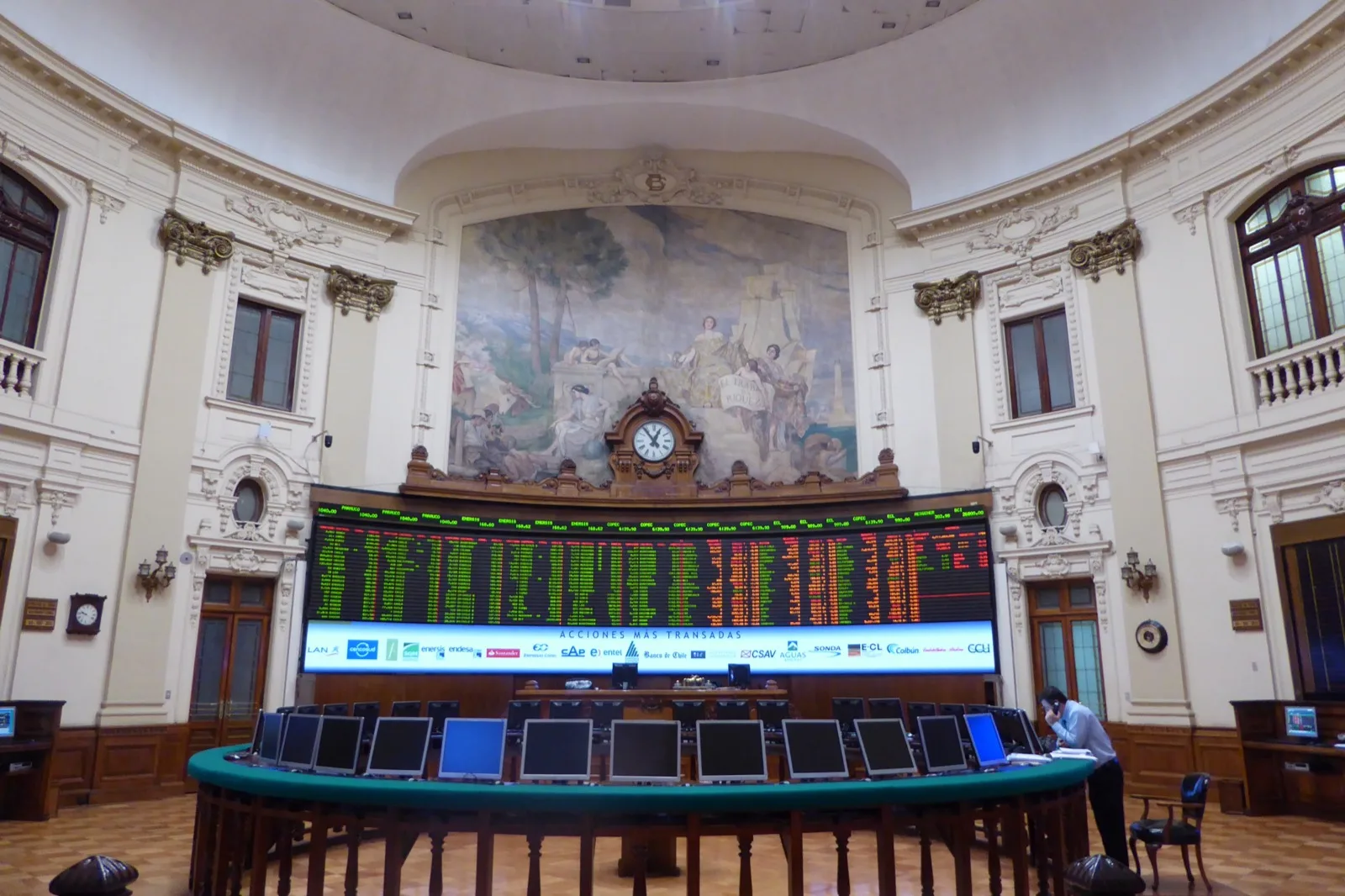
In Chile, crossing the two-thirds threshold of voting shares in a listed company legally requires making a purchase offer to all remaining shareholders on the same terms. Here is how the mandatory tender offer works.
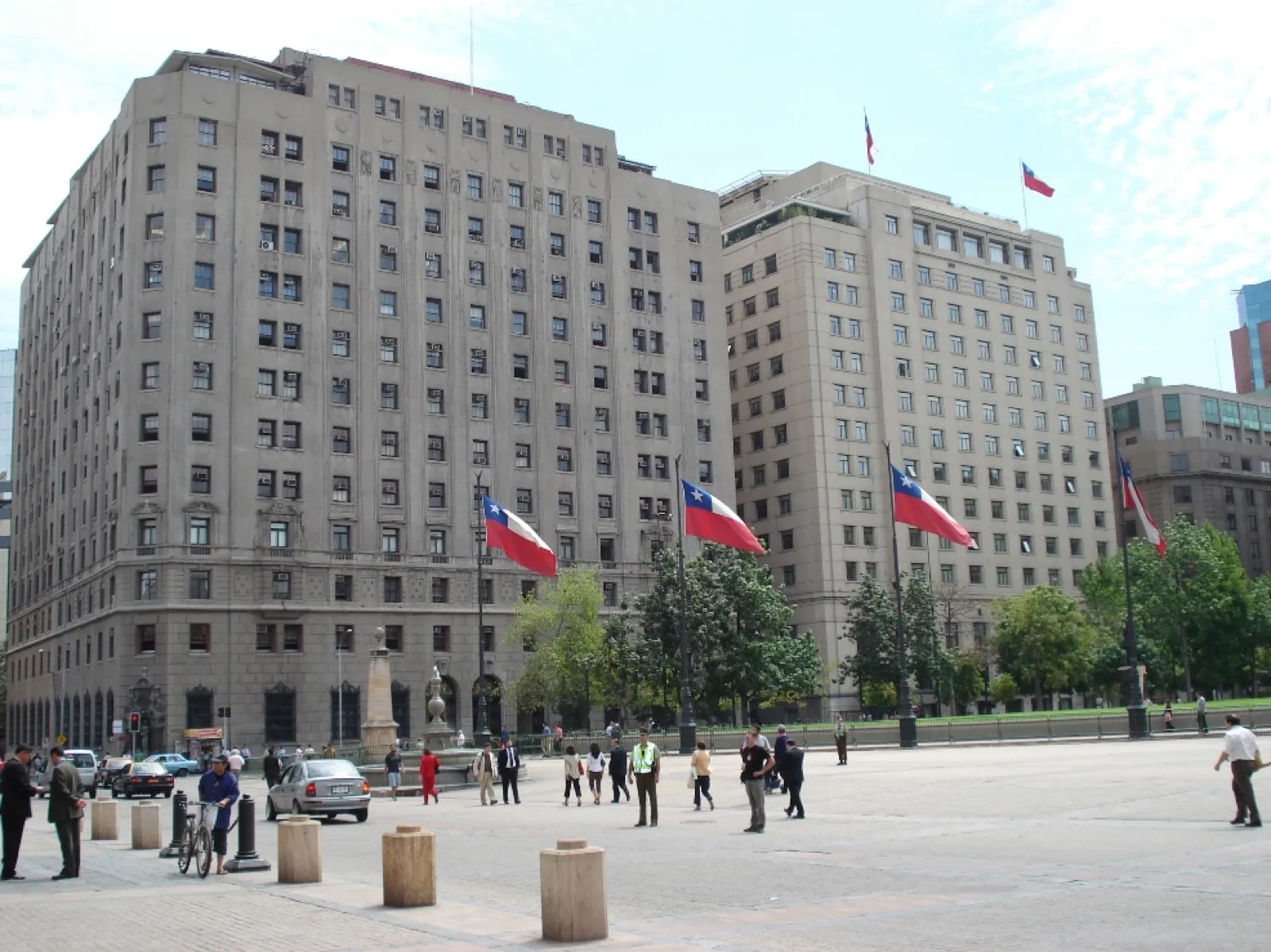
In Chile there is a unit of account that rises in value every day without ever being traded: this is how the UF folds accumulated inflation into the principal and coupons of Chilean debt.

A technical look at how borrowed shares are sourced, collateralized and returned in the Chilean market, and why this gear plays a key role in price formation and liquidity.

The CMF requires Chilean companies to immediately disclose any fact a reasonable investor would consider material. Here's how that disclosure mechanism works.

Equity futures in Chile's market let investors fix a buy-sell price today for a future date without putting up the full share value. Here's how the mechanism works and how it differs from buying stock at spot.
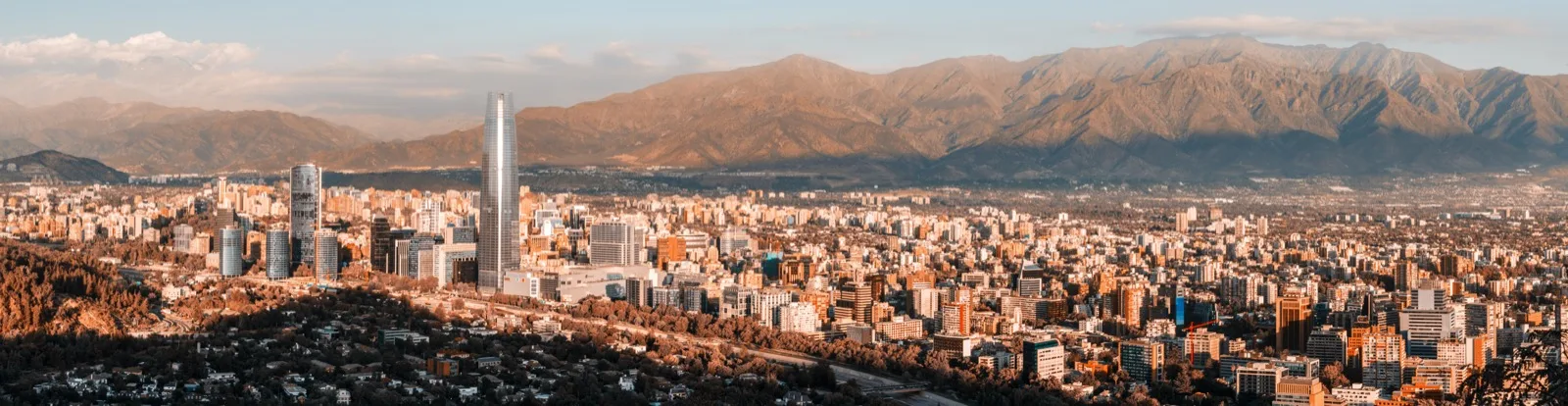
A look at the mechanics that make Chile's pension funds among Santiago's most influential market actors, and why they need only rebalance their portfolios to move prices.