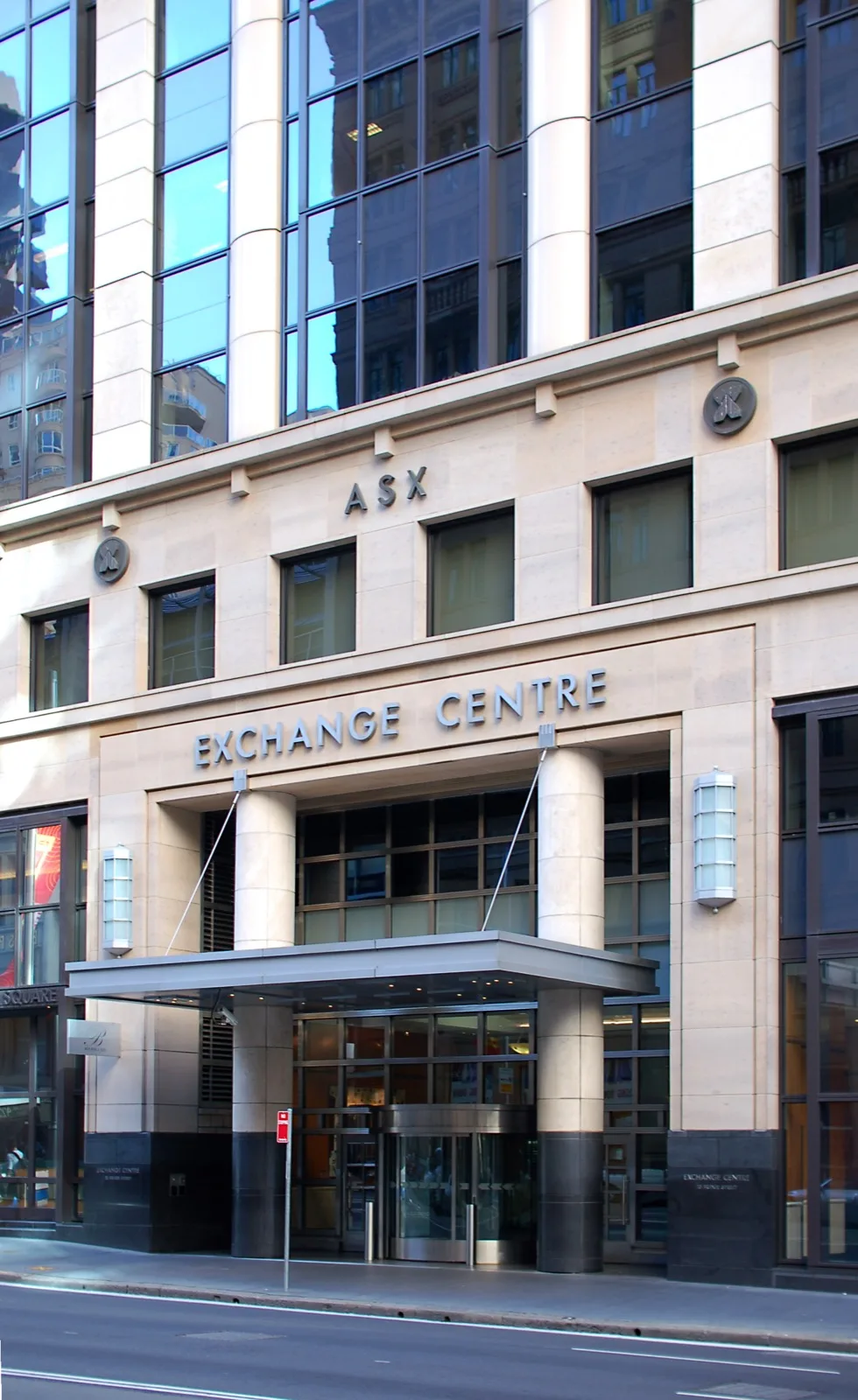
Admission runs through Listing Rule 1.1. An applicant needs a free float of at least 20% and at least 300 non-affiliated security holders, each holding an unrestricted parcel of the main class worth at least $2,000, and spread obtained by artificial means does not count. It must then pass one of two financial tests. The profit test requires aggregated profit from continuing operations of at least $1 million over the last three full financial years and consolidated profit above $500,000 for the 12 months to a date no more than two months before the application. The assets test requires net tangible assets of at least $4 million after fundraising costs, or a market capitalisation of at least $15 million, with working capital of at least $1.5 million. Quotation carries its own conditions: securities must be issued or sold at no less than 20 cents in cash, and listed debt securities must have an aggregate face value of at least $10 million.
Foreign companies reach the board by two routes. A standard ASX Listing requires registration as a foreign company carrying on business in Australia; where local law prevents the shares themselves being registered or transferred, CHESS Depositary Interests are quoted over them through ASX Settlement, the approved clearing and settlement facility. An ASX Foreign Exempt Listing instead defers to the applicant’s overseas home exchange, whose rules the entity must be subject to and complying with, and afterwards follows only a short list of ASX rules. Those thresholds are far higher: an applicant that is not a qualifying New Zealand entity needs operating profit before income tax of at least $200 million in each of the last three full financial years, or net tangible assets or market capitalisation of at least $2,000 million. Qualifying New Zealand entities are held to the ordinary profit and assets tests, which is why trans-Tasman listings are routine.
Sovereign debt is issued by the Australian Office of Financial Management, which has operational independence in executing the Government’s financing. Budget Paper No. 1 put the total face value of Australian Government Securities on issue at $951,939 million as at 11 March 2025: $869,349 million of Treasury Bonds, $41,085 million of Treasury Indexed Bonds and $41,500 million of Treasury Notes. There were 30 Treasury Bond lines, weighted average term to maturity 6.4 years, longest maturity June 2054, including a Green Treasury Bond maturing in June 2034 and first issued in June 2024.
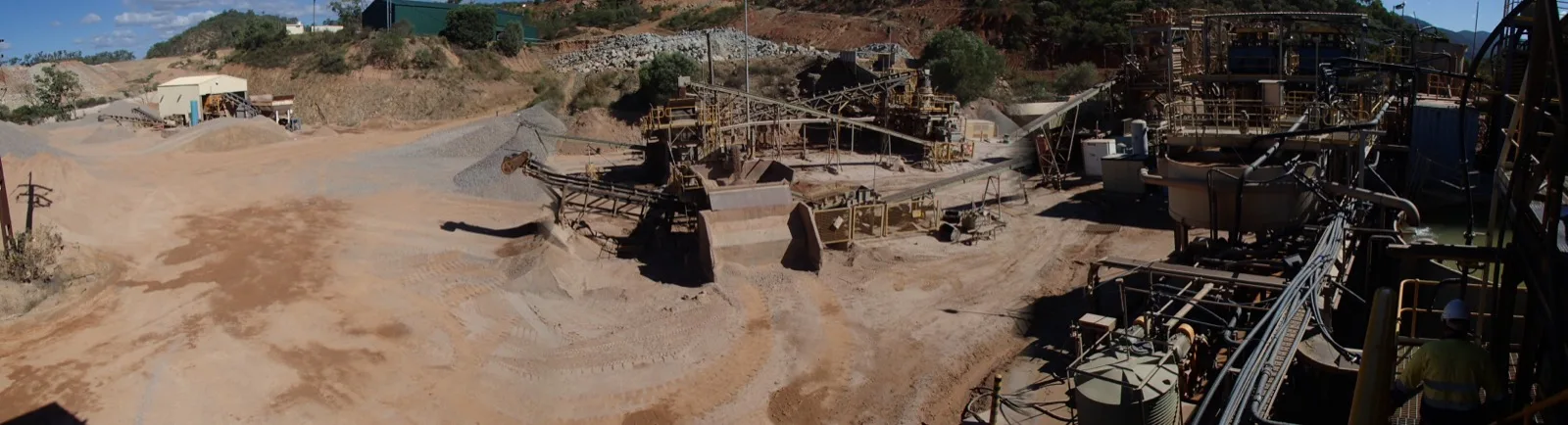
Resources are written into the rulebook itself: mining entities and oil and gas entities have their own call programs, payable in full within two years of issue and not extendable. GSN covers Australian company results and continuous disclosure released through ASX, ASIC guidance and enforcement, government issuance, and Reserve Bank decisions.
 lobal Securities News