 lobal Securities News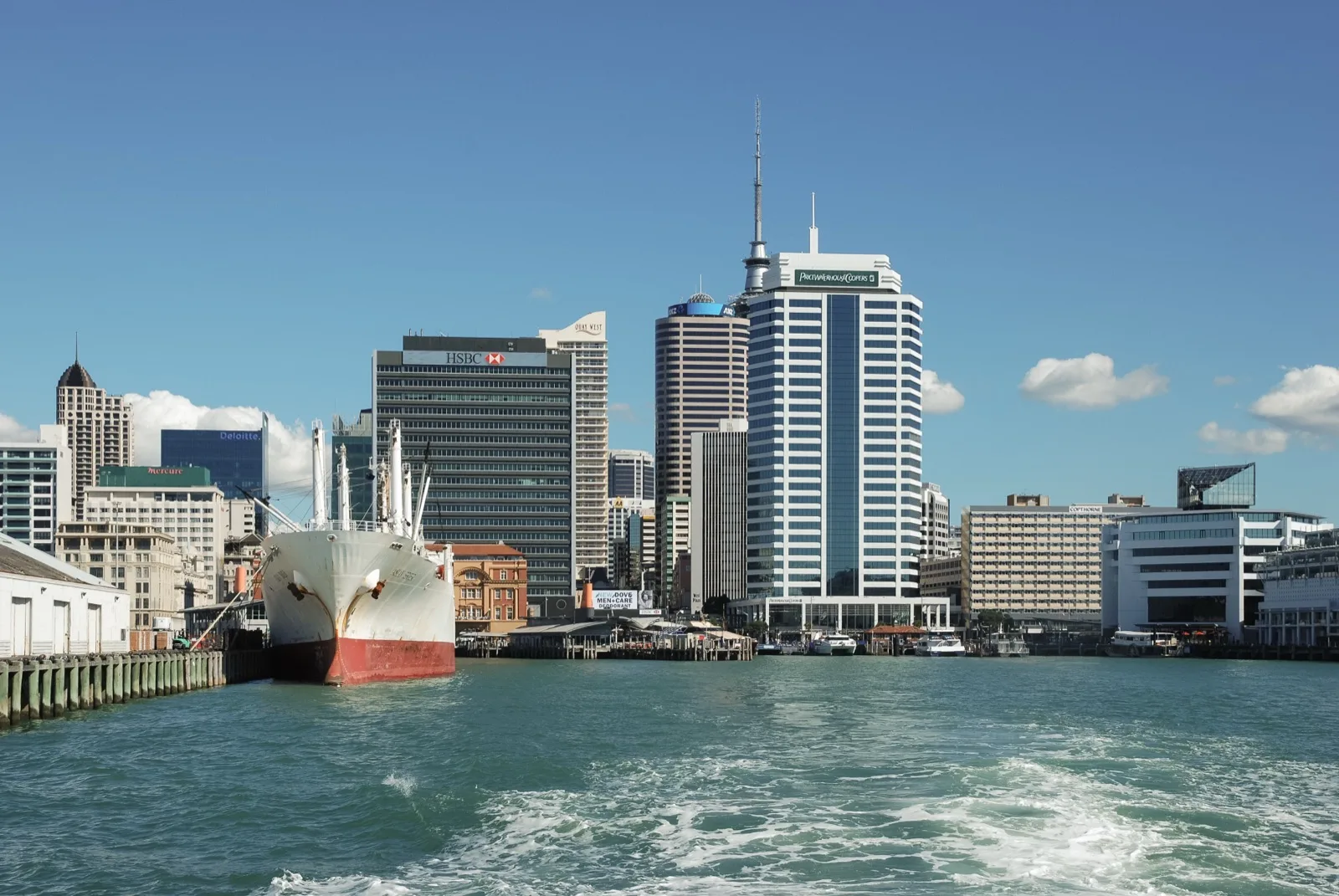
Seeka posts record first-half profit before tax and raises full-year guidance
New Zealand fruit grower and post harvest operator Seeka reported net profit before tax of $62.6 million for the six months to 30 June 2026 and lifted FY26 guidance.
Latest equities, bonds, and regulatory news from New Zealand, updated daily.
New Zealand has one licensed market operator, NZX Limited, which runs the Main Board for equity and fund securities, known as the NZSX, and the Debt Market for quoted debt. Front line regulation is separated from the exchange business: NZX Regulation Limited, or NZ RegCo, is a wholly owned subsidiary of NZX established to take regulatory decisions under NZX’s market rules, governed by its own board, and supported by the NZ Markets Disciplinary Tribunal, the independent body that determines referrals made to it. Above both sits the Financial Markets Authority Te Mana Tatai Hokohoko, an independent Crown entity established under the Financial Markets Authority Act 2011 whose main objective is to promote and facilitate the development of fair, efficient and transparent financial markets. NZ RegCo works with the FMA as a co-regulator under the Financial Markets Conduct Act 2013 on continuous disclosure and market conduct. The benchmarks are the S&P/NZX index series and everything is quoted in New Zealand dollars.
The market is small and concentrated. NZX reported Main Board capitalisation of $191,105,396,807.88 across an instrument count of 178 on 3 September 2026, with daily value traded of $68,596,033 on 20,194,127 units and 67,567 trades. Company announcements are released through MAP, the market announcement platform NZX nominates to process, release and store them, and settlement runs through New Zealand Depository Limited under its Depository Operating Rules.
Admission thresholds are set in the NZX Listing Rules. A class of equity securities is not generally considered for initial quotation on the Main Board unless the anticipated market capitalisation of the securities to be quoted is at least $10 million and NZX is satisfied that at least 20% of the class will be held by at least 100 non-affiliated holders, each with at least a Minimum Holding, defined as a holding worth at least $1,000. The alternative is that the applicant will have an appropriate spread of holders sufficient for a liquid market. Debt issuers face a single size test, a nominal amount of at least $10 million, and are carved out of most of the governance and capital raising rules that apply to equity issuers.
The other route in is the Foreign Exempt Issuer regime, which matters more here than in larger markets. NZ RegCo has approved the Australian Securities Exchange, the HKEX Main Board, the London Stock Exchange Main Market, the Nasdaq Global Select and Global Markets, the SGX Mainboard and the Toronto Stock Exchange as home markets for that route. NZX can still declare that particular Listing Rules apply, case by case: it assesses shareholder approval rules on major transactions and related party transactions for LSE Main Market listings, and both those and the limits on new issues for Nasdaq and TSX listings.
What trades reflects a domestic economy of infrastructure, utilities and property alongside Australian dual listings. Auckland International Airport, Air New Zealand and Argosy Property sit on the same board as ANZ Group Holdings and Australian Foundation Investment Company, and exchange traded funds are a growing share of the instrument count. GSN covers NZX issuer results and continuous disclosure, NZ RegCo and FMA regulatory action, and the Foreign Exempt Issuer decisions that connect this market to Sydney and further afield.
Sources
This overview is based on the official documents listed below, last checked 2026-09-03. Figures are as stated in those documents.
New Zealand trade software company TradeWindow said it intends to pursue a primary ASX listing and appointed two Australian-resident independent directors.
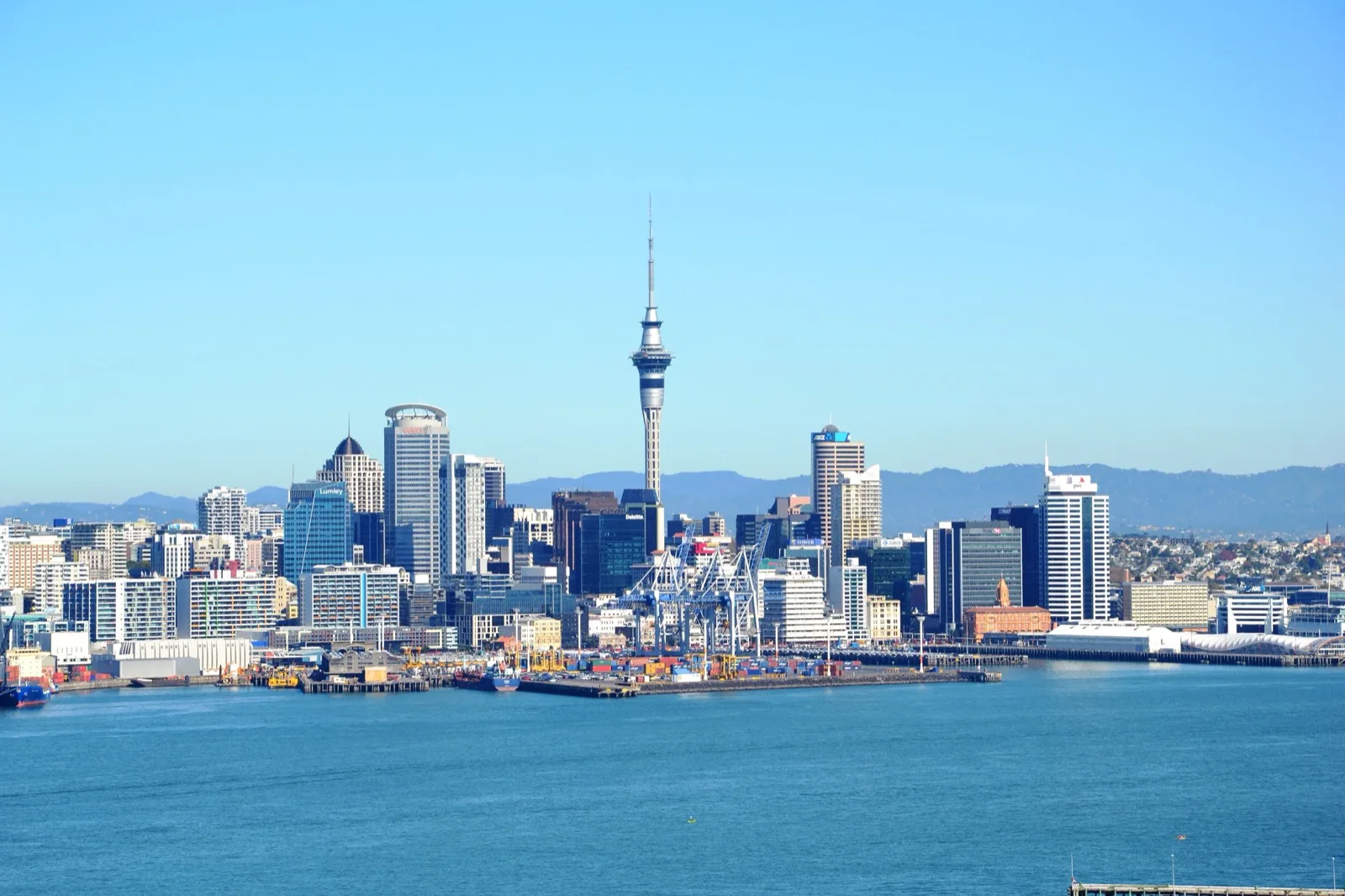
New Zealand fruit grower and post harvest operator Seeka reported net profit before tax of $62.6 million for the six months to 30 June 2026 and lifted FY26 guidance.
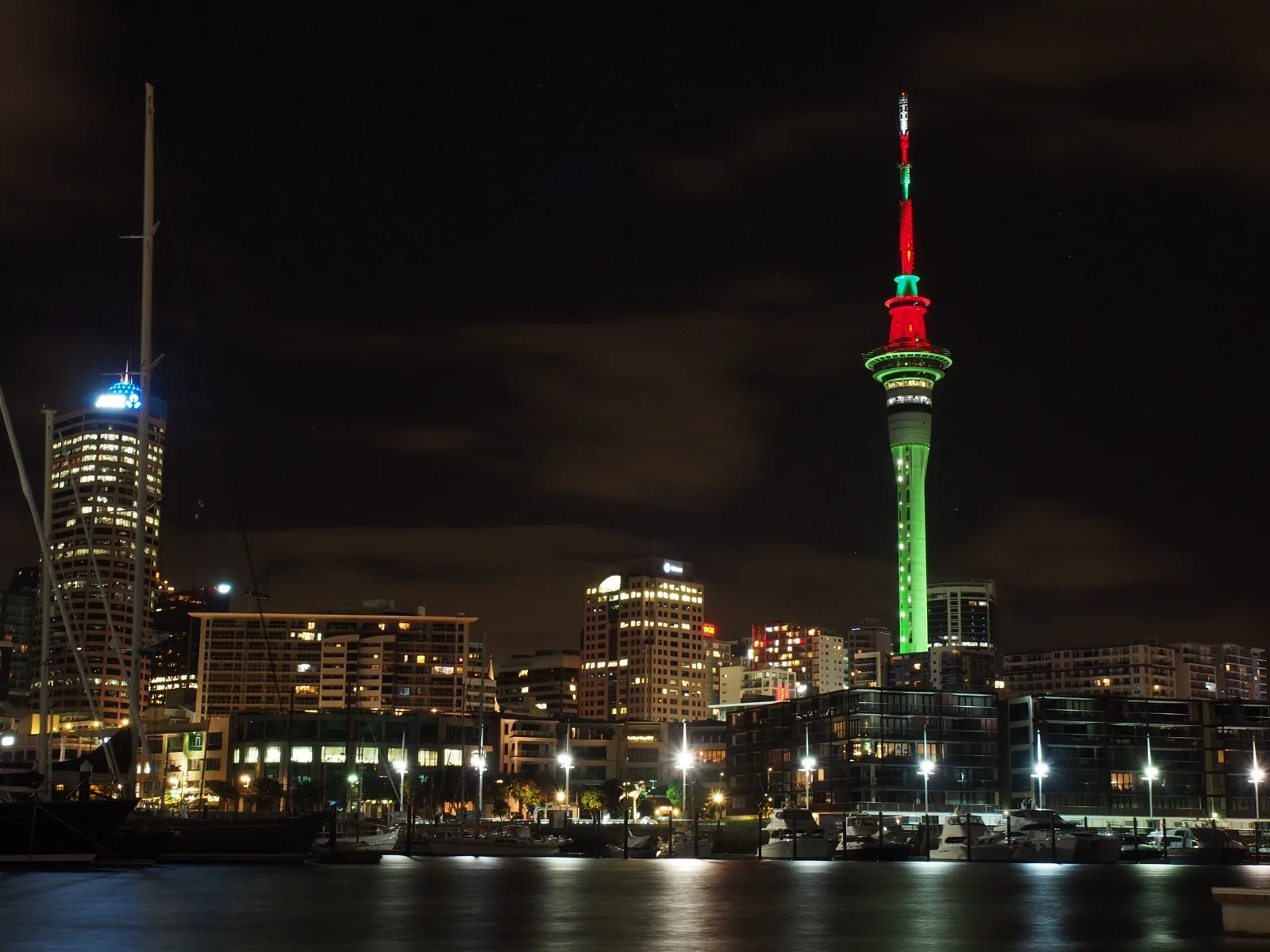
New Zealand manufacturer Skellerup Holdings posted record normalised net profit after tax of $64.2 million for the year to 30 June 2026 and raised its full-year dividend.
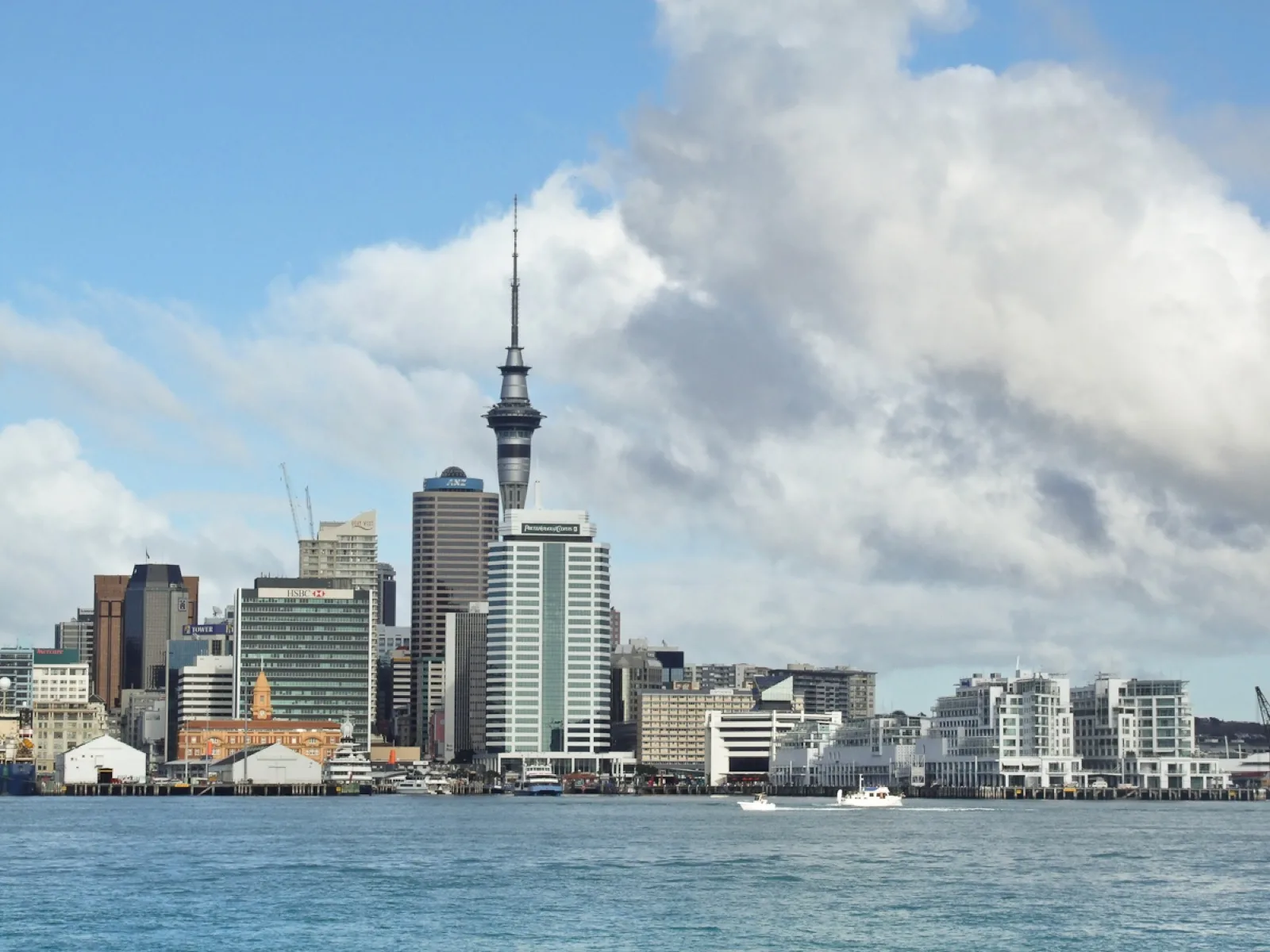
New Zealand minerals developer Taiko Critical Minerals said its retail share purchase plan drew applications of NZ$2.505 million for 10.019 million shares at $0.25 each.
New Zealand automation group Scott Technology said it has won materials handling and logistics contracts worth about NZ$20 million across North America and Europe.
A fast-track expert panel proposed granting all approvals sought by Port of Tauranga for its Stella Passage berth extension, subject to conditions.
NZX rules treat an information gap as more dangerous than a trading interruption. Here is why issuers ask to be halted, when the exchange halts a stock without being asked, and what the difference tells a reader.
Rule 6(1) of the Takeovers Code does not require disclosure at 20 per cent, it prohibits the crossing. Here is how control and association are measured, the narrow creep allowed above 50 per cent, and what happens at 90.
The indicative price range does not bind the seller. Here is how a bookbuild collates retail and institutional demand, who sets the final price and when, and why allocation is influenced but not constrained by the bids.
New Zealand's inflation-indexed government bonds adjust their principal to the CPI, producing a real yield that differs structurally from a standard fixed-rate bond's nominal yield.
A dividend that never lands in cash usually has one of four causes: a reinvestment election, withholding tax, a minimum holding sale, or the Unclaimed Money Act. Each sits in a different rulebook.
A small group of registered banks submits sealed yield bids each tender day, and from that process alone the market price of New Zealand government debt emerges.
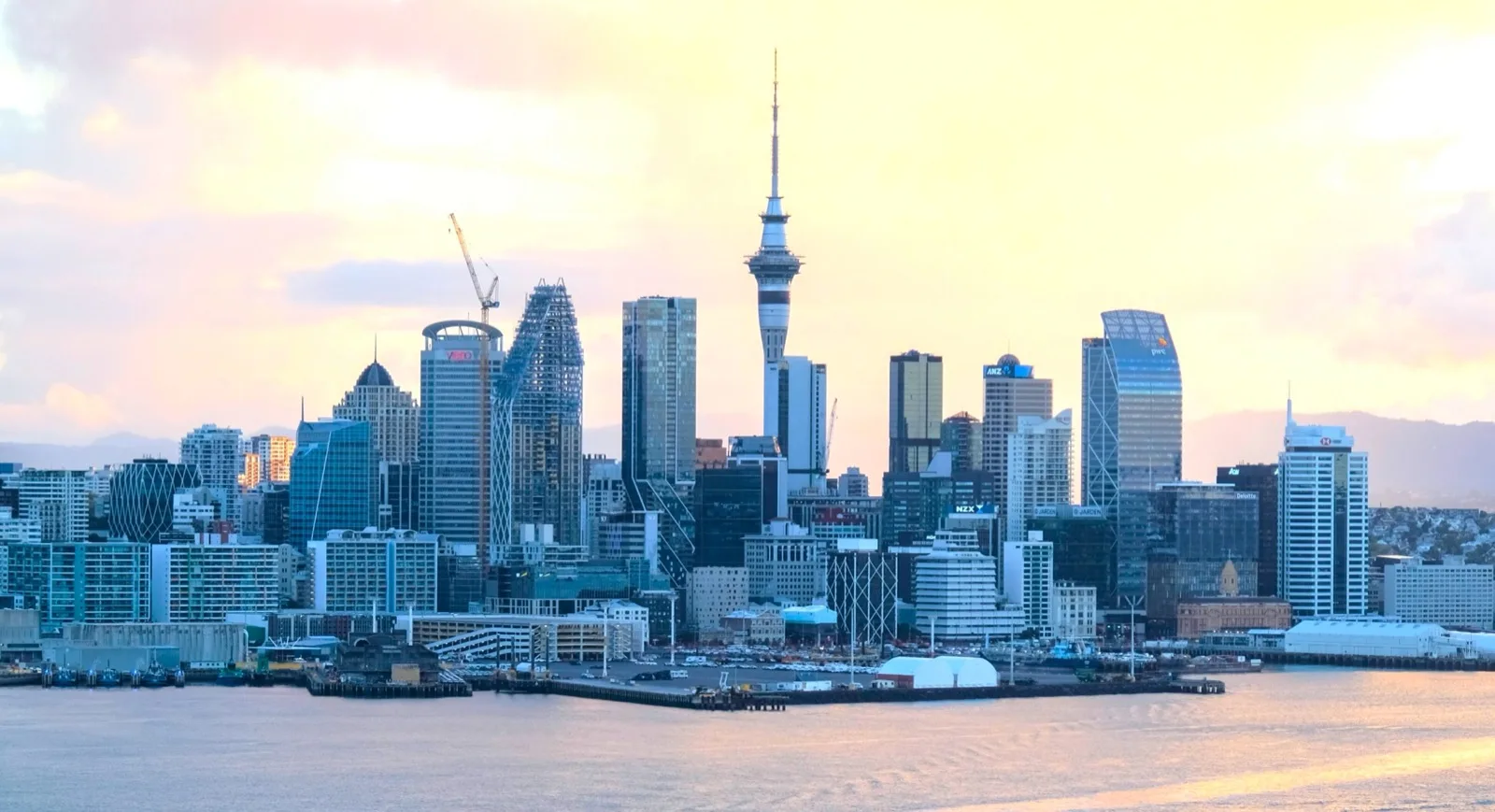
Most large New Zealand takeovers run through Part 15 of the Companies Act, not the Takeovers Code. Here is the 75 per cent class vote, the Panel No-objection Statement, and the court test that replace it.
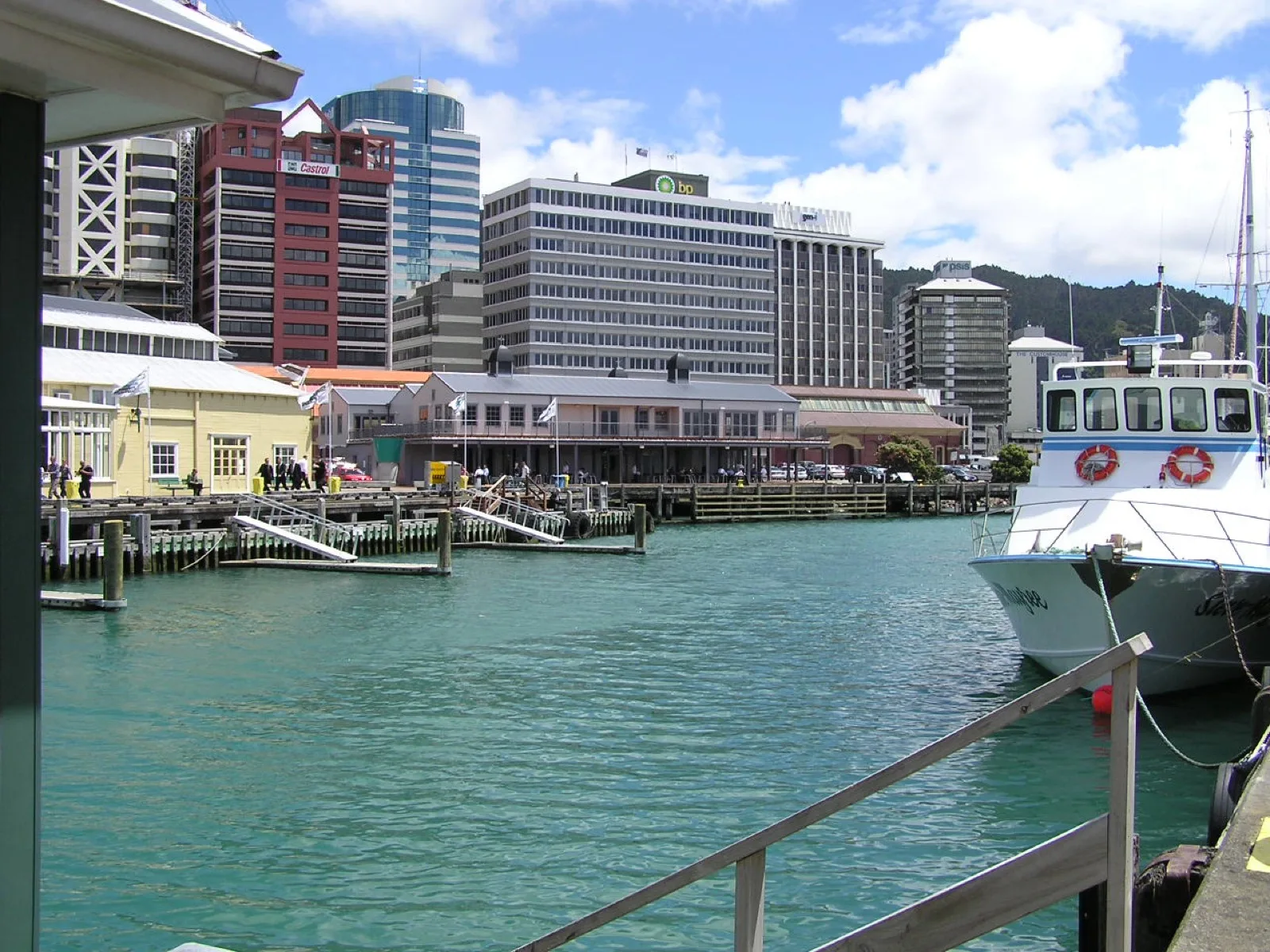
NZX regulates its own market through a separately governed subsidiary. Here is what the Surveillance team monitors, which enforcement tools sit behind it, and why the public censure list understates the work.