 lobal Securities News
OMA airport traffic rises 3.9% in July on stronger international flows
Grupo Aeroportuario del Centro Norte reported July passenger growth across its 13 airports, with international traffic up 7.5% and three new routes launched.
Latest equities, bonds, and regulatory news from Mexico, updated daily.
Mexico’s securities market runs on a single federal statute, the Ley del Mercado de Valores, published in the Diario Oficial de la Federación on 30 de diciembre de 2005 and last reformed on 24 de enero de 2024. Article 1 sets the objects of the law as developing the securities market in an equitable, efficient and transparent way, protecting the interests of the investing public, minimising systemic risk and encouraging sound competition. The same law governs brokerage houses, the exchanges, the securities depository and the register.
Supervision belongs to the Comisión Nacional Bancaria y de Valores. The CNBV is not a free standing agency in the American sense. Its own law creates it as an órgano desconcentrado of the Secretaría de Hacienda y Crédito Público with technical autonomy and executive powers, charged with supervising and regulating the entities of the Mexican financial system so as to protect their stability and correct functioning. Its Junta de Gobierno is composed, on a gender parity basis, of ten vocales plus the head of the Commission, who chairs it, and two of the Commission’s Vice Presidencies. The Secretaría de Hacienda y Crédito Público appoints five of the vocales, Banco de México three, and the insurance and pension regulators one each, a composition set by the reform published on 11-05-2022.
Monetary policy and the payments system sit with Banco de México, whose functions are exercised by a Junta de Gobierno of five members appointed under the seventh paragraph of article 28 of the Constitution. The Federal Executive names one of them Governor to preside; the rest are Subgobernadores. The Governor serves six years and a Subgobernador eight, with terms staggered so that one falls due every two years. On 06/08/26 the Junta left the target for the overnight interbank interest rate unchanged at 6.50 per cent.
Access to the public market is a register question before it is a listing question. Securities must be entered in the Registro Nacional de Valores, and securities so registered must be listed and traded through the trading sessions of the bolsas de valores. A 2023 amendment added the inscripción simplificada, a simplified registration the Commission may grant to an emisora simplificada under articles 70 Bis and 90 Bis, which is the route intended for smaller issuers. The exchanges themselves work on the principle of self regulation: each writes a reglamento interior setting the obligations and requirements that listed issuers and members must meet, within the minimum the law prescribes.
The senior venue is the Bolsa Mexicana de Valores, which runs the equity market and publishes the market indices, instrument classifications and market maker arrangements that frame trading. Alongside listed equity, the law provides for certificados bursátiles and fiduciary certificados bursátiles, the debt instruments through which companies and trusts raise money in the domestic market, with disclosure on them made public through the exchange where they trade. GSN covers Mexican issuer disclosure filed through the exchanges, CNBV registration and rulemaking, and Banco de México policy decisions.
Sources
This overview is based on the official documents listed below, last checked 2026-09-03. Figures are as stated in those documents.
The Mexican flag carrier said it intends to submit a share repurchase program proposal at an upcoming shareholders' meeting.

Grupo Aeroportuario del Centro Norte reported July passenger growth across its 13 airports, with international traffic up 7.5% and three new routes launched.

The Mexican ultra-low-cost carrier reported July traffic up 18.5% in revenue passenger miles, with international demand rising 22.4%.

The Mexico City based oil and gas producer executed another tranche of its shareholder-approved buyback program on the Mexican Stock Exchange.

The Chihuahua based cement producer reported second quarter net sales of 418.4 million dollars and EBITDA of 132.9 million dollars.

The Mexican consumer health group reported second quarter net sales of 4,397.0 million pesos, down 6.0%, with EBITDA down 13.9% and net income of 374.5 million pesos.

The Mexico City based materials group reported Q2 revenue up 20% and EBITDA up 56%, and now expects full-year EBITDA of at least 1.2 billion dollars.

The Mexican water solutions company reported a 3.4% rise in second quarter net sales but a 201 million peso net loss tied to finance costs in Argentina.

Weeks before each quarterly report, board members and executives at Mexican listed companies stop trading their own shares and commenting on results. Here's how that silence works and why it exists.

Almost no Mexican investor holds a physical certificate with their name on it. This is how S.D. Indeval, the institution that custodies, clears and settles shares traded on the BMV and BIVA, actually works.

A look at the primary auction mechanism through which the Mexican government places Cetes and other securities, and the key role of primary dealers as mandatory buyers.
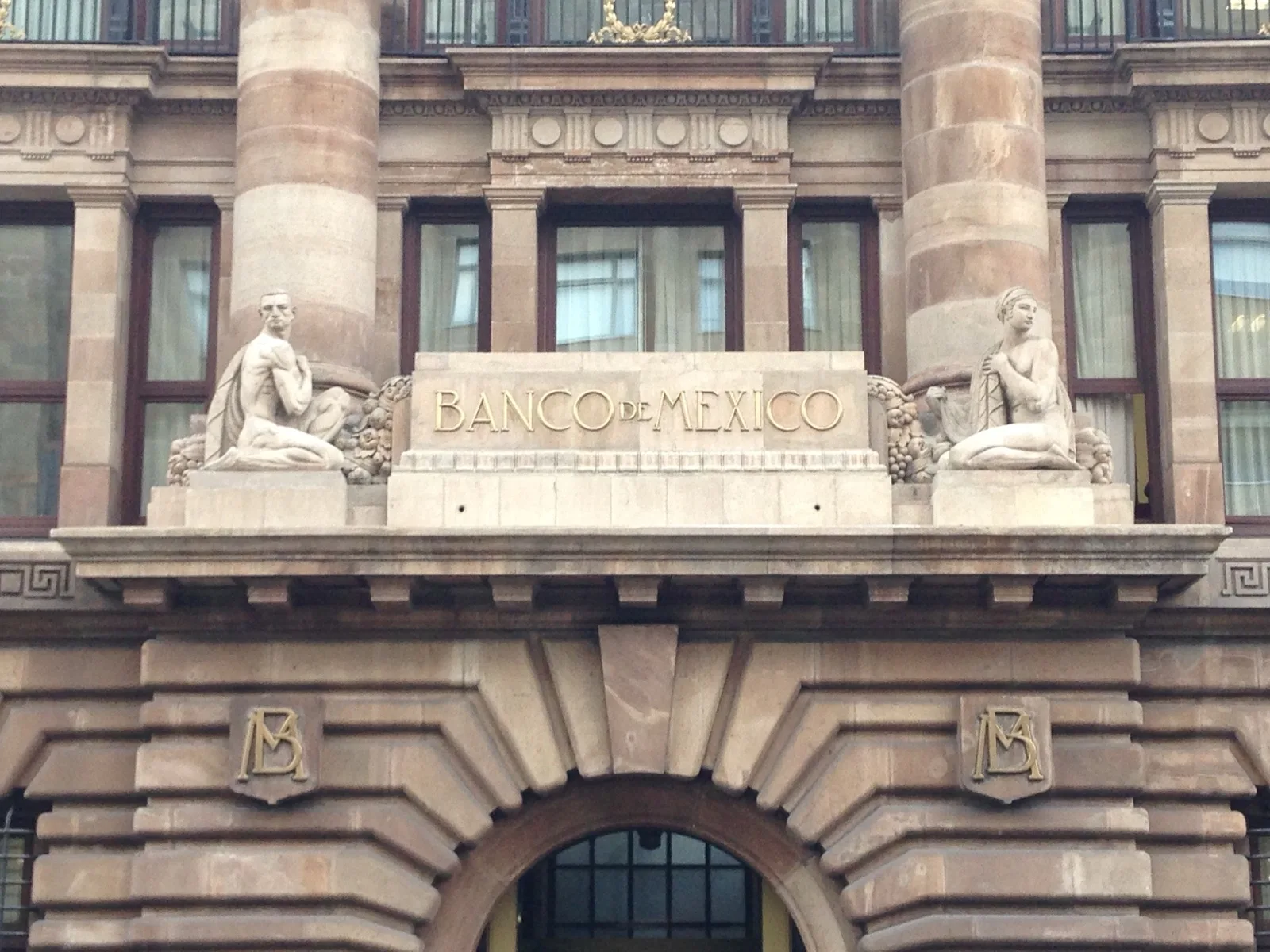
A look at how the Bolsa Mexicana de Valores and BIVA list and trade the same securities, and why brokers must always seek the best price across both venues.

A publicly listed vehicle lets any investor gain exposure to Mexican real estate without signing deeds or managing tenants. Here's how the structure works.

From the decision to list to first trading on the BMV or BIVA, the process can take more than twelve months of regulatory, accounting, and legal work. Here's how it works.

An overview of the regulatory framework that oversees Mexican securities intermediaries and the authority that authorizes, supervises, and sanctions their operations.
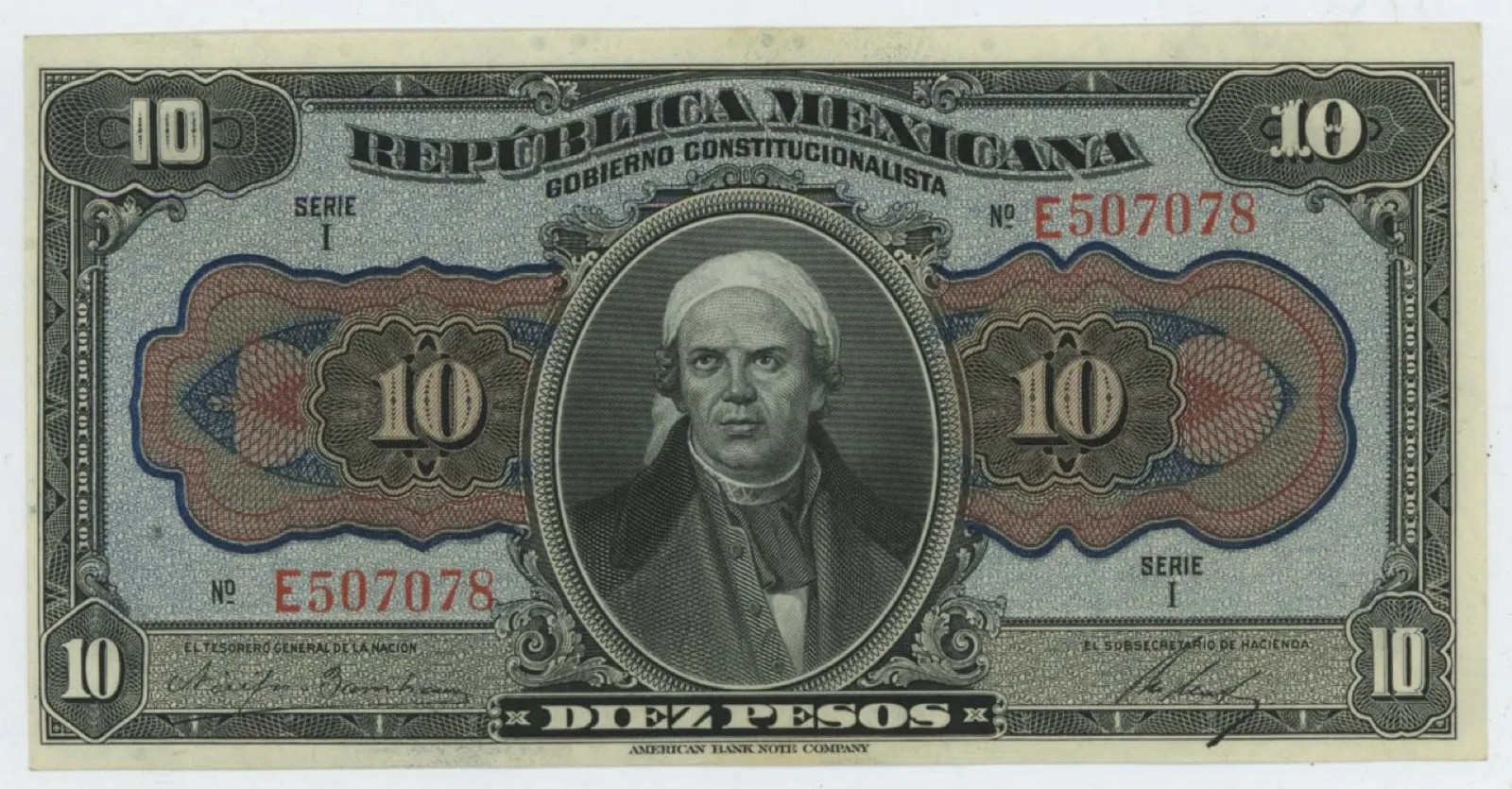
An overview of how Mexico's inflation-indexed bonds work, why their nominal value changes over time, and how they differ from traditional fixed-rate bonds.

Behind every takeover bid is a deadline, a minimum price, and a set of rules that determine whether minority shareholders can negotiate on equal terms or simply accept the offer.