 lobal Securities News
Guinea Insurance completes recapitalisation and is cleared by NAICOM
Guinea Insurance said it completed a rights issue and private placement and was named by NAICOM among insurers meeting the capital requirement under NIIRA 2025.
Latest equities, bonds, and regulatory news from Nigeria, updated daily.
Nigeria’s securities market runs on two licensed exchanges with different jobs. Nigerian Exchange Limited, known as NGX and a wholly owned subsidiary of Nigerian Exchange Group, traces its history to 1960 and handles equities, fixed income securities, exchange traded products and funds. FMDQ Securities Exchange Limited was registered by the Securities and Exchange Commission first as an over the counter market in 2012 and then as a securities exchange in 2019, and organises the fixed income, currencies and derivatives markets, where corporate bond programmes are registered, listed and quoted. NGX is licensed under the Investments and Securities Act and, like FMDQ, is regulated by the SEC.
Equity issuers choose between three NGX boards. The Main Board is the founding segment and has listed established companies since 1961. The Growth Board takes small cap and fast growing companies, including technology firms, on relaxed entry criteria, reduced post listing obligations and a lower fee structure, supported by designated advisers. The Premium Board sits above the Main Board and applies the exchange’s strictest tests: a company must already satisfy one of the Main Board listing standards, carry a market capitalisation of at least NGN200 billion when the exchange receives the application, score at least 70 per cent under the NGX Corporate Governance Rating System, and either float 20 per cent of its issued share capital or hold free float shares worth NGN40 billion or more.
Government paper is the larger half of the market by value. The Debt Management Office runs monthly FGN bond auctions, usually as re-openings of existing stocks. At the auction dated August 17, 2026, settling August 19, 2026, the DMO offered N250.00 billion of the 22.60% FGN JAN 2035, N100.00 billion of the 16.2499% FGN APR 2037 and N750.00 billion of the 15.45% FGN JUN 2038, and allotted them at marginal rates of 17.1500 per cent, 17.1900 per cent and 17.7900 per cent while keeping the original coupons. Total public debt stood at 159,351,581.44 million naira, or US$114,954.40 million, as at March 31, 2026, split 54.85 per cent domestic and 45.15 per cent external at the Central Bank of Nigeria official rate of US$1 to N1386.2156.
Monetary conditions set the tone for both markets. At its 306th meeting, held on 20th and 21st July 2026, the Monetary Policy Committee retained the Monetary Policy Rate at 26.5 per cent, having cut it by 50 basis points in February 2026, and kept the cash reserve requirement at 45.00 per cent for deposit money banks and 16.00 per cent for merchant banks, with 75.00 per cent on non-TSA public sector deposits.
Banking, energy, telecommunications, cement and consumer goods issuers dominate NGX turnover, while naira corporate issuance clusters on FMDQ under multi instrument and bond issuance programmes. GSN covers NGX and FMDQ listings and results, SEC and exchange rule changes, DMO auctions and the naira and rate decisions that move both.
Sources
This overview is based on the official documents listed below, last checked 2026-09-03. Figures are as stated in those documents.
Geregu Power told the Nigerian Exchange that the eighth coupon and part principal on its 40,085,000,000 naira Series 1 fixed rate bond had been paid.

Guinea Insurance said it completed a rights issue and private placement and was named by NAICOM among insurers meeting the capital requirement under NIIRA 2025.

Caverton Offshore Support Group reported half year revenue of 14.7 billion naira, with second quarter revenue 41 per cent above the first quarter.

Coronation Infrastructure Fund is offering up to 20 billion naira of units at 107.00 naira each under its 200 billion naira shelf programme.
Aradel Holdings published unaudited results for the six months to 30 June 2026, with revenue up 577 per cent and group production averaging 139.5 kboepd.

The Initiates Plc declared an interim dividend of N0.20 per share for the period ended 30 June 2026 after half year revenue rose 105.1 per cent.
PenCom's multi-fund structure sorts every Retirement Savings Account into an age-based fund, each carrying a ceiling on variable income instruments. Here is how that allocation is set and changed.
Nigerian takeover law treats 30 percent of the voting shares as control. Here is how that threshold triggers a mandatory offer to every shareholder, and what changes once one shareholder already holds 50 percent.
When a listed Nigerian company purchases its own shares, the stock does not simply disappear. Here is how a buy-back is authorised, executed on the exchange, and recorded afterwards.
Nigeria's investments and securities law requires every registered exchange to run an investor protection fund. Here is what it covers, how it is capitalised, and how a claim is filed and decided.
Listed companies in Nigeria file annual and quarterly accounts to fixed deadlines. Here is how a missed filing becomes a public flag, then a fine, then a suspension of trading.

Nigerian listed companies must silence their own directors before results day, and the reason is built into how markets are meant to price information fairly.

Listed companies in Nigeria file quarterly accounts within 30 days and audited results within 90, but banks and insurers need a regulator's approval first. How the reporting machinery fits together.
A look at how issuing houses and underwriters use fixed price offers versus book building bids to mechanically determine an IPO's final price and share allotment on the Nigerian Exchange.
Before a Nigerian company's shares ever trade, the exchange sorts it onto one of three listing boards, and that decision sets the rules it must keep meeting.

A Nigerian commercial paper may be interest bearing or sold below face value. When it is discounted, the quoted discount rate is measured against face value and the investor's return is not, which is why the two numbers differ.

Nigeria moved to a T+1 settlement cycle on June 1, 2026, one business day between trade and ownership. Here is what clearing, netting and the depository record actually do in that window.

Nigeria's Debt Management Office mostly reopens existing FGN bonds rather than issuing new ones. Here is how a marginal rate becomes a price, and why buyers also pay accrued interest.
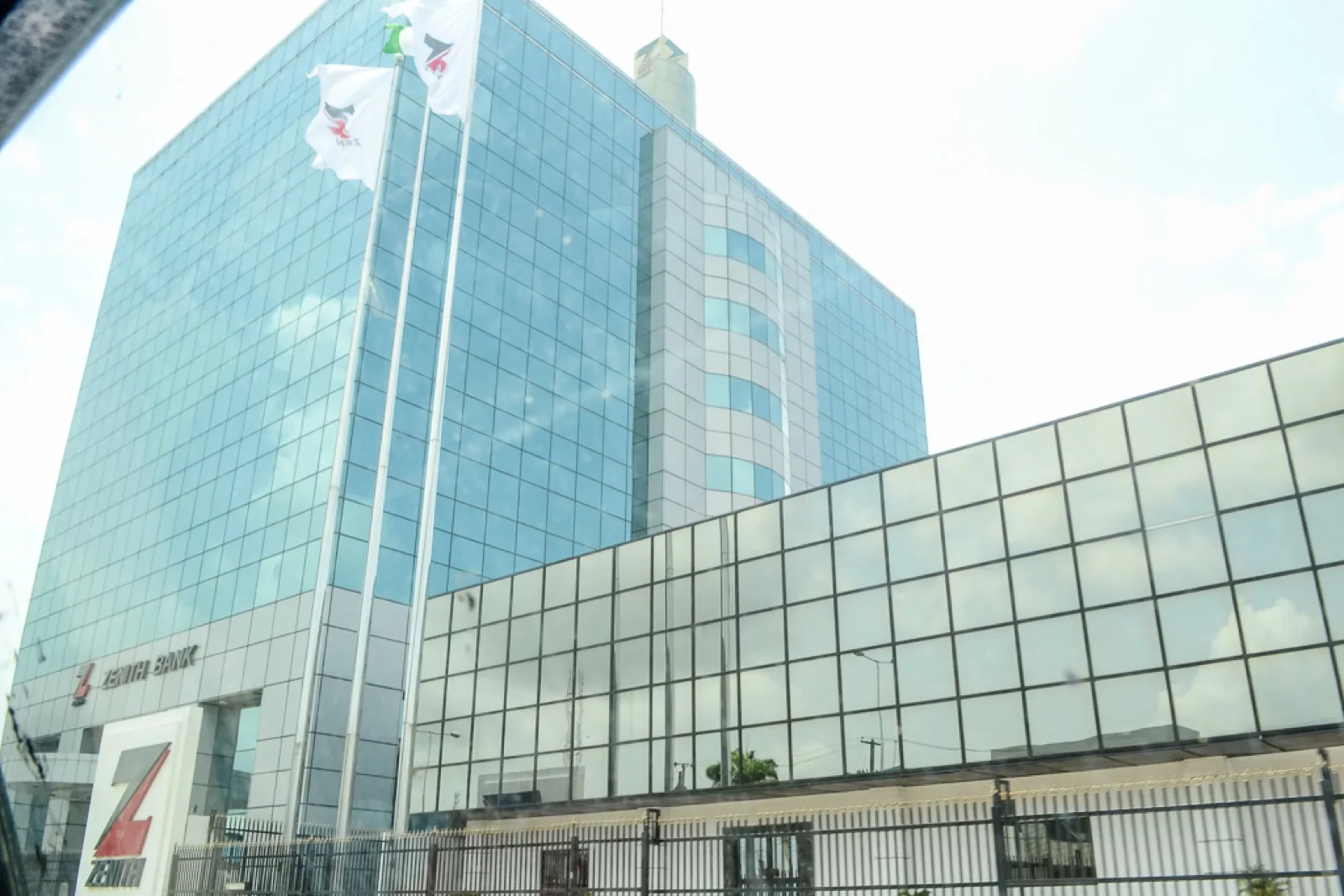
Nigerian government Sukuk pay investors something that looks just like a bond coupon, but under the contract it is legally rent, not interest. Here is how that lease structure is engineered.
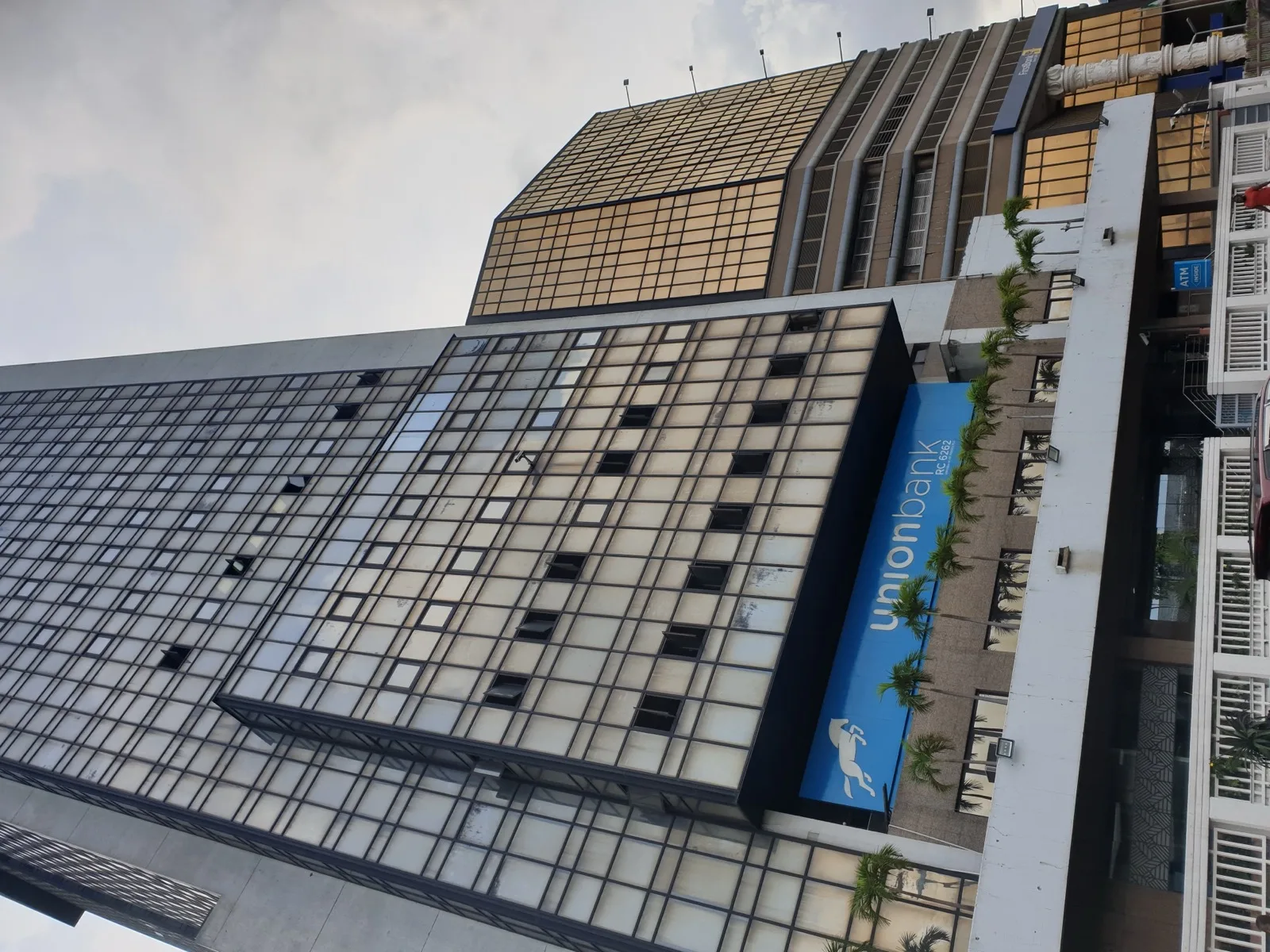
Before continuous trading begins on the Nigerian Exchange, orders pile up in the book without executing. Here is how that call auction produces one opening price for every buyer and seller.
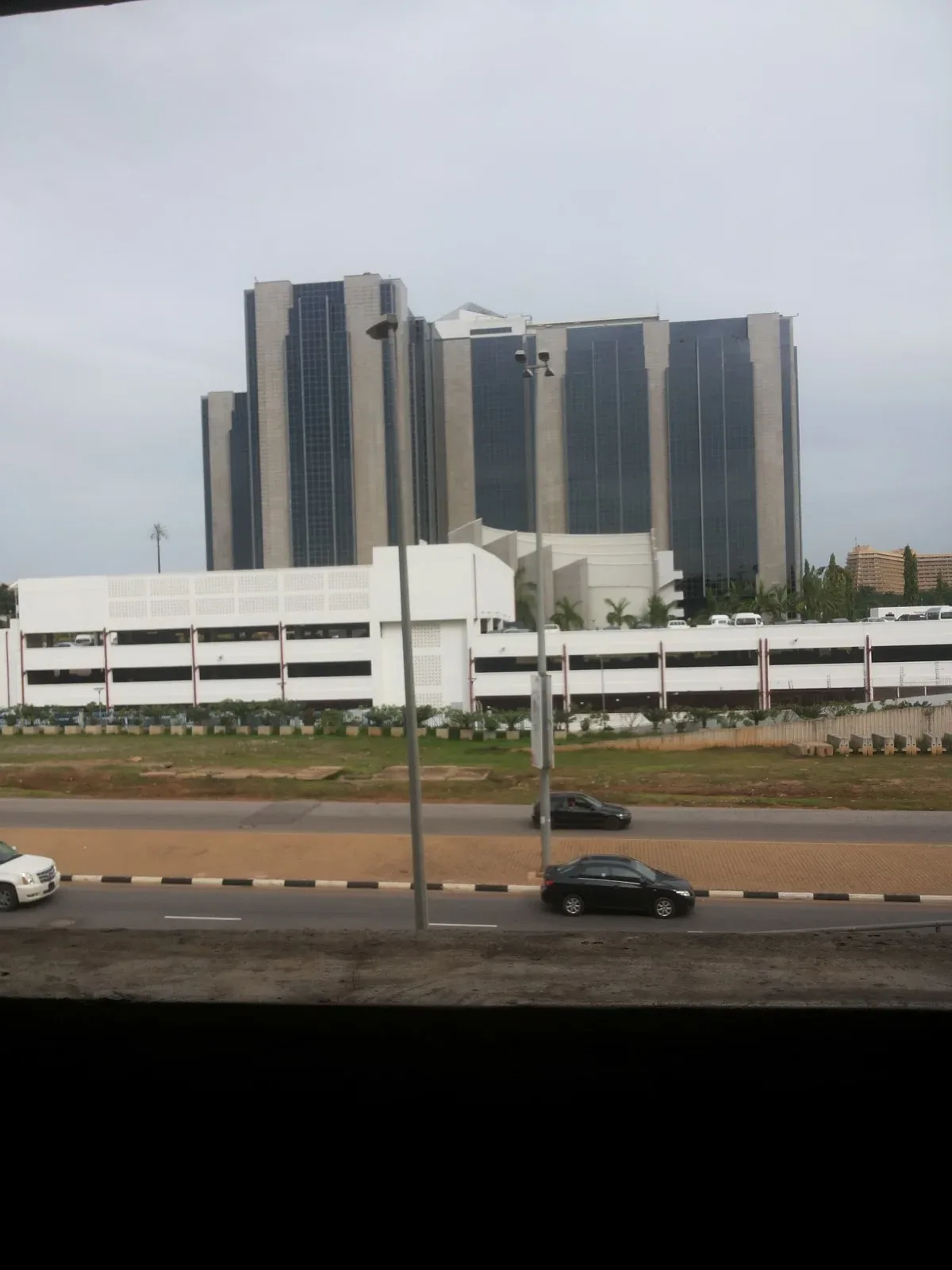
An explainer on how NGX-listed companies price rights issues below market, how renounceable rights trade separately during the acceptance period, and why letting them lapse dilutes a shareholder ownership stake.

On the Nigerian Exchange, a bonus share issue can multiply a shareholder's share count overnight without adding a single naira of wealth. Here is the mechanical difference between that and a stock split.

A single stock jumping or falling too fast can trigger an automatic pause on the Nigerian Exchange, here is exactly how those price limits and market-wide halts are triggered and lifted.