 lobal Securities News
Crown Paints half year revenue rises 13% to Kes 8.4 billion, no interim dividend declared
Crown Paints Kenya Plc reported half year group revenue up 13% to Kes 8.4 billion and profit of 486 million shillings for the six months to 30 June 2026.
Latest equities, bonds, and regulatory news from Kenya, updated daily.
Kenya’s public securities market runs through one licensed exchange, the Nairobi Securities Exchange PLC. The market began in the 1920s as an informal dealer market, was formalised by incorporation in 1954, opened to African traders in 1963, and moved to its present structure in 1994 with the arrival of the Central Depository and Settlement Corporation, which holds shares and bonds in electronic share accounts and bond accounts and completes transfers and payments. The Capital Markets Authority licenses and supervises the exchange, the intermediaries and the issuers, and the Central Bank of Kenya runs the primary market in government paper. The exchange publishes three headline equity indices. On 02-SEP-26 the NSE All Share Index stood at 254.60, the NSE 20 Share Index at 4,405.85 and the NSE 25 Share Index at 7,098.28. Turnover on the same date was reported at 54,054,741.00 shares traded and equity turnover of 2,504,892,742.39, with exchange traded fund turnover of 4,283,540.00 in KES. The NSE 25 Share Index also underlies the futures traded on NEXT, the exchange’s derivatives market, alongside single stock futures.
Listing is organised by segment rather than by a single board. The exchange sets out a Main Investment Market Segment, an Alternative Investment Market Segment and a Fixed Income Securities Market Segment, with a Growth Enterprise Market Segment and an SME Fixed Income Market Segment for smaller issuers. An issuer on the main segment must be a public company limited by shares registered under the Companies Act (Cap 486), with minimum authorised, issued and fully paid up capital of Kshs. 50 Million and net assets of not less than Kshs. 100 Million immediately before the public offer. The alternative segment lowers both thresholds to Kshs. 20 Million. Shares trade in minimum lots of one share on the Normal Board, and bonds are sold in minimum bundles of KShs. 50,000.00.
The rulebook sits on the Capital Markets Act and the Central Depositories Act, 2000. Beneath them the Authority applies subsidiary regulations that a first-time reader will meet by name: the Public Offers, Listing and Disclosures Regulations, 2002, the Licensing Requirements (General) Regulations, 2002, the Takeovers and Mergers Regulations, 2002, the Foreign Investors Regulations, 2002, the Real Estate Investment Trusts Collective Investment Schemes Regulations 2013 and the Derivatives Markets Regulations, 2015. Conduct is layered on top through the Code of Corporate Governance Requirements for Issuers of Securities to the Public, 2015.
Composition is concentrated. Banking is the deepest sector on the board, with Absa Bank Kenya, Stanbic Holdings, I&M Holdings, Diamond Trust Bank Kenya, Standard Chartered, Equity Group Holdings and The Co-operative Bank of Kenya all listed, and the agricultural counters trace the country’s export crops through Eaagads, Kapchorua Tea, Kakuzi, Limuru Tea, Sasini and Williamson Tea Kenya. Government debt is the other half of the market. The Central Bank auctions Treasury bonds monthly, most of them fixed rate with interest paid every six months, and the National Treasury occasionally issues tax exempt infrastructure bonds. Individuals and corporates can bid directly through the Dhow CSD portal and mobile application or through commercial and investment banks acting as custodians. GSN covers listed company results and corporate actions, exchange and Authority rule changes, and the government bond auction calendar.
Sources
This overview is based on the official documents listed below, last checked 2026-09-03. Figures are as stated in those documents.
Liberty Kenya Holdings Plc reported an insurance service result of 448 million shillings and earnings per share of KShs 0.43 for the six months to 30 June 2026.

Crown Paints Kenya Plc reported half year group revenue up 13% to Kes 8.4 billion and profit of 486 million shillings for the six months to 30 June 2026.

Car & General (Kenya) Plc reported half year turnover of Ksh 15.6 billion, up 30%, profit after tax of Ksh 2.6 billion and an interim dividend of Ksh 1.00 per share.

ALP REIT said Kenya's Capital Markets Authority and the Nairobi Securities Exchange approved a supplementary offering memorandum, clearing the way for 4,998,485 new units.
Centum Investment Company Plc reported nil borrowings, annuity income up 41% to Kes 938 million and a proposed dividend of Kes 521 million for the year ended 31 March 2026.

Kenyan coffee grower Eaagads Limited reported pre-tax profit up 125% to KShs 39 million for the year to 31 March 2026 as prices rose 32% and volumes fell.
Listed issuers in Kenya share one reporting calendar set by the Capital Markets Authority, but banks and insurers answer to a second supervisor, and that overlay splits the market into two reporting rhythms.
The NSE 20 Share Index averages its constituents geometrically rather than by market value, a construction choice that shapes what the number can and cannot tell fund investors.
Kenyan law forces anyone crossing 25 percent of a listed company's voting rights to offer to buy out all remaining shareholders. Here is how that mandatory takeover offer works.

A declared dividend does not automatically belong to whoever held the shares on announcement day. Book closure, the settlement cycle and a three-year unclaimed-assets clock decide who actually gets paid.
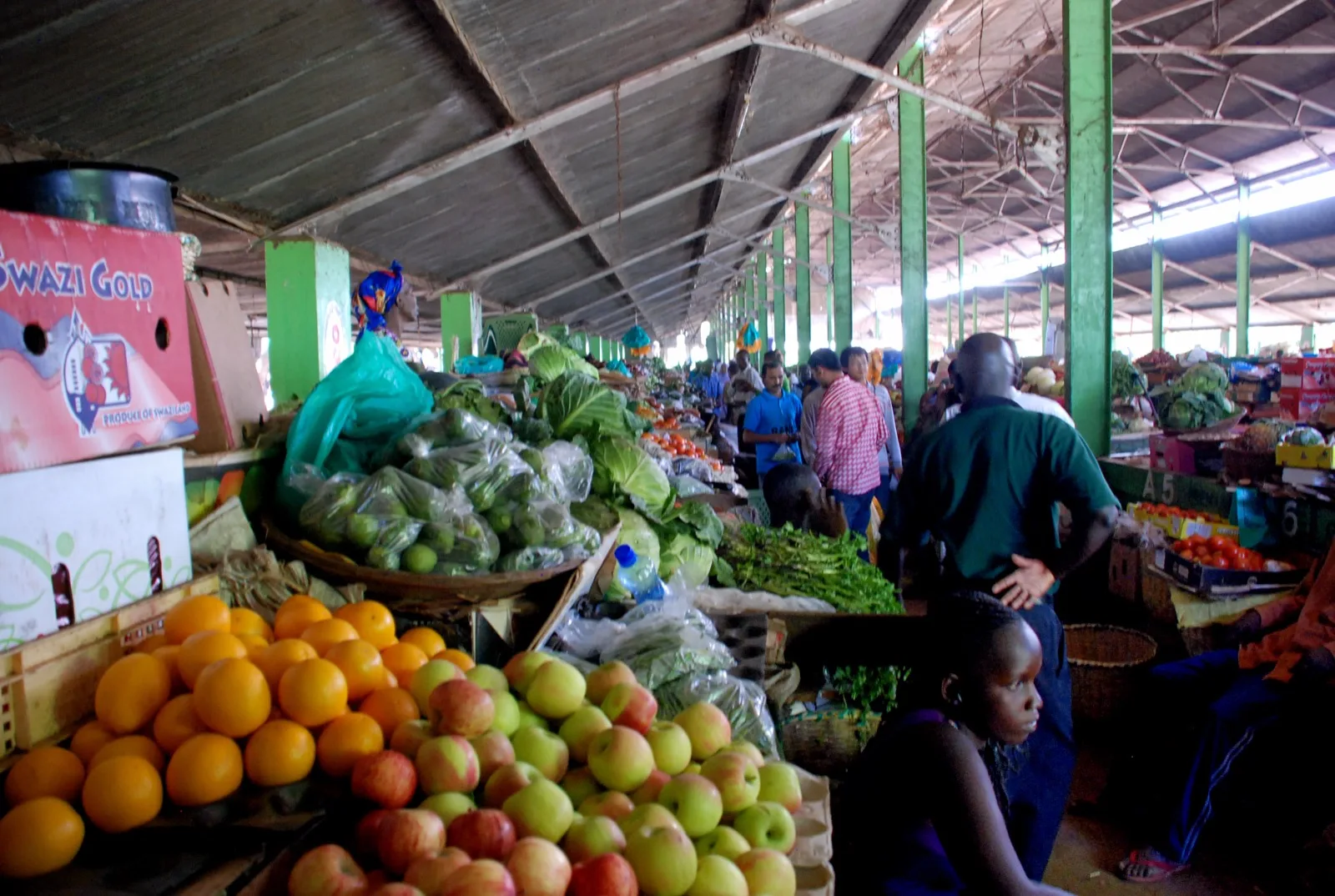
Kenya's collective investment scheme rules split one commercial job into three regulated ones, so the firm managing a fund never holds its assets. Here is how that custody separation works.

Every company on the Nairobi Securities Exchange must publish a breakdown of its own shareholder register each year. Here is what that obligation requires, and why the regulator imposes it.
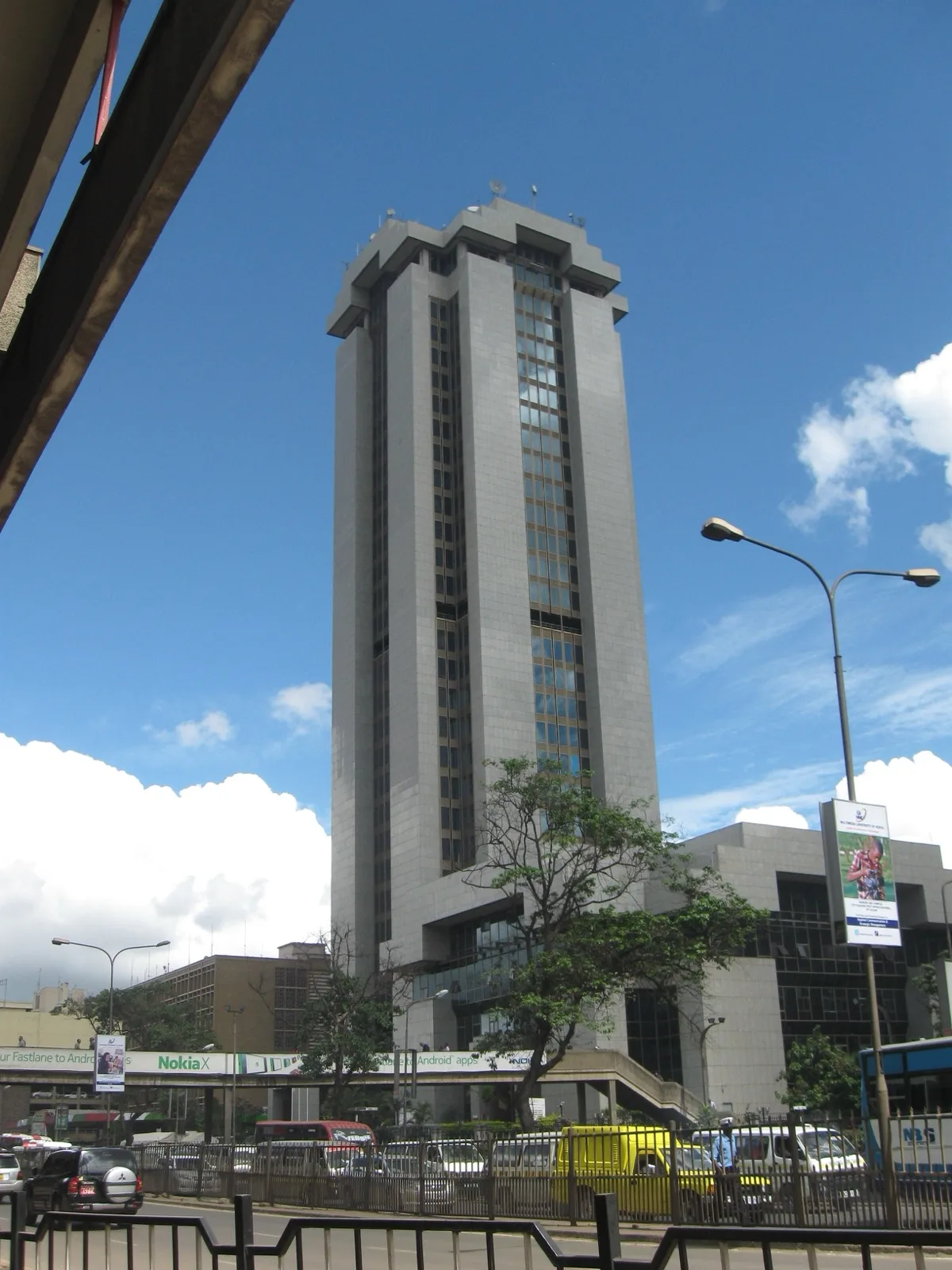
A look at how the Nairobi Securities Exchange's automated price limits and trading halts work to slow extreme intraday swings in individual stocks, without predicting where prices will settle.

Kenya's junior listing tier admits young companies to the Nairobi Securities Exchange without a long profit record. In place of that history sits a licensed firm that must vouch for them, and stay on.
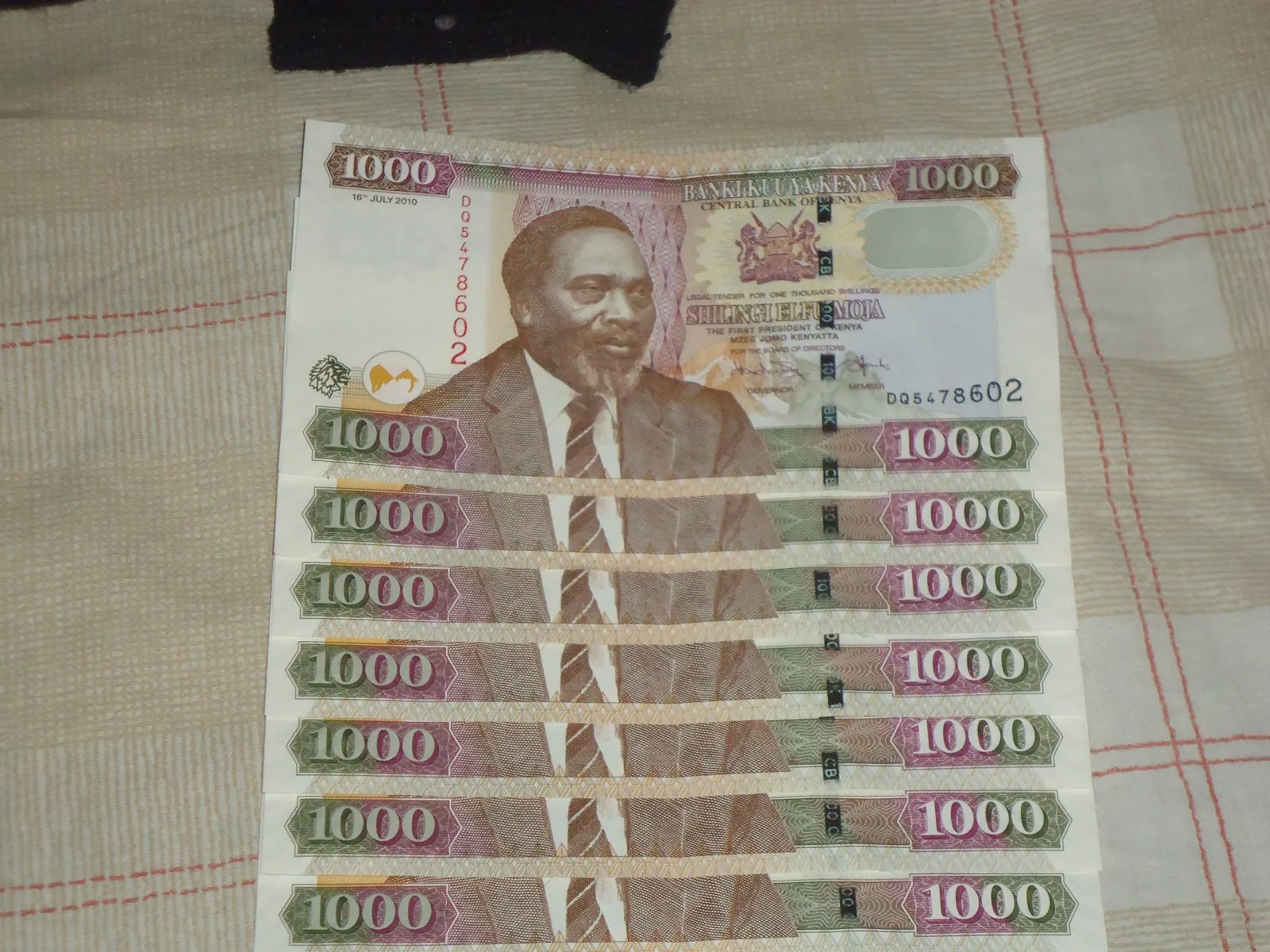
Long before annual results are published, Kenyan law can force a listed company to admit its earnings are about to fall. Here is how that rule works and why it exists.
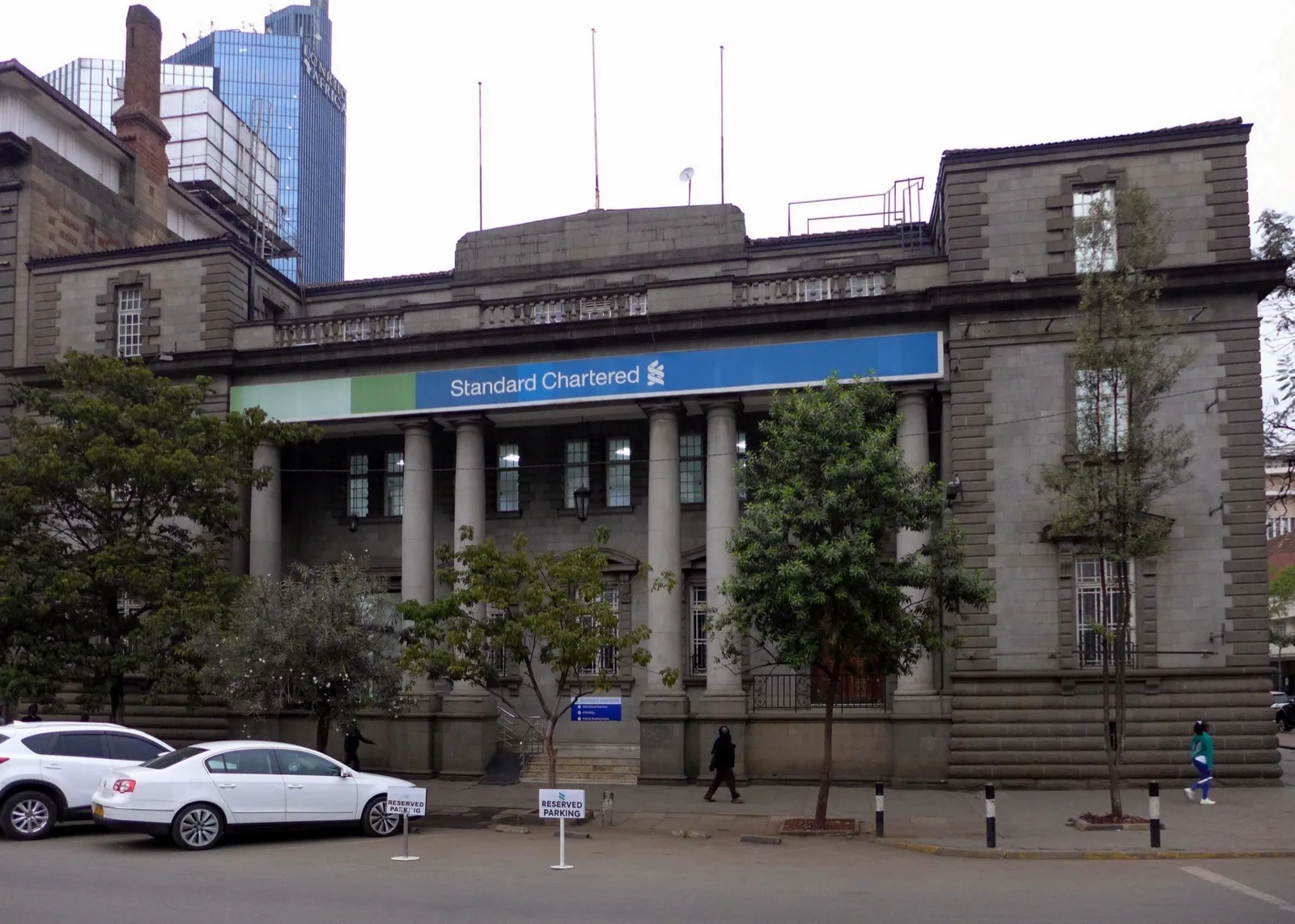
Kenyan corporate bond issues appoint an independent trustee under a trust deed. Here is how covenant testing, compliance certificates and acceleration actually work.
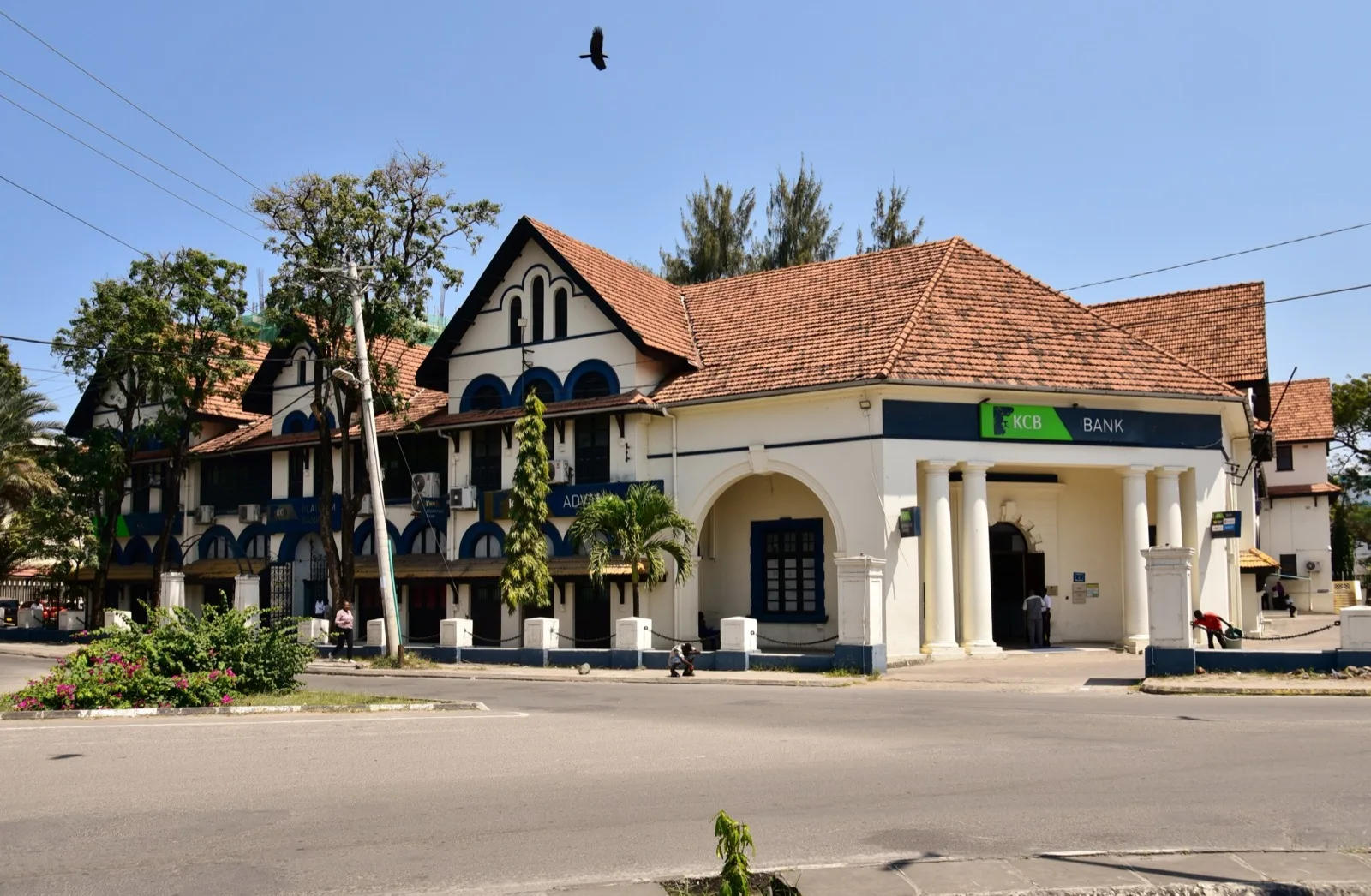
How Kenya's Capital Markets Authority licenses stockbrokers and investment banks on the Nairobi Securities Exchange, and how the Investor Compensation Fund is designed to reimburse clients if one fails.
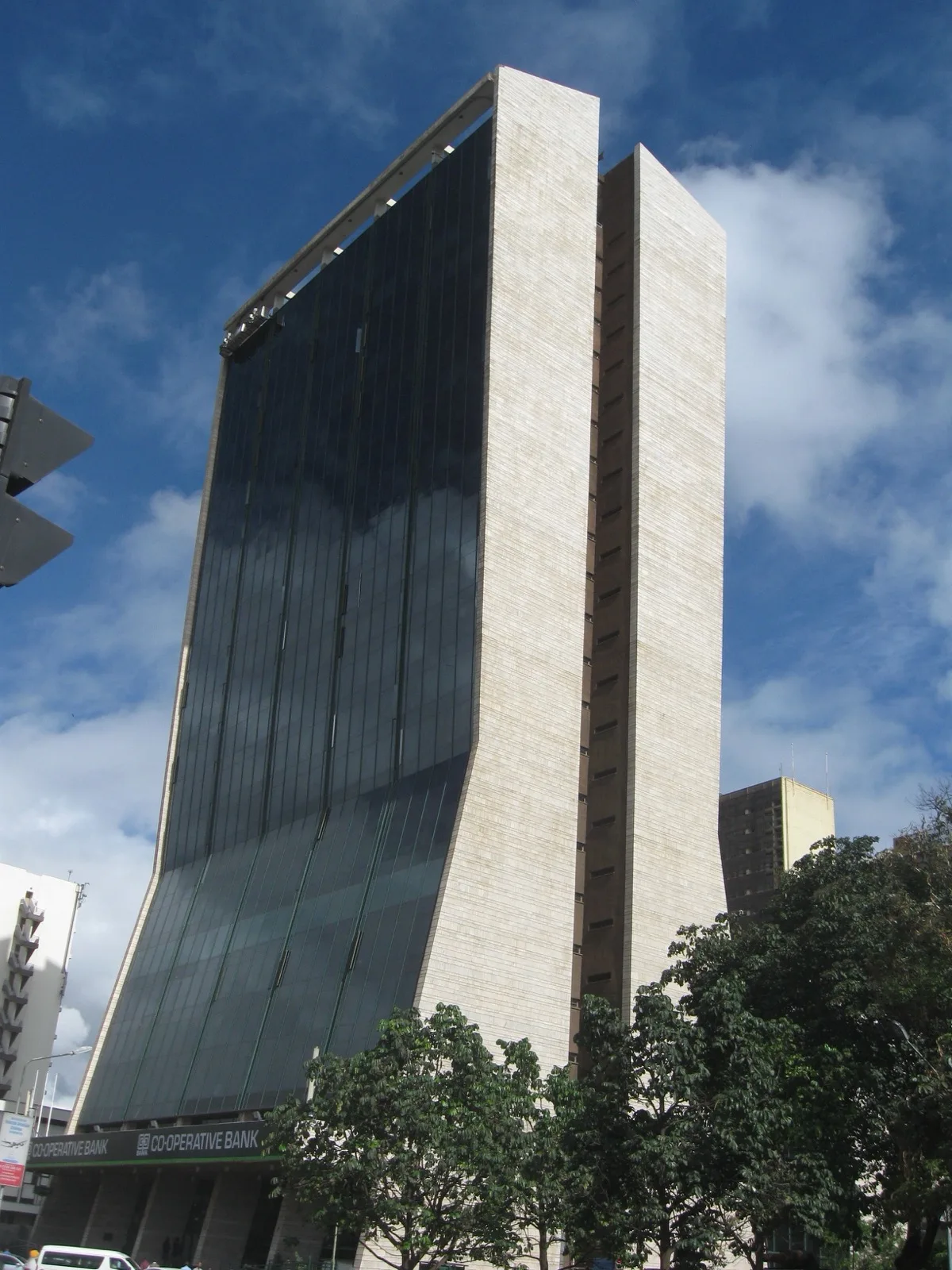
A switch auction lets holders exchange a near-maturity Kenyan Treasury bond for a longer-dated one with no cash repayment. Here is how the exchange is priced and why the Treasury runs them.

How some retail government bonds let savers subscribe, hold and collect interest entirely through mobile money, bypassing stockbrokers and depository accounts altogether.

Before continuous trading begins, the NSE gathers orders in a pre-open window and uncrosses them into one opening price. Here is how that auction, and the order book that follows, actually work.
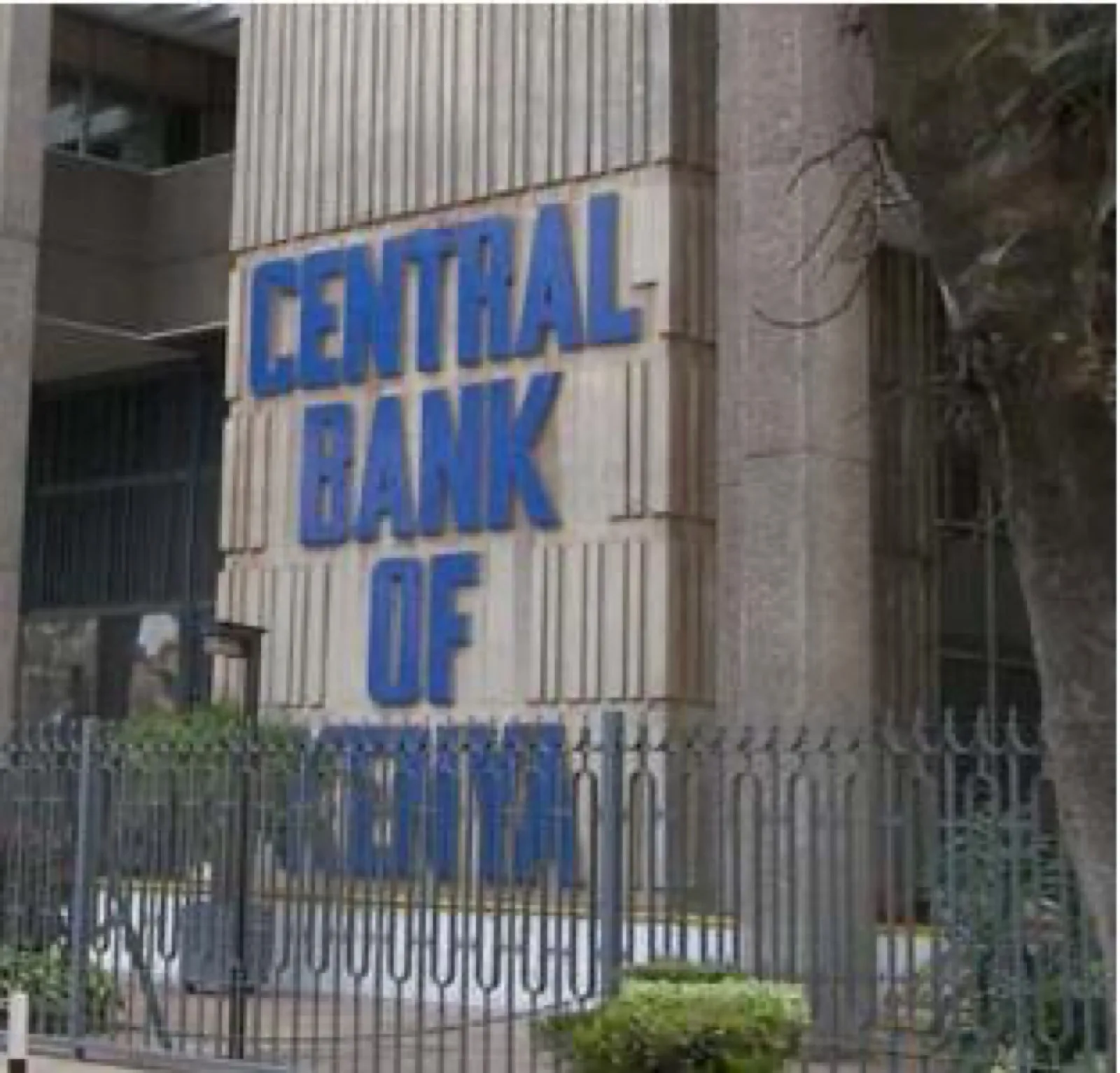
How the Central Depository and Settlement Corporation turns Nairobi Securities Exchange shares into electronic book entries, and what actually happens to shares and cash during Kenya's three day settlement cycle.

A look at the tranche system, pro-rata scaling and bookbuilding rules that decide how many shares each type of investor gets in a Nairobi Securities Exchange listing.

Every bond auction produces a "market clearing rate" that most bidders never actually get. Here is the mechanics behind bidding, allotment and pricing in a typical Treasury bond sale.

A look at how the Nairobi Securities Exchange processes rights issues procedurally, and how the renounceable rights themselves get bought and sold before they expire.