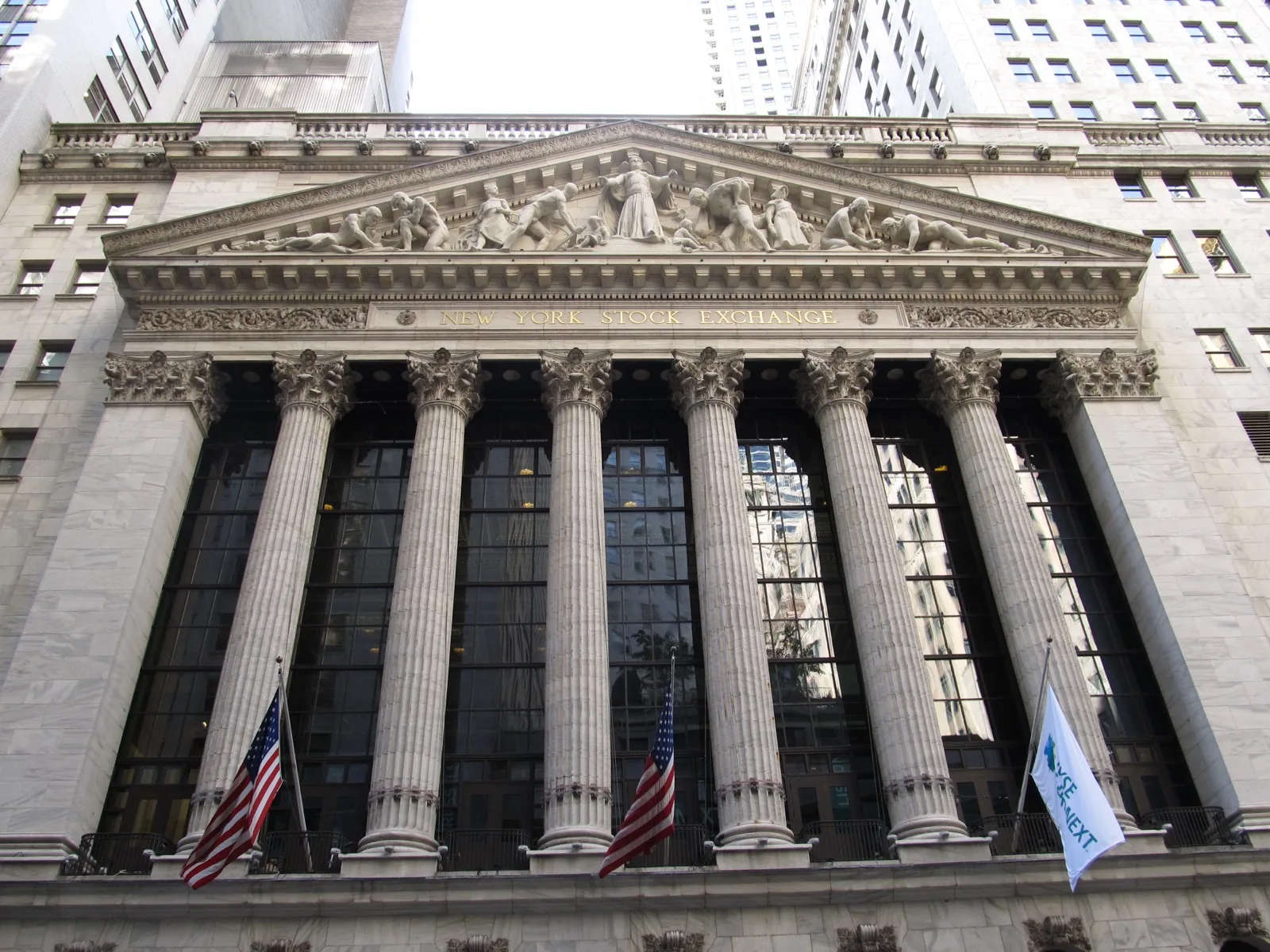
Editor’s note: This is an educational explainer about how SPAC mergers and traditional IPOs generally work as routes to a public listing. It is general information, not investment advice, and does not describe any specific current event, company, or security.
A company can end up trading on a stock exchange in two ways that, to an outside observer glancing at a ticker symbol on day one, look identical. Yet one route can take a company from private boardroom to public listing in a matter of months, while the other typically takes the better part of a year or more of preparation. What separates them is not the exchange, the ticker, or even the investors. It is the entire architecture of how the deal gets built, reviewed, and disclosed to the public.
Two different starting points
A traditional initial public offering begins with an operating company that decides to sell shares to the public for the first time. It hires underwriters, usually investment banks, who help draft a registration statement, most commonly an S-1 filing in the United States or its equivalent under other regulators such as the UK’s Financial Conduct Authority or SEBI in India. That document lays out years of audited financials, risk factors, management biographies, and business strategy. Regulators review and comment on drafts, often over several rounds, before the company can proceed. Only once that review is substantially complete does the company and its underwriters go on a roadshow to gauge investor demand and set a price, at which point new shares are sold directly to institutional and, in many markets, retail investors.
A SPAC merger works backwards from that sequence. A special purpose acquisition company is itself a shell corporation that already completed its own IPO, raising cash from investors with no operating business attached, only a mandate to find and merge with a private company within a set period, commonly two years. When that shell identifies a target, the private company does not conduct its own IPO. Instead, it merges into the already-public shell through a transaction usually called a “de-SPAC,” and the private company’s shareholders receive stock in the newly combined public entity. The company effectively becomes public by merging with something that was already listed, rather than by listing itself from scratch.
Disclosure follows a different track
Because a traditional IPO is a direct securities offering, it is governed by strict prospectus liability rules that hold underwriters and the company accountable for the accuracy of forward-looking statements as well as historical facts. That legal exposure is one reason IPO prospectuses tend to be conservative about projecting future growth.
A de-SPAC merger is structured instead as a business combination, disclosed through a merger proxy statement or a combined proxy and registration statement, depending on the jurisdiction and structure. Historically this route allowed companies to include more detailed financial projections under safe harbor provisions that apply to mergers but not to traditional securities offerings. Regulators in several major markets have since tightened these rules, requiring disclosure closer in spirit to what an IPO prospectus would demand, narrowing but not eliminating the gap between the two disclosure regimes.
Why the clocks run at different speeds
The timeline difference stems directly from these structural choices. An IPO’s timeline is dictated by regulatory review of a brand-new registration statement covering a business that has never before been vetted by that regulator, plus the need to build investor demand from a standing start. This routinely spans six months to well over a year.
A SPAC merger can move faster in principle because the shell company is already public and its cash is already sitting in trust. The core work is negotiating the merger terms and preparing proxy disclosure for a shareholder vote, rather than building an offering from nothing. In practice, though, de-SPAC timelines have often stretched out as regulatory scrutiny increased and as SPAC shareholders gained more opportunity to redeem their shares for cash before a deal closes, a feature unique to this structure that has no real parallel in a conventional IPO.
Both paths end with shares trading on a public exchange, but the road each company travels, and the protections investors receive along the way, differ enough that treating the two as interchangeable would miss much of what actually separates them.