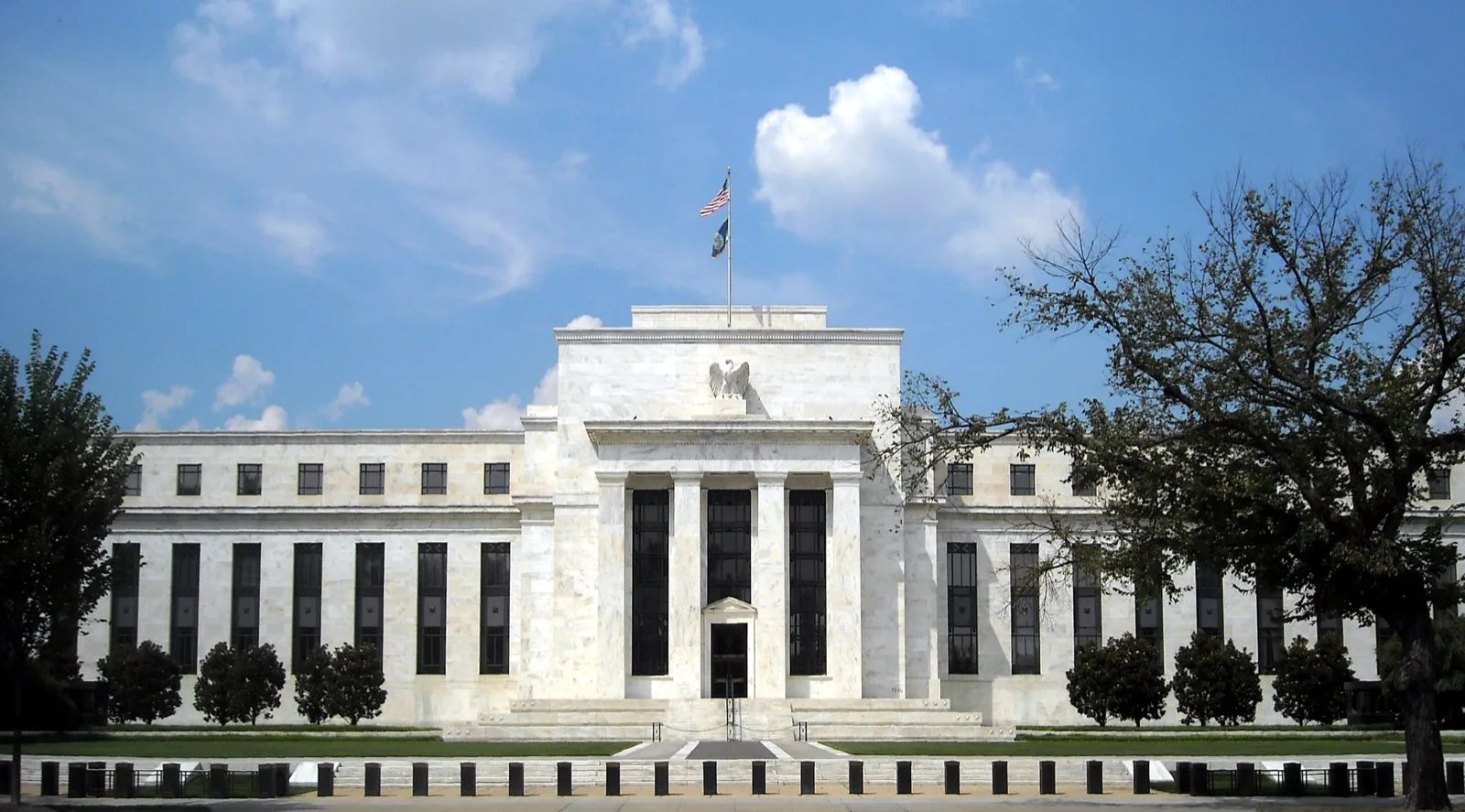
Editor’s note: This is general educational information about the mechanics and regulation of short selling in US equities. It is not investment advice. It relies on the SEC and FINRA materials listed at the end.
Analysis: the rules police delivery, not conviction
Read together, the US regime makes an unusual choice. It does not restrict who may be short or how short they may be. It restricts whether the stock arrives. The locate, the close-out deadline, the pre-borrow penalty and the threshold list are all delivery mechanics, and the one genuine price restriction, Rule 201, is triggered by a 10 percent decline that the short seller may have had nothing to do with.
That design has a consequence a careful reader should hold onto: a fail to deliver is not evidence of abusive shorting, and the Commission says so directly, listing legitimate causes including processing delays on physical certificates and market makers filling customer demand in illiquid stock. A security can sit on a threshold list because new fails from long sales keep replacing closed-out ones.
The reporting timetable is the other thing worth weighing. FINRA’s short interest data arrives on a settlement-date cycle measured in business days, while Form SHO aggregates arrive a month after the month they describe. Both are snapshots of positions, not of intent, and neither shows the borrow cost that determines whether a short position is economically survivable. A reader trying to understand pressure in a specific name has the fails data, the threshold list and the reported short interest, and does not have the securities lending rate. The gap between those two sets is where most of the disagreement about short selling actually lives.
What the documents say
Selling something you do not own only works if someone will lend it to you and if you can hand it over on time. Everything difficult about short selling follows from those two conditions, and almost every US rule on the subject is aimed at one or the other. The trade itself is trivial to describe. The obligations attached to it are where the money and the risk sit.
Before the sale: the locate
A broker-dealer cannot simply route a short sale order. Rules 203(b)(1) and (2) of Regulation SHO require the firm to have reasonable grounds to believe the security can be borrowed so that it can be delivered on the date delivery is due, and that determination, the locate, must be made and documented before the short sale is effected.
A locate is not a borrow. It is a reasoned belief that stock will be available, and the SEC’s own description of the regime acknowledges the gap: because the locate is done before settlement, “the stock may not be available from the source at the time of settlement, possibly resulting in a fail.”
One category of trader is excused from the locate. Broker-dealers engaged in bona fide market making are excepted, because their obligation to quote both sides continuously can force them to sell when there is nothing to borrow. The exception is narrow. It does not cover activity related to speculative selling strategies or the firm’s own investment purposes, activity disproportionate to the firm’s usual market making in that security, or a market maker that posts continually at or near the best offer without also posting at or near the best bid. It also does not cover an arrangement under which a market maker lends its exception to another broker-dealer or a customer.
After the sale: delivery, fails, and a forced buy-in
Regulation SHO became effective on January 3, 2005. The close-out engine that matters day to day is Rule 204, adopted with an effective date of July 31, 2009 after running as a temporary rule.
Rule 204 requires a participant of a registered clearing agency to deliver securities for clearance and settlement by settlement date, or else to close out the fail by borrowing or purchasing securities of like kind and quantity no later than the beginning of regular trading hours on the settlement day following the settlement date. Regular trading hours here carries its Regulation NMS meaning: between 9:30 a.m. and 4:00 p.m. Eastern Time. Fails a participant can demonstrate resulted from a long sale, or that are attributable to bona fide market making, get until the beginning of regular trading hours on the third consecutive settlement day following the settlement date. Sales of securities the seller is deemed to own but cannot yet deliver, such as stock subject to the resale restrictions of Rule 144 under the Securities Act of 1933, get up to 35 calendar days from the trade date.
Miss the deadline and the penalty is not a fine but a capability. The firm, and any broker-dealer for which it clears, may not effect further short sales in that security without borrowing or entering into a bona fide agreement to borrow, the pre-borrow requirement, until the closing purchase clears and settles. Market makers are not excepted from close-out or pre-borrow, only from the locate.
Above that sits the older threshold securities machinery in Rule 203(b)(3). A threshold security is one with an aggregate fail to deliver position at a registered clearing agency for five consecutive settlement days, totaling 10,000 shares or more, and equal to at least 0.5% of the issuer’s total shares outstanding. If a participant’s fails in such a security persist for 13 consecutive settlement days, it must immediately purchase shares to close out. The Commission is explicit that appearance on a threshold list “should not be interpreted as connoting anything negative about the particular issuer”, since delivery failures arise from long sales too. FINRA Rule 4320 extends threshold close-out duties to non-reporting securities.
The Commission has tightened this repeatedly. The grandfather provision was eliminated effective October 15, 2007, with a phase-in period that ended on December 5, 2007. The options market maker exception went in 2008. On September 17, 2008 the Commission adopted Rule 10b-21, the anti-fraud rule aimed at sellers who deceive about their intention or ability to deliver.
The price test and the reporting trail
In 2010 the Commission adopted Rule 201, a circuit breaker rather than a permanent uptick rule. When a stock experiences a price decline of at least 10 percent in one day, trading centers must prevent the execution or display of a short sale at an impermissible price for the remainder of that day and the following day, subject to exceptions. The stated purpose is to stop short selling from driving the price down further and to let long sellers sell first into the decline.
Short positions are visible through two separate channels. FINRA Rule 4560 requires members to record and report all gross short positions in every firm and customer account, with reports received by FINRA no later than the second business day after the designated reporting settlement date. Underwriter over-allotment sales and lay-off sales in a rights distribution or standby commitment are carved out, as are sales by a person who owns the security and intends to deliver it promptly.
The second channel is newer and aimed at managers rather than brokers. Rule 13f-2 and Form SHO require an institutional investment manager to report monthly where, for a reporting company issuer, it meets or exceeds either a monthly average of daily gross short positions with a US dollar value of $10 million or more, or a monthly average of daily gross short positions equal to 2.5 percent or more of shares outstanding. For a non-reporting company issuer the trigger is a gross short position of $500,000 or more at the close of regular trading hours on any settlement date in the month. Filings go to EDGAR within 14 calendar days after month end, and the Commission publishes aggregated figures across all reporting managers within one month after the end of the calendar month.